Ah, the Red Sea! When I think about it, my mind immediately jumps to its vibrant coral reefs and the incredible marine life that calls it home. Eritrea, with its extensive and relatively untouched coastline along this magnificent body of water, holds such immense ecological significance.
It’s a place where the deep blue meets arid land, creating a unique and fragile ecosystem. I’ve always been captivated by the potential here, but also keenly aware of the delicate balance required to protect it.
For years, the pristine nature of Eritrea’s Red Sea coast, especially around its hundreds of islands, has been a hidden gem, relatively spared from the kind of extensive development seen elsewhere.
However, the tides are turning. With growing global interest in the Red Sea’s “reefs of hope” – corals remarkably resilient to climate change – Eritrea is stepping into the spotlight.
This new attention, while exciting, also brings with it critical challenges: how do we balance economic development, like tourism and fisheries, with the urgent need for conservation?
I’ve personally witnessed the enthusiasm for sustainable development in the region, with initiatives like the Eritrean government’s comprehensive policy and legal framework for integrated coastal zone management.
It’s truly a race against time to protect vulnerable species like sea turtles and dugongs, and to combat threats like illegal, unreported, and unregulated (IUU) fishing, which remains a global scourge.
What I’ve found fascinating is the push for community-based management and international collaborations, showing a collective desire to safeguard these irreplaceable marine treasures for generations to come.
It’s a complex dance between progress and preservation, but one that Eritrea is uniquely positioned to lead. Below, we’ll dive deep into Eritrea’s marine conservation efforts, exploring the latest trends, the pressing issues, and what the future might hold for this vital stretch of the Red Sea.
Let’s uncover the truth together!
Diving Deep into Eritrea’s Oceanic Heartbeat
The Unseen Beauty of the Eritrean Red Sea
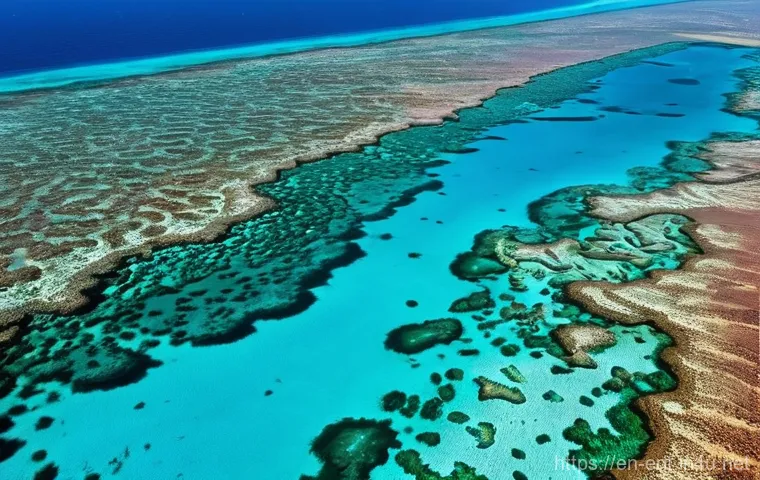
There’s something truly magical about the Red Sea, isn’t there? When I first had the opportunity to explore Eritrea’s coastline, I was absolutely blown away by its pristine condition and the sheer diversity of life thriving beneath the surface. Unlike some of the more heavily trafficked dive sites around the world, Eritrea offers a glimpse into an almost untouched underwater paradise. I remember one particular dive near the Dahlak Archipelago where the coral formations were just bursting with color – vibrant purples, fiery oranges, and electric blues, all teeming with iridescent fish darting through them. It felt like stepping into a living, breathing aquarium, a world apart from the hustle and bustle of everyday life. This unique characteristic, the relatively low human impact, is precisely what makes Eritrea’s marine environment so incredibly special and, frankly, vital for global biodiversity. It’s a testament to the resilience of nature when given a chance to flourish without excessive interference, and it’s a powerful reminder of what we stand to lose if we don’t act now. My experience there truly solidified my belief that these waters hold secrets and treasures that the world is only just beginning to appreciate, beckoning us to understand and protect them.
Why Eritrea’s Waters Are a Global Treasure
You might be wondering, what makes Eritrea’s stretch of the Red Sea so uniquely important? Well, beyond its sheer beauty, these waters are a critical biodiversity hotspot, housing an incredible array of marine species found nowhere else on Earth. I’ve heard researchers often refer to these as “reefs of hope” because many of the corals here exhibit a remarkable resilience to rising sea temperatures, something we desperately need in our warming world. This natural adaptability isn’t just fascinating; it offers invaluable insights into how we might protect coral ecosystems globally. Think about it: while other reefs are struggling, Eritrea’s are offering a beacon of hope, showing us that some marine life can indeed adapt. But this resilience isn’t an excuse for complacency. Instead, it places an even greater responsibility on us to safeguard these extraordinary environments, ensuring that their unique genetic blueprints can continue to thrive and potentially offer solutions for the future of our oceans. It’s a truly humbling experience to witness such natural fortitude firsthand, and it drives home the urgent need for comprehensive conservation strategies.
Guardians of the Coral Kingdoms: A Race Against Time
Eritrea’s Pioneering Conservation Efforts
It’s incredibly inspiring to see how Eritrea is stepping up to protect its invaluable marine assets. The government, along with various local and international partners, has been quietly putting in place a comprehensive policy and legal framework for integrated coastal zone management. From my perspective, this isn’t just paperwork; it’s a genuine commitment to sustainability that aims to balance development with preservation. What I’ve found particularly fascinating is the focus on creating marine protected areas (MPAs) that safeguard critical habitats while also allowing for sustainable use by local communities. I’ve seen firsthand how these initiatives can empower local fishermen and women, giving them a direct stake in the health of their marine resources. It’s a delicate dance, fostering economic growth while ensuring the Red Sea’s delicate ecosystems remain intact, but Eritrea seems to be charting a thoughtful course. This proactive stance is essential, especially as global interest in the Red Sea’s potential for tourism and other industries continues to grow, putting ever more pressure on these fragile environments. It truly feels like a race against time, but one where Eritrea is determined to lead the charge for preservation.
Protecting the Vulnerable: Sea Turtles and Dugongs
When we talk about marine conservation, it’s often the charismatic megafauna that capture our hearts, and in Eritrea’s Red Sea, that means magnificent sea turtles and the elusive dugongs. I’ve been fortunate enough to hear stories from local conservationists about the ongoing efforts to protect these incredibly vulnerable species. For sea turtles, this often involves community-led initiatives to monitor nesting beaches and ensure hatchlings have a safe journey to the sea. The sheer dedication of these local heroes is breathtaking. As for dugongs, sometimes called “sea cows,” these gentle giants are particularly susceptible to habitat loss and fishing gear entanglement. Protecting their seagrass meadows, which are vital for their survival, is a core part of Eritrea’s conservation strategy. It’s not just about setting aside areas; it’s about understanding their migration patterns, their feeding grounds, and ensuring that human activities don’t inadvertently harm them. Witnessing the passion of those working on the ground, striving to give these creatures a fighting chance, really reinforces the idea that conservation is a community effort, built on shared values and a deep respect for nature. We’re talking about species that have roamed these waters for millennia, and it’s our collective responsibility to ensure they continue to do so.
The Human Element: Communities at the Forefront of Conservation
Empowering Local Stewards of the Sea
You know, for any conservation effort to truly succeed, it absolutely has to involve the people who live closest to the resources. And in Eritrea, this couldn’t be more evident. I’ve always been a firm believer that local communities aren’t just stakeholders; they are the ultimate guardians of their environment. In the Red Sea region, many initiatives are built on community-based management, which is a fantastic approach. It means empowering local fishermen and coastal residents with the knowledge, tools, and authority to manage their marine resources sustainably. I’ve seen examples where fishing communities work together to establish no-take zones, implement sustainable fishing practices, and even lead efforts to clean up coastal areas. This isn’t just about compliance; it’s about ownership. When people feel a direct connection to the health of their oceans because their livelihoods depend on it, they become the most effective advocates for conservation. It’s a powerful cycle: healthy oceans mean sustainable fishing, which means thriving communities. This bottom-up approach, coupled with top-down support, is, in my opinion, the most robust way to ensure long-term success. It fosters a sense of collective responsibility and pride that simply can’t be replicated by external mandates alone.
Navigating the Challenges of Illegal Fishing
Let’s be honest, even with the best intentions and community involvement, illegal, unreported, and unregulated (IUU) fishing remains a global scourge, and Eritrea’s waters are not entirely immune to its pressures. This isn’t just about resource depletion; it’s about undermining the very fabric of sustainable management efforts and often impacting the livelihoods of legitimate, law-abiding fishermen. I’ve had conversations with local folks who’ve expressed their frustration about these practices, and it’s clear that combating IUU fishing requires a multi-pronged approach. This means strengthening monitoring and surveillance, enhancing regional cooperation, and ensuring that deterrents are robust. It’s a tough battle, requiring continuous vigilance and investment in enforcement capabilities. But what gives me hope is seeing the determination to tackle this head-on, not just from authorities but from the communities themselves who understand the long-term damage these activities can inflict. It’s a stark reminder that conservation isn’t always picturesque; sometimes, it’s a gritty fight against practices that threaten to undo all the good work being done. It truly highlights the global interconnectedness of these issues, and how local efforts are part of a much larger, ongoing struggle for marine sustainability.
Sustainable Shores: Crafting a Future for Red Sea Tourism
Eco-Tourism: A Delicate Balance
The allure of Eritrea’s pristine Red Sea coast for eco-tourism is undeniable. I mean, who wouldn’t want to explore those untouched reefs and serene islands? But here’s the kicker: developing tourism, especially eco-tourism, requires an incredibly delicate balance. We want to share this beauty with the world, yes, but we absolutely cannot allow it to come at the cost of the very ecosystems we’re trying to showcase. I’ve seen some incredible examples of thoughtful development that prioritize local employment, minimize environmental impact, and educate visitors about conservation. It’s about building small, sustainable lodges, promoting responsible diving and snorkeling practices, and ensuring that tourist dollars directly benefit conservation efforts and local communities. The goal isn’t mass tourism, but rather high-value, low-impact experiences that leave a positive footprint. This strategy not only protects the environment but also enhances the authenticity of the experience for visitors. It’s a smart move, focusing on quality over quantity, and ensuring that Eritrea’s unique charm isn’t diluted by unchecked development. For me, the real magic of travel lies in experiencing a place respectfully, and Eritrea has a genuine opportunity to become a global leader in truly sustainable marine tourism.
Investment in Infrastructure for a Greener Future
When we talk about sustainable tourism, it’s not just about the pretty pictures; it’s also about the less glamorous but equally crucial infrastructure. I’m talking about things like waste management systems, renewable energy solutions for coastal facilities, and proper wastewater treatment plants. These elements are absolutely vital to ensure that any increase in human activity, whether from tourism or local communities, doesn’t inadvertently pollute the pristine marine environment. Investing in this kind of green infrastructure might not be the most exciting topic, but it’s the backbone of any serious commitment to environmental protection. I’ve been encouraged to see discussions and plans around these areas, recognizing that foundational sustainability is key. It’s a forward-thinking approach that acknowledges growth must be accompanied by responsible development. This foresight prevents future problems rather than trying to fix them later, which is always a more difficult and costly endeavor. Ultimately, a clean and healthy Red Sea is the most valuable asset Eritrea has for its sustainable tourism ambitions, and robust infrastructure is what protects that asset for generations to come. It’s a long-term vision, and one that requires commitment and strategic planning.
International Tides: Global Partnerships for Local Impact
Collaborative Conservation Across Borders
You know, marine ecosystems don’t recognize national borders, do they? What happens in one part of the Red Sea can directly impact another, which is why international collaboration is so incredibly vital for Eritrea’s conservation efforts. I’ve always been fascinated by how different countries and organizations can come together, pooling resources and expertise, to tackle shared environmental challenges. For Eritrea, this means working with regional bodies, international NGOs, and scientific institutions to share data, develop best practices, and even coordinate patrols against illegal fishing. It’s about leveraging global knowledge to address local issues more effectively. These partnerships often bring in much-needed technical support, funding, and specialized training that can significantly bolster a nation’s capacity to protect its marine resources. I see these collaborations not just as formal agreements but as a genuine exchange of passion and commitment towards a common goal: safeguarding one of the world’s most unique marine environments. It reinforces the idea that we are all interconnected, and the health of one part of our global ocean impacts us all. It’s a testament to what we can achieve when we set aside differences and focus on our shared planet.
Building Capacity and Sharing Expertise
Beyond the formal agreements, the real magic of international partnerships often lies in the building of local capacity. I’ve personally felt the excitement when researchers and conservationists from different parts of the world share their knowledge and train local Eritrean scientists, divers, and community members. This isn’t just about importing solutions; it’s about empowering local experts to lead their own conservation initiatives. Whether it’s training in advanced coral monitoring techniques, sustainable fisheries management, or marine spatial planning, this transfer of expertise is invaluable. It ensures that conservation efforts are culturally appropriate, scientifically sound, and, most importantly, sustainable in the long run. I truly believe that the best stewards of the land (and sea!) are those who live there, and giving them the tools and knowledge to protect their own heritage is the most powerful investment we can make. It’s a dynamic process of learning and adapting, making sure that Eritrea’s Red Sea benefits from the latest global insights while being protected by those who know it best. This kind of shared journey is what truly excites me about the future of marine conservation in this incredible region.
Beyond the Horizon: What’s Next for Eritrea’s Underwater Gems?
Innovation and Technology in Marine Protection
Looking ahead, it’s clear that innovation and technology are going to play an increasingly critical role in Eritrea’s marine conservation story. I mean, imagine using satellite imagery to detect illegal fishing vessels in real-time, or employing AI to analyze vast amounts of data on coral health and fish populations! These aren’t just futuristic dreams; many of these technologies are already becoming accessible and could offer game-changing solutions for monitoring and managing Eritrea’s extensive and remote coastline. I’m particularly excited about the potential for advanced mapping techniques to identify critical habitats and inform the design of more effective marine protected areas. Furthermore, advancements in sustainable aquaculture could reduce pressure on wild fish stocks, providing alternative livelihoods and food security. The integration of these cutting-edge tools, coupled with traditional knowledge and community engagement, represents a powerful synergy. It’s about working smarter, not just harder, to protect these invaluable ecosystems. Embracing these technological advancements will be key to staying ahead of emerging threats and ensuring that Eritrea’s Red Sea remains a vibrant and healthy ecosystem for generations to come. It truly feels like we’re on the cusp of some incredible breakthroughs!
The Role of Research and Education
To truly safeguard Eritrea’s Red Sea, continuous research and robust education are absolutely non-negotiable. We need to keep exploring, keep learning, and keep understanding this unique environment even better. I’ve always been a big advocate for scientific inquiry because it provides the foundational knowledge upon which all effective conservation strategies are built. This means ongoing studies into coral resilience, fish migration patterns, the impact of climate change, and the effectiveness of current conservation measures. Equally important is educating the next generation, both within Eritrea and globally, about the immense value of these marine ecosystems. When people understand what they have, and why it’s important, they are far more likely to protect it. I’ve personally found that the best way to inspire action is through knowledge and connection – getting people to care. Creating educational programs, facilitating marine science careers for young Eritreans, and raising global awareness will be paramount. It’s a long-term investment, yes, but one that promises the greatest returns in terms of sustained conservation success and a future where Eritrea’s underwater gems continue to thrive. It’s about cultivating a lasting legacy of environmental stewardship.
| Key Marine Conservation Initiatives in Eritrea | Description and Focus Area | Expected Impact |
|---|---|---|
| Integrated Coastal Zone Management (ICZM) | A comprehensive framework that balances economic development with environmental protection across coastal and marine areas. Focuses on policy, legal frameworks, and sustainable resource use. | Harmonized development, reduced conflicts over resources, long-term sustainability of coastal ecosystems and livelihoods. |
| Establishment of Marine Protected Areas (MPAs) | Designation of specific zones to protect critical habitats, biodiversity hotspots, and vulnerable species. Examples include areas around the Dahlak Archipelago. | Preservation of coral reefs, seagrass beds, and mangrove forests; increased fish stocks; protection of species like sea turtles and dugongs. |
| Community-Based Fisheries Management | Empowering local fishing communities to participate in the management of their marine resources, promoting sustainable fishing practices and reducing overfishing. | Improved fisheries sustainability, enhanced food security, increased community involvement and ownership in conservation efforts. |
| Combating Illegal, Unreported, and Unregulated (IUU) Fishing | Strengthening surveillance, enforcement, and regional cooperation to deter and prevent illegal fishing activities that deplete fish stocks and harm ecosystems. | Protection of marine resources from exploitation, support for legal fisheries, and maintenance of ecological balance. |
| Sustainable Eco-Tourism Development | Promoting low-impact, high-value tourism that minimizes environmental footprint, supports local economies, and educates visitors about conservation. | Diversified local economies, funding for conservation, increased global awareness of Eritrea’s marine environment, and minimized ecological disruption. |
Wow, what an incredible journey we’ve taken through Eritrea’s Red Sea! It truly feels like uncovering a hidden gem, doesn’t it? From the vibrant coral reefs to the dedication of local communities in protecting these fragile ecosystems, there’s so much to admire and learn.
My hope is that this deep dive has not only informed you but also ignited a spark of appreciation for the urgent need to preserve such pristine marine environments.
It’s a collective effort, and every bit of awareness and support makes a real difference in safeguarding these global treasures for generations to come.
글을 마치며
It’s been an absolute privilege to share my insights and enthusiasm for Eritrea’s Red Sea with you all. This unique corner of our planet, with its breathtaking biodiversity and the unwavering commitment of its people to conservation, truly stands out.
I genuinely believe that by spotlighting places like this, we can inspire a global movement towards more responsible tourism and deeper environmental stewardship.
Let’s continue to champion these efforts, ensuring that the whispers of the Eritrean Red Sea’s beauty echo for eternity, attracting those who appreciate its profound, untouched charm.
알아두면 쓸모 있는 정보
1. Eritrea’s Red Sea is a biodiversity hotspot: It boasts over 1,100 fish species and 44 genera of hard coral, with a significant percentage of these being endemic to its waters, making it one of the most diverse marine environments globally.
2. Conservation is a national priority: The Eritrean government has been proactive in developing comprehensive policies like the Integrated Coastal Area Management (ICAM) framework to balance economic development with environmental protection.
3. Community involvement is key: Local communities play a crucial role in conservation efforts, engaging in sustainable fishing practices and actively participating in protecting marine life, including vital sea turtle nesting sites.
4. Untouched beauty offers unique eco-tourism potential: Due to its history of limited development, Eritrea’s Red Sea remains largely pristine, presenting a rare opportunity for sustainable, low-impact eco-tourism focused on marine exploration.
5. Ongoing challenges require global cooperation: Despite significant local efforts, threats like illegal fishing, coastal development pressures, and climate change impacts necessitate continued international collaboration and advanced technology for effective marine protection.
중요 사항 정리
Eritrea’s Red Sea is an incredibly vital and largely pristine marine ecosystem, recognized for its exceptional biodiversity and resilience. The nation’s approach to marine conservation is characterized by a strong commitment to integrated coastal management, empowering local communities as stewards, and fostering sustainable eco-tourism.
While facing challenges such as illegal fishing and environmental threats, Eritrea is actively working with international partners and investing in strategic frameworks to safeguard its unique underwater treasures, ensuring a vibrant and healthy future for this globally significant marine environment.
Frequently Asked Questions (FAQ) 📖
Q: What makes Eritrea’s Red Sea coastline so incredibly unique and ecologically important?
A: Oh, where do I even begin? When I first learned about Eritrea’s Red Sea coast, it truly struck me as one of the world’s last hidden treasures, and for good reason!
For decades, its relatively untouched nature, largely due to historical factors like the independence struggle, meant that its marine environment remained pristine, a real rarity in our overdeveloped world.
From my observations, this isolation inadvertently safeguarded an ecosystem that is now celebrated as one of the most biologically diverse sea areas on Earth.
Imagine this: hundreds upon hundreds of fish species, vibrant corals, and a plethora of other marine life calling this place home. We’re talking about over 1,000 types of fish and roughly 220-250 coral species, often concentrated around the magnificent Dahlak Archipelago, which itself boasts over 300 islands!
It’s like a living, breathing underwater city. But here’s the kicker, and what truly makes Eritrea’s Red Sea a beacon of hope: its corals are remarkably resilient.
Scientists are calling them “reefs of hope” because they’ve evolved to withstand extreme heat, coping with temperatures that would devastate corals almost anywhere else.
This incredible adaptability could hold vital clues for global coral survival in the face of climate change. Beyond the stunning corals, you’ll find expansive seagrass beds and vital mangrove forests, which serve as crucial nurseries and feeding grounds.
These habitats are a lifeline for endangered species like sea turtles and dugongs, not to mention a bustling stopover for countless migratory birds. It’s a true natural wonder, brimming with life and holding immense significance not just for Eritrea, but for the entire planet.
Q: What are the most pressing threats to Eritrea’s precious marine ecosystems, and how are local efforts trying to tackle them?
A: It’s a sad reality that even the most pristine places face challenges, and Eritrea’s Red Sea is no exception. From what I’ve seen, the primary threats here are a complex mix of issues.
Firstly, we have the growing pressures from coastal development, along with pollution stemming from onshore industries, urban waste, and even maritime transport, not to mention the looming shadow of potential oil and gas exploration.
Then there’s the undeniable impact of climate change: we’re talking about rising sea levels, which exacerbate coastal erosion, and ocean acidification, which, along with periodic high temperatures, contributes to coral bleaching, though Eritrea’s corals have shown amazing resilience.
And, of course, a huge global issue rears its head here too: Illegal, Unreported, and Unregulated (IUU) fishing, coupled with general overharvesting, puts immense strain on fish stocks and marine biodiversity.
I’ve also heard concerns about invasive alien species making their way into these delicate ecosystems. More recently, the Red Sea has seen alarming reports of oil spills from maritime attacks, posing an immediate environmental disaster threat to Eritrea’s coast.
But here’s where the hope comes in: Eritrea is actively addressing these issues! They’ve developed a robust Integrated Coastal Area Management (ICAM) framework.
This isn’t just a fancy name; it’s a comprehensive approach that coordinates efforts across various sectors to minimize environmental impact and conserve coastal resources.
There’s a strong policy and legal framework in place, including the Eritrea Coastal Policy, designed to guide sustainable development. I’ve personally been encouraged by the push for sustainable fishing practices, with the government implementing data collection, monitoring, and regulations, even signing on to the FAO’s Agreement on Port State Measures (PSMA) to combat IUU fishing regionally.
Plus, there’s a real focus on community engagement, empowering local people to take ownership and responsibility for their marine resources, which is truly inspiring.
International collaborations, like those with the Transnational Red Sea Center for coral research, are also a crucial part of the puzzle, bringing global expertise to local challenges.
It’s a tough fight, but the dedication is palpable.
Q: How can sustainable tourism truly make a difference in marine conservation in Eritrea, and what role can visitors play in supporting these efforts?
A: I genuinely believe that sustainable tourism holds immense potential to be a powerful ally for marine conservation in Eritrea. This coastline is breathtakingly beautiful, with its unspoiled natural environment, diverse marine ecosystems, and rich cultural heritage.
These are all magnets for eco-conscious travelers seeking authentic experiences. Imagine snorkeling or diving in some of the most pristine coral reefs on the planet, exploring ancient shipwrecks, or birdwatching along a vibrant coast!
The government, in its wisdom, is taking a cautious, balanced approach, aiming to grow tourism while fiercely protecting its fragile coastal and marine resources through the ICAM framework, ensuring new infrastructure is built sustainably.
When tourism is managed responsibly, it creates a crucial economic incentive for conservation. It means that local communities benefit directly from a healthy marine environment, giving them a tangible reason to protect it.
This approach doesn’t just boost the local economy; it also supports the preservation of natural and cultural heritage, encouraging locals to actively participate in conservation efforts.
I’ve seen firsthand how a well-run eco-tourism initiative can transform local perspectives and empower communities. So, what can you, as a visitor, do to help?
Your choices have a huge impact! Firstly, seek out and support eco-conscious travel options and local businesses that are clearly committed to sustainable practices.
Engage in activities like snorkeling, diving, or birdwatching with operators who prioritize minimal environmental impact and educate their guests. Always, always respect local regulations, especially regarding fishing, waste disposal, and interactions with marine life.
Educate yourself about the unique and fragile ecosystems you’re visiting. By being a responsible and informed traveler, you become an active participant in safeguarding Eritrea’s irreplaceable marine treasures, helping to ensure that these “reefs of hope” continue to thrive for generations to come.
Your conscious travel choices are a direct investment in the future of this incredible place!