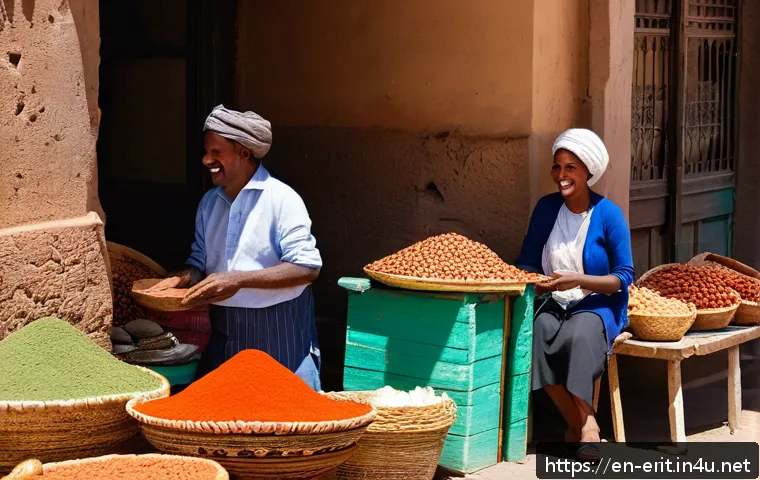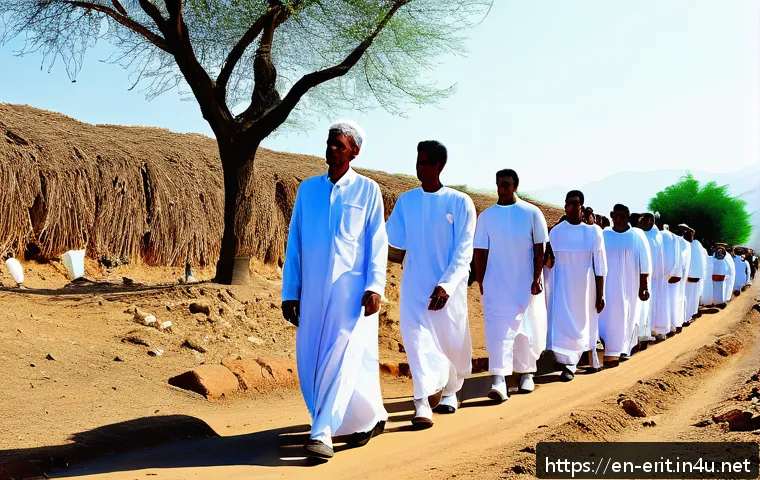
You know, sometimes we hear about countries facing incredible struggles, and it’s easy to feel a disconnect, to view them as distant problems. We might catch a headline or a quick news segment, but truly understanding the lived realities behind those stories—that’s a whole different journey.
Lately, I’ve found myself increasingly drawn to the narrative of Eritrea, a nation tucked away in the Horn of Africa, and what I’ve uncovered about its poverty challenges has truly opened my eyes.
It’s not just a simple issue you can fix with one solution; it’s a deeply complex tapestry woven with threads of historical conflict, environmental fragility, and intricate socio-economic policies that profoundly impact everyday life for its people.
Imagine a place where, even with breathtaking landscapes, a significant portion of the population wakes up each day facing food insecurity and economic hardship.
That’s the reality for many Eritreans, driven by factors ranging from heavy reliance on rain-fed agriculture in a drought-prone region to a constrained economic environment that limits private sector growth and opportunities.
It really makes you stop and think about the resilience of the human spirit amidst such persistent adversity, and how vital it is for us to shed light on these often-overlooked situations.
The ongoing struggles with debt, the challenges in accessing basic services like clean water and quality education, and the sheer number of people seeking refuge outside their homeland due to difficult conditions are all part of a story that demands our attention.
We’re going to pull back the curtain on this, exploring the underlying causes, the current landscape, and what the future might hold for this resilient nation.
It’s an essential conversation, and I’m ready to share every insight. Let’s explore this further.
The Enduring Echoes of Conflict
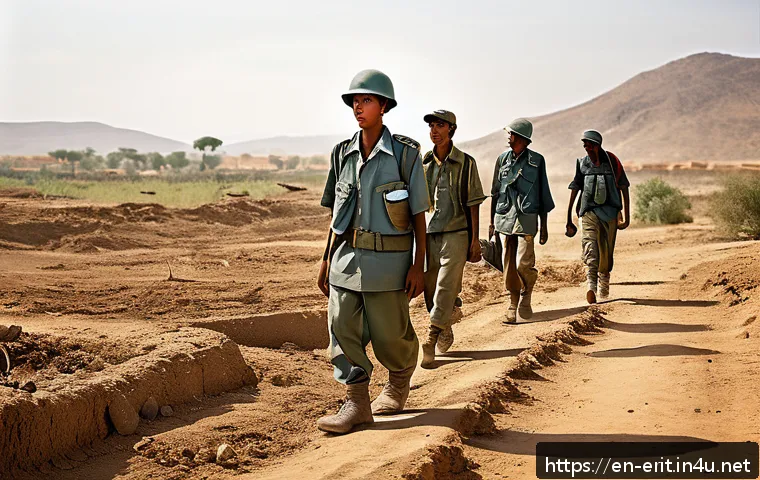
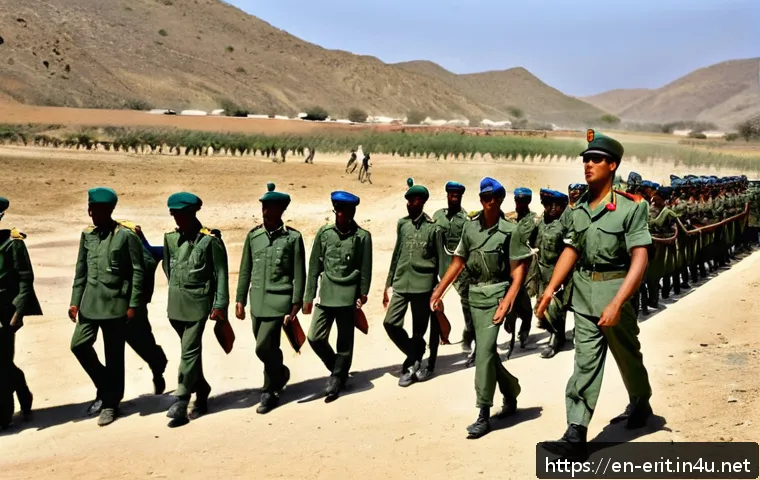
When I first started diving into Eritrea’s story, I quickly realized you can’t talk about its present challenges without looking back at its past. It’s truly eye-opening to see how decades of struggle, particularly the long war for independence and subsequent border conflicts, have fundamentally shaped the nation’s economic and social fabric.
Imagine a country that spent so much of its formative years engaged in intense conflict; the resources, the human capital, and the sheer mental energy diverted away from building robust infrastructure or developing a diverse economy.
This history isn’t just relegated to textbooks; you can still feel its weight in the national psyche and in the persistent challenges that everyday Eritreans face.
It’s like trying to build a new house on shifting sands – the foundation just isn’t as stable as it could be, making every subsequent challenge feel amplified.
I often find myself thinking about the incredible resilience required to not only survive such periods but to then attempt to forge a future amidst the lasting scars.
It’s a complex legacy that touches everything, from agricultural output to the availability of essential services, painting a vivid picture of how deeply conflict can entrench economic hardship.
The ripple effects are profound, impacting generations and creating a unique set of circumstances that demand a nuanced understanding.
A Legacy of Scars and Stalled Progress
I’ve learned that the sheer duration of Eritrea’s conflicts meant that national development often took a backseat to survival and defense. Think about it: instead of investing heavily in schools, hospitals, or modern agricultural techniques, resources were necessarily channeled into military efforts.
This created a significant lag in foundational development that many other nations had the luxury of pursuing during periods of peace. When you visit places that have endured such long periods of strife, you can really see the physical and societal imprints—roads that aren’t fully developed, healthcare systems under strain, and educational opportunities that are still catching up.
It’s not just about the visible damage, either; there’s an unseen cost in terms of human potential that was never fully realized because of the overriding priority of national security.
This isn’t to say people weren’t resilient, quite the opposite, but the systemic challenges became deeply embedded.
The Cost of Isolation on Development
After gaining independence, and even through subsequent periods, Eritrea often found itself navigating a path of relative international isolation, whether by choice or circumstance.
From what I’ve gathered, this isolation has been a double-edged sword. While it fostered a strong sense of national self-reliance, it also limited access to crucial foreign investment, technology transfer, and diverse economic partnerships that could have spurred growth.
It’s like trying to grow a business without ever networking or seeking outside expertise; you might make progress, but it will undoubtedly be slower and more arduous.
The lack of robust engagement with global markets and development partners has certainly contributed to a more constrained economic environment, making it harder for the country to diversify its economy beyond subsistence agriculture and mineral extraction.
This insularity, while perhaps understandable given its history, undeniably plays a role in the ongoing economic struggles.
Battling the Whims of Nature
You know, it’s one thing to face man-made challenges, but it’s another entirely to be constantly at the mercy of unpredictable environmental forces. This is a stark reality for many Eritreans, where the very livelihood of a significant portion of the population hinges on something as fickle as rainfall.
The country’s geographic location in the Horn of Africa makes it inherently vulnerable to recurrent droughts and highly variable weather patterns, which, in our current climate change era, seem to be growing even more extreme.
I’ve been thinking about what it must be like to invest all your hope and effort into a harvest, only to watch it wither away under a relentless sun year after year.
It’s a cruel cycle that deepens food insecurity and perpetuates economic hardship, particularly for those living in rural areas who rely almost exclusively on rain-fed agriculture.
This environmental fragility isn’t just an occasional bad season; it’s a persistent, underlying stressor that impacts everything from nutrition to national economic stability.
When the Rains Don’t Come: Agricultural Vulnerability
I’ve learned that a huge percentage of Eritrea’s population depends directly on agriculture, and crucially, most of it is rain-fed. This means that when the rains are sparse or arrive inconsistently, the entire food system can be thrown into disarray.
It’s not just about the quantity of food; it’s about the economic stability of families. Imagine being a farmer, watching your crops fail due to drought, and knowing that your children’s next meal or their school fees depend on that harvest.
This direct link between rainfall and survival creates an incredible vulnerability. I can only imagine the constant anxiety that must accompany planting season, hoping against hope that the skies will deliver.
This reliance on a single, unpredictable variable makes it incredibly difficult to build economic resilience or plan for long-term development. It’s a daily battle against natural elements that feels profoundly unfair at times.
Desertification and Resource Scarcity
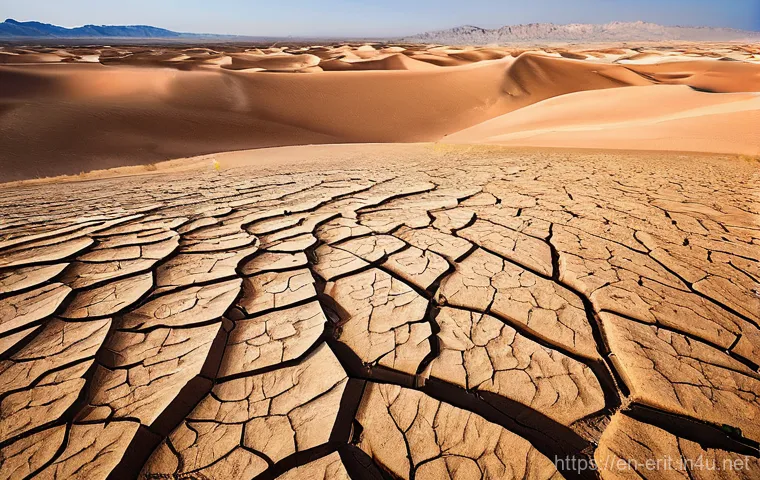
Adding to the challenge of inconsistent rainfall is the insidious creep of desertification. Over time, factors like climate change, overgrazing, and unsustainable land management practices have contributed to the degradation of fertile land.
This isn’t a sudden disaster; it’s a slow, steady erosion of vital agricultural resources, turning once-productive areas into barren landscapes. When I think about it, the long-term implications are terrifying: less land for farming, less pasture for livestock, and increased competition for dwindling resources.
This scarcity doesn’t just affect food production; it can exacerbate existing tensions and force communities to make increasingly difficult choices about survival.
It’s a stark reminder of how interconnected environmental health is with human well-being and economic prosperity, and for Eritrea, it’s a battle being fought on multiple fronts.
Economic Currents and Constraints
Stepping back and looking at Eritrea’s broader economic picture, what immediately struck me was the pervasive influence of a highly centralized state.
It’s a completely different model than what many of us are used to, where the government plays a dominant role in almost every aspect of economic activity.
This isn’t necessarily a judgment, but it certainly creates a unique set of challenges when it comes to fostering dynamic growth and widespread prosperity.
I’ve found that this centralized approach, while aiming for self-reliance, can inadvertently stifle private sector initiative and limit the innovative spirit that often drives economic expansion elsewhere.
It’s like trying to navigate a ship with a very small, tightly controlled crew—you might maintain order, but you might also miss out on the agility and diverse perspectives that a larger, more independent crew could bring.
This intricate web of economic policies profoundly impacts everything from job creation to the availability of goods and services for everyday citizens.
The Tight Grip of Centralized Control
From what I’ve gathered, the Eritrean government maintains a significant hold over key economic sectors. This means that many decisions about production, distribution, and even pricing are made at a national level rather than being driven by market forces.
While this approach is often rooted in a desire for equitable distribution and national security, it can unintentionally create bottlenecks and reduce efficiency.
I’ve often wondered how individuals, particularly aspiring entrepreneurs, navigate such an environment. It seems that the space for independent business ventures and private investment is quite narrow, leading to fewer opportunities for wealth creation outside of state-controlled entities.
This top-down economic management, in my opinion, makes it harder for the economy to respond flexibly to changing global dynamics or to harness the full potential of its own population’s ingenuity.
Limited Private Sector, Limited Hope
This brings me directly to the issue of the private sector, which, from my research, appears to be significantly underdeveloped. In many economies, a vibrant private sector is the engine of job creation, innovation, and economic diversification.
When that engine is constrained, the opportunities for individuals to find stable employment, start their own businesses, or climb the economic ladder become severely limited.
I’ve thought about the bright, ambitious young people in Eritrea and how frustrating it must be to face such a restricted landscape. Without a thriving private sector, the avenues for upward mobility and independent economic growth are simply not as numerous.
This lack of diverse economic opportunities contributes directly to the overall struggle with poverty, as a large portion of the population finds itself with limited options for generating income and improving their living standards.
Navigating the Debt Labyrinth
Another critical factor influencing Eritrea’s economic health is its ongoing struggle with debt. While precise, up-to-date figures can be challenging to pin down due to the country’s guarded approach to economic data, the historical context suggests that debt servicing places a considerable burden on the national budget.
I’ve come to understand that when a significant portion of a nation’s revenue is earmarked for repaying loans, it leaves far less room for essential public investments—things like improving healthcare, education, or infrastructure development.
It’s a constant balancing act, and often, the immediate needs of the population for basic services compete with the long-term obligations of national debt.
This financial pressure can further restrict the government’s ability to implement comprehensive poverty alleviation programs or to invest in sustainable growth initiatives, trapping the nation in a cycle where progress is continually hampered by past financial commitments.
The Human Toll: Daily Struggles and Basic Needs
As I’ve delved deeper into the situation in Eritrea, what truly hits home is the everyday reality for its people. It’s one thing to talk about macroeconomic policies or environmental challenges in abstract terms, but it’s another to grasp how these factors translate into the daily grind of accessing basic necessities.
Imagine waking up and your first thought isn’t about what to have for breakfast, but whether there will be clean water available for your family that day, or if your child will be able to attend a quality school.
These are the profound, personal impacts of the broader challenges, and they paint a vivid picture of the sheer resilience required to navigate life in such circumstances.
It makes you realize that poverty isn’t just about a lack of money; it’s about a lack of consistent access to fundamental human rights and services.
The Quest for Clean Water and Better Health
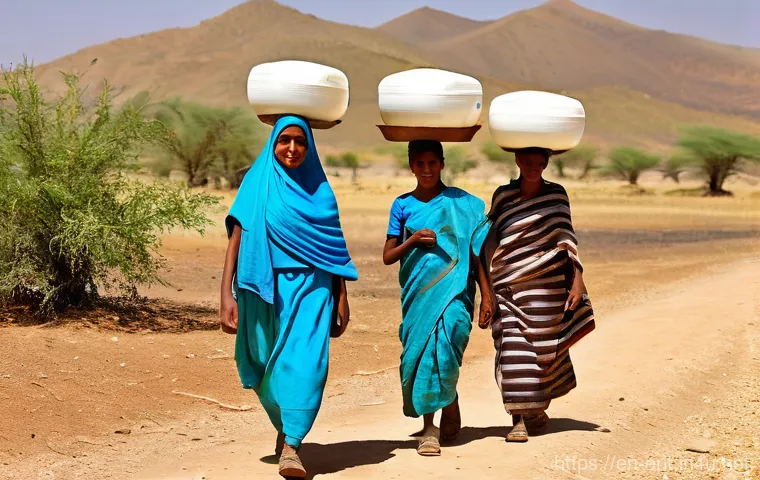
One of the most immediate and critical challenges I’ve learned about is the struggle many Eritreans face in accessing clean and safe drinking water. In a region prone to drought, this isn’t just an inconvenience; it’s a matter of life and death, and a significant contributor to health issues.
Contaminated water sources lead to preventable diseases, particularly among children, further straining already limited healthcare resources. I’ve often thought about the sheer effort involved for many women and children who spend hours each day simply fetching water, time that could be spent on education or productive work.
This scarcity also profoundly impacts sanitation, which in turn fuels the cycle of illness and limits overall community well-being. It’s a foundational issue that directly correlates with the overall health and productivity of the population, making it an incredibly vital area for improvement.
Education on the Front Lines
Another area that deeply concerns me is the state of education, especially in rural and underserved areas. While the government has made efforts, the quality and accessibility of education often fall short, particularly when resources are stretched thin.
I’ve realized that when families are struggling with food insecurity and economic hardship, sending children to school can sometimes feel like a luxury rather than a given.
This means that many young Eritreans may not have access to the foundational learning and skills development that could lift them out of poverty in the long run.
It’s a heartbreaking thought, knowing that a lack of educational opportunity can perpetuate cycles of poverty across generations. Ensuring robust, equitable access to quality education is not just about learning; it’s about empowering individuals and unlocking a nation’s future potential.
| Challenge Area | Impact on Poverty | Contributing Factors |
|---|---|---|
| Food Security | High prevalence of malnutrition, especially in rural areas; economic instability for farming families. | Rain-fed agriculture, recurrent droughts, desertification, limited modern farming techniques. |
| Access to Basic Services | Low access to clean water, inadequate sanitation, strained healthcare system, limited quality education. | Limited infrastructure development, resource allocation challenges, historical underinvestment. |
| Economic Opportunity | High unemployment, limited private sector growth, reliance on subsistence economy. | Centralized economic control, lack of foreign investment, limited job diversification. |
| Environmental Vulnerability | Increased frequency of natural disasters (droughts), land degradation. | Climate change, geographical location, unsustainable land use practices. |
Seeking Horizons Beyond Home
You know, when I read about the challenges faced by people in Eritrea, it makes perfect sense why so many would consider seeking opportunities beyond their borders.
The sheer scale of emigration from Eritrea is a powerful indicator of the difficult conditions within the country, and it speaks volumes about the hopes and dreams people carry for a better life.
It’s not a decision made lightly; leaving your homeland, family, and everything familiar is an incredibly arduous journey, often fraught with immense risks.
I’ve often reflected on the courage and desperation that must drive such choices, and it really underscores the urgency of understanding the underlying push factors.
This outflow of people isn’t just a humanitarian issue; it also has significant implications for the nation’s development, creating both challenges and, surprisingly, some unique opportunities.
The Diaspora’s Enduring Connection
Despite the reasons for leaving, what I find truly remarkable is the deep and abiding connection many Eritreans in the diaspora maintain with their homeland.
It’s not just a physical departure; there’s a strong cultural and emotional thread that continues to bind them to Eritrea. I’ve seen how remittances—money sent home by those working abroad—play a absolutely vital role in supporting families and, to some extent, the national economy.
These financial lifelines are often the difference between struggling and surviving for many households. Beyond money, the diaspora also represents a vast pool of potential expertise, skills, and investment that, if effectively channeled, could contribute significantly to Eritrea’s future development.
It truly highlights the enduring strength of family and community bonds, even across continents and challenging circumstances.
Realities of Emigration and Brain Drain
However, there’s a stark downside to this outward migration, often referred to as “brain drain.” I’ve realized that when a significant number of educated, skilled, and ambitious young people leave the country, it depletes the very human capital needed to drive economic growth and social progress.
Imagine a country losing its doctors, engineers, teachers, and entrepreneurs; it creates a vacuum that is incredibly difficult to fill. This loss of talent can cripple efforts to build stronger institutions, develop new industries, and provide essential services.
It’s a complex predicament: individuals are seeking better lives, but their departure creates a deeper challenge for those who remain and for the nation’s long-term prospects.
This continuous outflow of vital human resources is a major impediment to overcoming poverty and building a self-sufficient future.
Pathways Forward and the Promise of Resilience
After spending so much time digging into Eritrea’s challenges, it’s easy to feel overwhelmed, but I’ve always believed that understanding the depth of a problem is the first step toward finding solutions.
What truly shines through for me is the incredible resilience of the Eritrean people. Despite facing decades of adversity—from conflict to environmental hardship and economic constraints—there’s an enduring spirit that refuses to be broken.
This resilience, combined with the country’s unique characteristics, suggests that there are indeed pathways forward. It’s not about finding a magic bullet, but rather about a multifaceted approach that leverages internal strengths while carefully navigating external relationships.
I firmly believe that by fostering an environment conducive to sustainable growth and empowering its citizens, Eritrea has the potential to carve out a more prosperous future.
It’s going to take thoughtful planning, strategic investments, and a willingness to adapt, but the potential is absolutely there.
Tapping into Undiscovered Potential
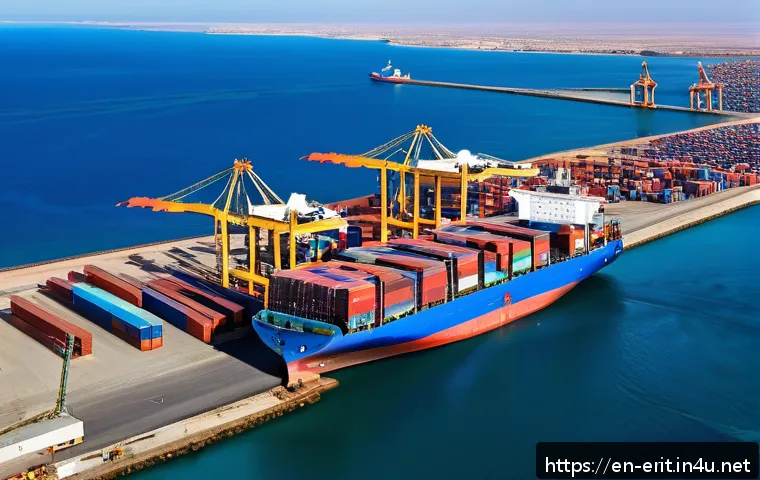
I genuinely believe that Eritrea possesses significant untapped potential that could be a game-changer for its economic development. Beyond its rich mineral resources, which of course offer opportunities, I’m particularly drawn to its strategic location along the Red Sea, which presents possibilities for port development and maritime trade.
Imagine the role it could play in regional logistics and commerce! Furthermore, the country’s diverse landscapes, from its beautiful coastline to its highlands, hold promise for tourism, if properly developed and managed.
But perhaps the greatest untapped resource is its people – their resilience, determination, and ingenuity. Empowering individuals, particularly the youth, through education and skill development, and creating an environment where entrepreneurship can flourish, could unlock immense internal dynamism.
It’s about shifting focus from just coping to actively cultivating and investing in these inherent strengths.
The Role of International Engagement
While self-reliance is a deeply ingrained value, I’ve also come to understand that judicious international engagement can play a crucial role in supporting Eritrea’s journey out of poverty.
This isn’t about dependence, but about strategic partnerships that can bring much-needed investment, technological expertise, and humanitarian aid where it’s most impactful.
I often think about how collaboration with international organizations and other nations could help address critical issues like food insecurity through climate-resilient agriculture, or improve access to clean water and healthcare.
It’s a delicate balance, of course, respecting national sovereignty while also embracing the benefits of global cooperation. Fostering a more open dialogue and building bridges with the international community could unlock resources and knowledge that are vital for accelerating progress and creating a more stable, prosperous future for all Eritreans.
Wrapping Things Up
Phew! After exploring the many layers of challenges and the incredible resilience within Eritrea, I truly hope this journey has been as eye-opening for you as it has been for me. It’s a country with a complex story, deeply shaped by its past, grappling with environmental realities, and navigating a unique economic path. What consistently stands out, though, is the unwavering spirit of its people. Understanding these intricacies isn’t about finding simple answers, but about appreciating the profound human experience at its core, and recognizing the immense potential that still lies within this nation. It’s a testament to the human will to not only survive but to yearn for a brighter tomorrow.
Useful Bits to Tuck Away
1. Did you know Eritrea is home to nine distinct ethnic groups, each with its own language and cultural traditions? It’s a true mosaic of heritage, making it culturally rich and diverse.
2. The capital city, Asmara, is a UNESCO World Heritage site, celebrated for its remarkably preserved Art Deco and Futurist architecture from the Italian colonial period. Walking through its streets feels like stepping back in time!
3. Eritrea boasts a stunning coastline along the Red Sea, offering incredible marine biodiversity and potential for tourism, though it remains largely undeveloped to visitors from the outside world for now.
4. While challenging to obtain exact figures, the Eritrean Nakfa is the national currency, and cash transactions are very much the norm, reflecting a different economic landscape than many might be used to.
5. The concept of ‘self-reliance’ is deeply ingrained in the national ethos, influencing many government policies and the daily lives of its citizens, a direct reflection of its long history of struggle and independence.
Key Takeaways
When we look at Eritrea, it becomes clear that its path has been profoundly shaped by a confluence of historical conflicts, persistent environmental vulnerabilities like recurring droughts, and a highly centralized economic system that influences daily life. Despite these immense hurdles, the resilience and unwavering spirit of the Eritrean people are truly remarkable. Their ability to persevere through such adversity speaks volumes, and the country’s strategic location, alongside the strong connection of its diaspora, truly underscores a significant, albeit often overlooked, potential for future growth. Addressing these challenges will undoubtedly require a delicate balance of internal strategies and thoughtful, strategic international engagement.
Frequently Asked Questions (FAQ) 📖
Q: What are the primary reasons Eritrea faces such significant poverty challenges today?
A: From what I’ve gathered, it’s truly a complex web of interwoven factors, a tapestry woven with threads of history, environment, and economic policy. It’s not a single cause, but a confluence of circumstances that have, over time, deeply impacted the nation’s well-being.
Firstly, a huge part of the story lies in Eritrea’s tumultuous history, especially the decades-long war for independence and subsequent border conflicts with Ethiopia.
Imagine trying to build a stable economy when your resources are constantly diverted to defense, and essential infrastructure is repeatedly destroyed.
It’s heartbreaking to think about the sheer amount of energy and potential that goes into recovery rather than proactive growth. Beyond conflict, the environment plays a massive, often brutal, role.
Eritrea is predominantly an arid nation, heavily reliant on rain-fed agriculture, and let me tell you, when you’re in a drought-prone region, that’s a recipe for constant uncertainty.
When the rains fail, which they frequently do, it cripples food production and leaves communities incredibly vulnerable. I’ve read that agriculture, despite employing the majority of the population, contributes only a small fraction to the country’s GDP, which really highlights this challenge.
Economically, the country has also faced hurdles with a highly centralized, state-dominated economy. This has often limited the growth of a dynamic private sector, meaning fewer opportunities for innovation, job creation, and overall economic diversification.
It’s like trying to run a marathon with one hand tied behind your back. Add to that an unsustainable debt burden – both domestic and external – and it creates a macroeconomic situation that’s incredibly difficult to navigate.
Lastly, a period of international isolation and sanctions, along with internal governance issues and a protracted national service, has further constrained development by limiting access to foreign investment and drawing away a significant portion of the productive workforce.
It really makes you appreciate how many pieces have to align for a country to thrive.
Q: How does daily life look for most Eritreans given these economic hardships, especially concerning basic necessities?
A: I can only begin to fathom the sheer resilience it takes to navigate daily life in Eritrea under these conditions. The most immediate and pressing concern for many is food security.
With agriculture being so susceptible to drought and conflict, a significant portion of the population, I’ve learned, struggles with undernourishment and food insecurity.
Imagine waking up each day, not knowing if there will be enough food for your family, or seeing children, particularly those under five, suffering from malnutrition.
It’s an incredibly stark reality. Access to clean water is another critical challenge; I saw figures suggesting that a huge percentage of Eritreans, especially in rural areas, lack access to essential water services.
This isn’t just an inconvenience; it means hours spent daily fetching water, often from contaminated sources, leading to preventable diseases. It’s a vicious cycle where health, time, and energy are constantly drained.
Education, too, faces significant hurdles. Public education can be inconsistent, particularly for children in rural or nomadic communities, and the quality can vary widely.
When you combine this with challenges like the mandatory national service, which can draw young people away from their studies, it creates immense barriers to building a skilled workforce and future leaders.
Healthcare services are also limited, especially in remote regions, contributing to issues like high maternal death rates. So, for many, daily life is a continuous struggle for the very basics – food, clean water, healthcare, and education.
It’s a stark reminder of how interconnected these fundamental needs are and how their absence profoundly impacts an entire society. This persistent adversity also explains why many Eritreans seek opportunities and refuge outside their homeland, a truly heartbreaking decision for any family to make.
Q: Are there any ongoing efforts or potential pathways to help Eritrea overcome these deep-seated poverty issues? What does the future hold?
A: Despite these deep-seated challenges, it’s really important to highlight that there are glimmers of hope and ongoing efforts, both internally and externally, aiming to improve the situation.
It’s not an easy fix, by any stretch, but the spirit of resilience is palpable. One key area of potential lies in Eritrea’s natural resources, particularly its mining sector.
New mining operations are gradually coming online, and these could be a significant driver for economic recovery, bringing in much-needed foreign exchange.
I’ve seen discussions about how strategically managed, this could really change the economic landscape. There’s also a growing recognition of the need to relax restrictions on the private sector and encourage more private investment.
I firmly believe that fostering entrepreneurship and creating a more open economic environment could unlock incredible potential and create much-needed jobs.
Another promising development is Eritrea’s re-engagement with international development partners. After a period of isolation, working with organizations like the UN and the World Bank on initiatives focused on basic social services, food security, and sustainable livelihoods is crucial.
These partnerships can bring in expertise, resources, and coordination to tackle complex problems. I’ve read about efforts in the agricultural sector, too, with the government investing in micro-dams and providing farmers with assistance like micro-credit and drought-resistant seeds.
These steps, while small, are vital for improving food security. Furthermore, the commitment to a “One WASH Strategy” with UNICEF, aiming to provide universal access to clean water and sanitation by 2030, is incredibly ambitious but absolutely essential for public health and quality of life.
The normalization of relations with Ethiopia in 2018 and the lifting of UN sanctions also represent a significant positive shift, potentially opening doors for regional cooperation and trade.
While the path ahead is undoubtedly long and fraught with challenges, these collective efforts, coupled with the incredible determination of the Eritrean people, suggest that a brighter future, though hard-won, is indeed possible.
It’s a testament to the fact that even in the face of immense adversity, hope and progress can emerge.