Ever wondered about the true cost of freedom, or how a nation can be forged through unimaginable struggle and an unyielding spirit? There are pivotal moments in history that don’t just recount past events, but echo with profound lessons that resonate deeply even today.
Take the Eritrean War of Independence, for instance. For three grueling decades, from 1961 to 1991, this remarkable nation endured one of the longest and most devastating liberation wars in modern African history, a period where an entire people stood united against overwhelming odds and, at times, the silence of the global community.
It’s a powerful testament to incredible resilience, the unwavering pursuit of self-determination, and the immense human resolve to claim one’s own destiny.
Imagine a whole population facing brutal repression, untold sacrifices, thousands of deaths, disabilities, and widespread displacement, all fueled by the fervent dream of a sovereign homeland.
Their journey wasn’t merely about winning battles on the ground; it was about defining their very identity and courageously refusing to be silenced. This compelling saga truly challenges us to reflect on what it fundamentally means for a people to fight for and finally secure their rightful place in the world.
Ready to uncover the full, captivating story of this extraordinary struggle? Let’s dive deeper and explore this pivotal chapter in history together.
The Unseen Spark: How a Nation’s Resolve Was Forged

A Legacy of Unfulfilled Promises
Imagine living under the shadow of a promise that never materializes, a dream of autonomy that slowly slips away, replaced by the heavy hand of annexation.
That’s precisely where Eritrea found itself, a beautiful land strategically positioned, with its people yearning for self-determination after decades of colonial rule.
After World War II, instead of gaining the independence many believed was their due, Eritrea was federated with Ethiopia in 1952. While it initially offered a semblance of autonomy, it wasn’t long before this arrangement began to unravel.
I remember learning about this period and feeling a profound sense of injustice – how a people’s right to self-govern could be so easily dismissed on the global stage.
It really makes you wonder about the true meaning of international diplomacy when the aspirations of a nation are overlooked for geopolitical convenience.
The gradual erosion of Eritrea’s federal status, with its parliament dissolved and its official language, Tigrinya, being replaced by Amharic, wasn’t just a political maneuver; it was a deeply personal assault on the cultural identity and self-respect of an entire populace.
This systematic dismantling of their autonomy didn’t just happen overnight; it was a slow, deliberate process that tightened its grip year after year, fueling an understandable and ultimately explosive resentment among the Eritrean people.
When Diplomacy Fails: The Birth of Resistance
When peaceful avenues are exhausted and the voices of a people are systematically silenced, what options remain? For Eritrea, it was the call to arms.
The outright annexation by Ethiopia in 1962, transforming Eritrea into merely another province, served as the final, bitter catalyst. This was the moment of no return, the point where the Eritrean people collectively realized that their freedom would not be granted; it had to be fought for.
It’s hard to truly grasp the weight of such a decision – to pick up a weapon and commit to a struggle that could last decades, knowing the immense sacrifice it would demand.
The formation of the Eritrean Liberation Front (ELF) in 1961, even before full annexation, marked the nascent stages of armed resistance. It’s a testament to their foresight and deep understanding of the brewing storm.
This wasn’t just about political grievances; it was about the very soul of a nation, about defending their heritage, their language, and their right to exist as a distinct entity.
The early skirmishes, though small in scale, sent a powerful message: Eritrea would not go quietly into the night. This period, for me, truly highlights the resilience of the human spirit when pushed to its absolute limits, transforming desperation into an unyielding resolve.
Navigating the Labyrinth: Guerrilla Warfare and Unbreakable Bonds
The Art of the Asymmetrical Battle
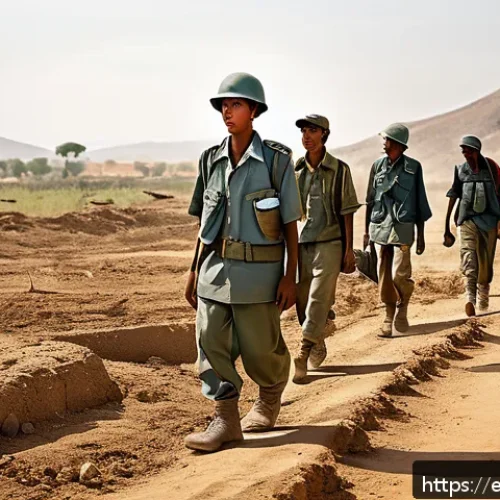
The Eritrean People’s Liberation Front (EPLF), which emerged later and eventually became the dominant force, mastered the art of asymmetrical warfare.
Faced with a far superior Ethiopian army, heavily armed and supported by various international powers throughout the conflict, the Eritrean fighters couldn’t afford a conventional fight.
They adapted, innovated, and fought on their own terms. When I think about their tactics, it’s not just about military strategy; it’s about sheer ingenuity and an intimate knowledge of their rugged terrain.
They transformed the very land – the mountains, the desert, the hidden valleys – into their greatest ally. Hit-and-run attacks, ambushes, and meticulously planned operations became their signature.
Can you imagine the sheer discipline and courage it took for these liberation fighters, often outgunned and outnumbered, to continuously engage such a formidable enemy?
Their ability to vanish into the landscape, only to reappear where least expected, confounded their adversaries. It’s truly a testament to the power of a deeply motivated and highly organized resistance movement.
This was about survival, yes, but more profoundly, it was about proving that spirit and strategy could overcome brute force, time and time again.
Building a Nation in the Shadows
What often goes untold in war narratives is the incredible effort that goes into building a functional society *during* the conflict. The EPLF wasn’t just a fighting force; it was a government in waiting, establishing administrative structures, hospitals, schools, and even a rudimentary industrial base, all underground and in liberated territories.
I found this aspect of the struggle particularly inspiring – the idea that even amidst the chaos and destruction of war, people were actively laying the foundations for the nation they were fighting for.
They were literally digging tunnels and caves to house factories, medical centers, and educational facilities, ensuring that life, learning, and self-sufficiency could continue.
This wasn’t just about winning battles; it was about demonstrating their capacity to govern, to care for their people, and to build a sustainable future.
They trained doctors, teachers, and engineers, not just soldiers. This dual approach – fighting on the front lines while simultaneously constructing the infrastructure of a new society – speaks volumes about their long-term vision and unwavering commitment to a sovereign Eritrea.
It highlights the profound belief that their struggle was for more than just independence; it was for a better way of life.
The Global Divide: Shifting Alliances and Lingering Silence
A Cold War Chessboard and Regional Agendas
The Eritrean struggle unfolded against the complex backdrop of the Cold War, a geopolitical chess match where superpowers often prioritized strategic advantage over human rights.
Ethiopia, under Emperor Haile Selassie and later the Marxist Derg regime, received substantial military and financial aid from various global players – first the United States, and then the Soviet Union.
This meant the Eritrean fighters were often up against a proxy army, funded and equipped by some of the world’s most powerful nations. It always struck me how quickly international allegiances could shift, transforming former allies into staunch adversaries, all while the Eritrean people paid the ultimate price.
The silence from many international bodies regarding the atrocities committed during the war was deafening, a stark reminder that national interests often overshadow moral obligations.
Regional powers too had their own complex interests, sometimes supporting, sometimes hindering the Eritrean cause, making the diplomatic landscape incredibly difficult to navigate.
This external interference prolonged the conflict, adding layers of complexity to an already brutal war for self-determination.
The Power of Self-Reliance: Overcoming Isolation
Despite facing overwhelming odds and, at times, what felt like the entire world’s indifference, the Eritrean liberation movements largely relied on their own ingenuity and the unwavering support of their people.
While they sought and occasionally received limited external aid, their primary strength came from within. They captured enemy equipment, recycled resources, and developed an incredible capacity for self-sufficiency.
This resourcefulness, born out of necessity, is a remarkable aspect of their story. I often think about the psychological impact of fighting a war where the global community largely turns a blind eye; it must have been incredibly isolating.
Yet, this isolation seemed to forge an even stronger bond among the Eritrean people, deepening their resolve and reinforcing their belief in their own capabilities.
They understood that their freedom wouldn’t be handed to them; they had to earn it through their own sweat, blood, and tears. This unwavering commitment to self-reliance, rather than relying on fickle international support, became a defining characteristic of their path to independence, a stark lesson in resilience that resonates deeply even today.
Women at the Forefront: Shaping the Future, Fighting for Freedom
Beyond the Battlefield: Women’s Pivotal Roles
When we talk about the Eritrean War of Independence, it’s impossible to overstate the role of women. They weren’t just supporters or victims of war; they were integral to every aspect of the struggle, from frontline combat to the meticulous organization of civil society.
I’ve read countless accounts of women serving as fighters, commanders, medics, teachers, and engineers, demonstrating incredible courage and skill in traditionally male-dominated roles.
This wasn’t merely a strategic choice; it was a fundamental shift in societal norms, a recognition that the liberation of the nation required the full participation of all its people.
It’s truly inspiring to consider how they broke down barriers even as they fought for national liberation, creating a more equitable society within the confines of a brutal war.
Their contributions were so profound that the EPLF’s commitment to gender equality became a cornerstone of its ideology. This active participation didn’t just bolster the war effort; it fundamentally reshaped the social fabric, laying the groundwork for a more inclusive future for Eritrea itself.
A New Social Contract Forged in Conflict

The active and equal participation of women in the Eritrean struggle had profound and lasting effects on the nation’s social structure. It wasn’t just about their presence in combat; it was about their leadership in every sphere.
In liberated areas, women held key administrative positions, managed local economies, and spearheaded literacy campaigns. This experience fostered a collective understanding that a liberated Eritrea must also be an equitable Eritrea.
It’s truly a powerful example of how a revolutionary struggle can, in its very essence, redefine societal roles and expectations. From my perspective, this aspect of the Eritrean experience offers invaluable lessons for other nations grappling with conflict and societal change.
The war, for all its horrors, became a crucible where traditional gender roles were challenged and often overturned, leading to a new social contract that valued capability over gender.
This commitment to equality was not an afterthought but a central tenet of their fight, deeply ingrained in the very identity of the liberation movement.
The Dawn of Sovereignty: A Hard-Won Peace
The Long Road to Victory
After three long decades of unimaginable sacrifice, the Eritrean people finally achieved their hard-won independence in 1991. The collapse of the Soviet-backed Derg regime in Ethiopia, following years of relentless military campaigns by the EPLF and allied Ethiopian opposition forces, marked the end of an era.
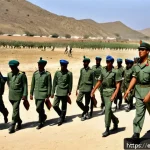
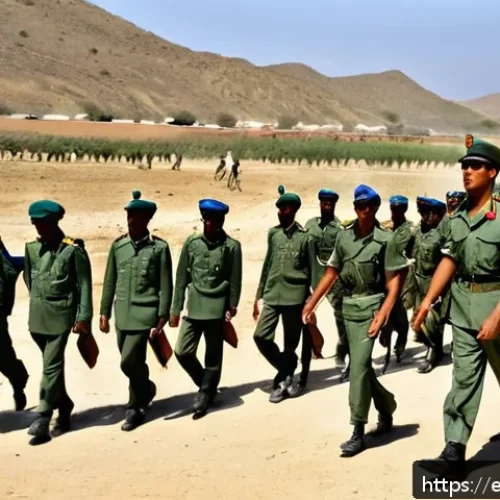
The image of Eritrean fighters marching triumphantly into Asmara after liberating the capital is one that still resonates with immense power. It wasn’t just a military victory; it was the culmination of generations of struggle, resilience, and unwavering belief in their cause.
The sheer scale of their achievement, defeating one of Africa’s largest and best-equipped armies, often without significant external support, remains an extraordinary feat.
When I think about that moment, it’s not just about the fighting; it’s about the indomitable human spirit that refused to be crushed, a spirit that sustained an entire people through decades of darkness until the light of freedom finally broke through.
Referendum and Recognition: A Nation Reborn
The true validation of Eritrea’s independence came in 1993 with a UN-monitored referendum, where an overwhelming majority of Eritreans voted for sovereignty.
This wasn’t just a formality; it was a powerful, democratic affirmation of their identity and their right to self-determination. The world finally recognized what the Eritrean people had fought for so fiercely.
I remember reading about the jubilant celebrations that followed, the collective outpouring of joy and relief after so much suffering. It truly represented a rebirth, a moment when a people, against all odds, carved out their rightful place on the global stage.
This peaceful transition to independence, endorsed by the international community, stood as a testament to the legitimacy of their struggle. It wasn’t merely the end of a war; it was the beginning of a nation, built on the sacrifices of its people and forged in the crucible of one of history’s most arduous liberation movements.
| Year | Event | Significance |
|---|---|---|
| 1952 | Eritrea federated with Ethiopia | Initial arrangement, offering limited autonomy, that quickly began to erode. |
| 1961 | Eritrean Liberation Front (ELF) formed | Marked the beginning of armed resistance against Ethiopian rule. |
| 1962 | Ethiopia annexes Eritrea | Formal dissolution of the federation, making Eritrea an Ethiopian province and fueling the war. |
| 1970s | Emergence of Eritrean People’s Liberation Front (EPLF) | Became the dominant and most effective liberation movement. |
| 1991 | EPLF liberates Asmara | Decisive military victory leading to the de facto independence of Eritrea. |
| 1993 | Independence Referendum | Overwhelming vote for independence, officially recognizing Eritrea’s sovereignty. |
Echoes of Resilience: Lessons for a Changing World
The Enduring Power of Collective Will
The story of Eritrea’s independence is a powerful reminder of what a united people can achieve, even when faced with insurmountable obstacles. It’s a testament to the enduring power of collective will, the idea that a shared dream, passionately pursued, can overcome even the most formidable adversaries.
When I reflect on their journey, it’s not just a historical account; it’s a living lesson in resilience, self-reliance, and unwavering determination. Their ability to mobilize an entire population, from urban centers to remote villages, creating a cohesive and committed force for change, truly stands out.
This wasn’t just a political movement; it was a societal transformation, where every individual played a vital role in shaping their destiny. It challenges us to look beyond conventional power structures and recognize the inherent strength that lies within a community bound by a common purpose.
This profound sense of unity and shared sacrifice is, in my opinion, the most significant legacy of their struggle, offering hope and inspiration to those still fighting for their freedoms today.
Reflections on Freedom’s True Cost
While the Eritrean people ultimately achieved their freedom, their journey serves as a stark reminder of the immense cost of liberation. The three-decade war left deep scars, impacting generations through loss of life, displacement, and ongoing socio-economic challenges.
It’s a sobering reflection on the price of self-determination, a price paid in blood, sweat, and tears by countless individuals. When I think about the sheer human cost, it makes me appreciate the freedoms we often take for granted, and reminds me that such liberties are often built on the immense sacrifices of others.
The Eritrean story forces us to confront the difficult questions about international responsibility and the moral imperatives that should guide global diplomacy.
It highlights the devastating long-term effects of conflict, even after victory is declared. This profound saga challenges us to reflect on what it fundamentally means for a people to fight for and finally secure their rightful place in the world, and encourages us to never forget the sacrifices that pave the way for a nation’s birth.
글을 마치며
After diving deep into Eritrea’s incredible journey to independence, it’s impossible not to feel a profound sense of awe and respect for the human spirit.
This isn’t just a historical account; it’s a living testament to what a people, united by an unwavering vision for freedom, can truly achieve against overwhelming odds.
Reflecting on their three-decade struggle, I’m constantly reminded that the greatest victories are often forged in the fires of immense sacrifice and an unyielding belief in one’s right to self-determination.
It truly makes you reconsider what’s possible when a community stands together, hand in hand, against the giants of the world, and that’s a lesson I carry with me every day.
알아두면 쓸모 있는 정보
1. If you’re ever curious about visiting Eritrea, its capital, Asmara, is a UNESCO World Heritage site renowned for its stunning Italian Art Deco architecture. It’s like stepping back in time to the 1930s, offering a unique blend of history and design that’s truly captivating, and the atmosphere is unlike anywhere else on Earth!
2. The spirit of self-reliance, so crucial during their war, continues to be a strong cultural value in Eritrea. This often translates into incredibly tight-knit communities and a collective problem-solving approach that’s both inspiring and effective, reminding us of the power of community.
3. Understanding the country’s history, particularly the pivotal role of women in the liberation struggle, gives you a much richer appreciation for the societal dynamics there today. Gender equality isn’t just a phrase; it’s a deeply ingrained principle that has shaped their nation from its very foundations.
4. The Red Sea coast of Eritrea offers some incredible, untouched diving spots. Imagine exploring pristine coral reefs teeming with marine life without the crowds you find in more mainstream destinations – it’s genuinely an adventurer’s dream come true for anyone seeking unspoiled beauty!
5. While the country has faced various challenges post-independence, the resilience, dignity, and unwavering pride of the Eritrean people are truly remarkable. Engaging with their culture and history offers invaluable lessons in perseverance, national identity, and the enduring strength of a united populace.
중요 사항 정리
The Eritrean War of Independence stands as a powerful narrative of resilience, unity, and an unyielding commitment to self-determination. It underscores the immense sacrifices made for freedom, the pivotal role women played in every aspect of the struggle, and the incredible ingenuity required to overcome seemingly insurmountable odds.
This history reminds us that true liberation often demands a long, arduous fight, but the collective will of a people, bound by a shared purpose, can ultimately prevail, forging a new nation built on an enduring spirit.
It’s a profound lesson in courage that resonates deeply with anyone striving for their own form of freedom.
Frequently Asked Questions (FAQ) 📖
Q: What exactly sparked the Eritrean War of Independence, and what was the core issue that drove a whole people to fight for three decades?
A: You know, it’s never just one thing, is it? When a nation commits to such an incredibly long and arduous struggle, it’s always rooted in something profound.
For Eritrea, the primary catalyst was the annexation of their country by Ethiopia. After a period of federation, where Eritrea had its own parliament and recognized languages, Ethiopia gradually dismantled this autonomy, eventually annexing Eritrea as its 14th province in 1962.
Imagine waking up one day to find your unique identity, your right to self-govern, and even your official languages being systematically stripped away.
This wasn’t just about land; it was a deeply personal assault on their dignity, their culture, and their fundamental right to self-determination. The Eritrean people simply refused to be erased, and that unyielding spirit for their own sovereign homeland became the fuel for a fight that would astonish the world with its perseverance.
Q: Three decades is an incredibly long time for a war. What were some of the most significant challenges and sacrifices the Eritrean people endured during this period?
A: Honestly, when I think about the 30 years from 1961 to 1991, my mind just reels at the sheer scale of what they faced. Eritrea was a relatively small nation up against a much larger, better-equipped Ethiopian army, which at various points received significant international backing.
The challenges were immense: brutal repression was a daily reality, with countless civilians caught in the crossfire. We’re talking untold sacrifices – thousands upon thousands of lives lost, widespread disabilities from injuries, and the heartbreaking displacement of entire communities who became refugees in neighboring countries.
It wasn’t just physical hardship; it was also the immense psychological toll of constantly fighting for survival, often feeling isolated from the rest of the world.
Yet, what truly astounds me is that through all of this, their resolve never broke. Their unity, their shared vision for a free Eritrea, kept them going against truly overwhelming odds.
Q: After such an arduous journey, what was the ultimate outcome of the Eritrean War of Independence, and what profound lessons can we take from their inspiring struggle today?
A: The ultimate outcome, thankfully, was a resounding victory for the Eritrean people! After decades of unimaginable struggle, the Eritrean People’s Liberation Front (EPLF) triumphed, liberating the capital city of Asmara in May 1991.
This paved the way for a UN-monitored referendum in 1993, where the Eritrean people voted overwhelmingly for independence, officially becoming the newest sovereign nation in Africa.
It was a truly monumental moment, a testament to the power of unwavering determination. For me, the profound lessons are manifold: it reminds us of the incredible resilience of the human spirit when united by a common, just cause.
It shows us that even against seemingly insurmountable odds, the pursuit of self-determination and the refusal to be silenced can lead to freedom. This compelling saga fundamentally challenges us to reflect on the immense value of a people fighting for, and ultimately securing, their rightful place in the world.
It’s a story that echoes with courage, sacrifice, and the enduring dream of liberty.