Hey there, fellow trailblazers and dream-chasers! Have you ever looked at a map and wondered about those places less traveled, the ones brimming with untapped potential?
I certainly have, and lately, my radar has been pinging on a fascinating spot in the Horn of Africa: Eritrea. Now, I know what you might be thinking – perhaps it’s not the first place that springs to mind when you picture a vibrant startup hub.
And honestly, for a long time, the global narrative around doing business there has been, shall we say, a bit understated. But here’s the exciting bit: I’ve been digging deep, looking beyond the headlines, and what I’ve discovered is a nation slowly but surely awakening to incredible entrepreneurial possibilities.
We’re talking about a land rich in natural resources, from fertile agricultural lands to promising mining prospects, and a stunning coastline perfect for fisheries and tourism development.
More importantly, there’s a growing recognition of the crucial role small businesses and local innovation can play in shaping its future. Yes, the path isn’t without its unique challenges – no emerging market ever is – but for those with vision and grit, the rewards could be truly transformative.
Think about the burgeoning potential in areas like renewable energy or even new digital content platforms, driven by a young, eager population. If you’re like me, constantly searching for where the next big impact can be made, Eritrea is a place you absolutely need to explore.
Let’s peel back the layers and uncover the definitive guide to starting your venture in Eritrea.
Unearthing Eritrea’s Hidden Treasures: From Soil to Shore
You know, for years, the narrative around Eritrea often felt a bit… quiet. But if you dig just a little beneath the surface, what you uncover is truly astounding. From the fertile plains to the shimmering Red Sea, this nation is brimming with natural resources that are practically begging for innovative minds to unlock their potential. I’ve spent some time looking into this, and it feels like we’re on the cusp of something really exciting here.
A Land of Mineral Riches
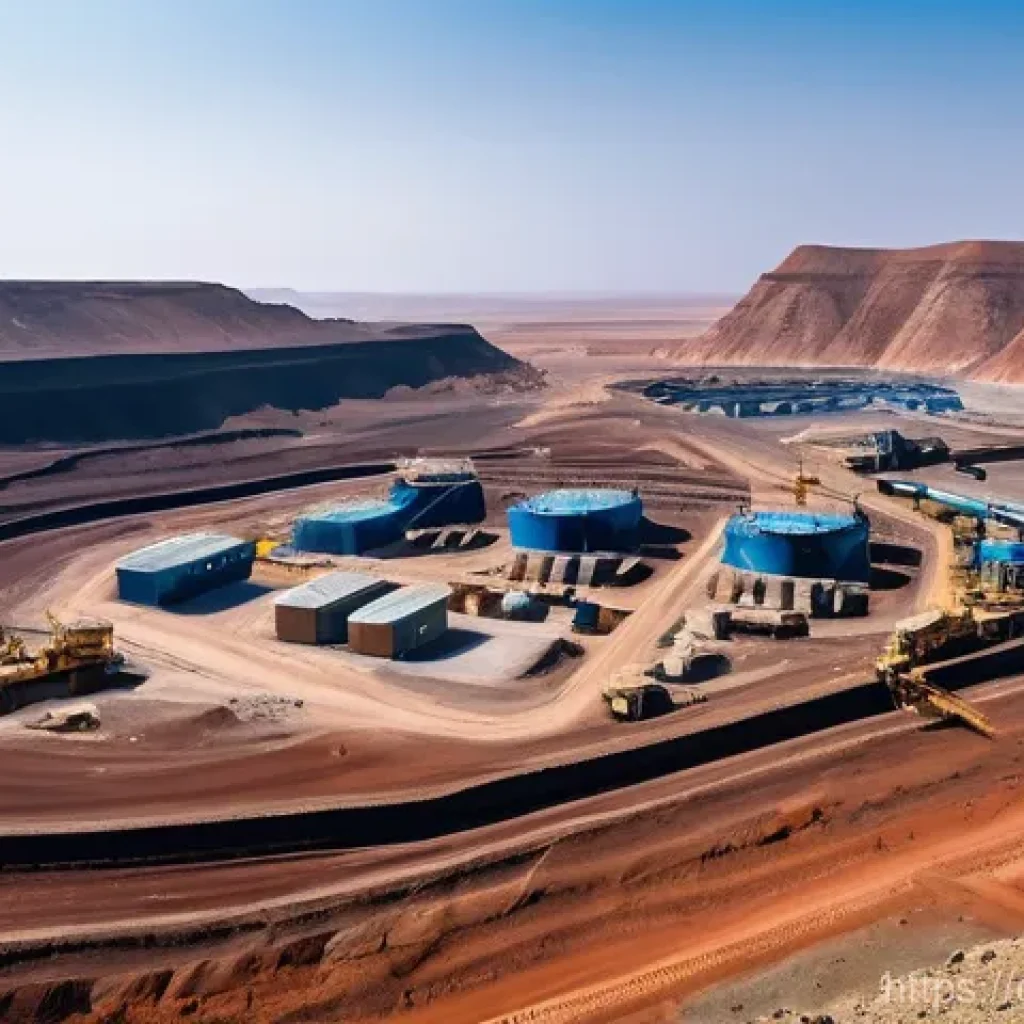
My investigations have shown me that Eritrea sits on some truly impressive mineral deposits. We’re talking gold, copper, zinc, and even significant potash reserves that could really shake up global markets. The Bisha mine has been a significant player for years, bringing in substantial export earnings, but what truly excites me is the Colluli Potash Project in the Danakil Depression. Imagine, one of the world’s largest potash reserves, with over a billion tons of ore, and it’s relatively shallow, which could make extraction surprisingly efficient! It’s not just the big names, either; there are untapped potentials for marble, granite, and even whispers of oil and natural gas in the Red Sea Basin. This isn’t just about digging things up; it’s about the entire value chain, from exploration to processing. The possibilities for a visionary entrepreneur to step in and contribute to this burgeoning sector are immense. I can just picture the jobs created and the local communities thriving around these new ventures. It’s a goldmine, literally and figuratively.
Feeding the Nation: Agricultural & Marine Potential
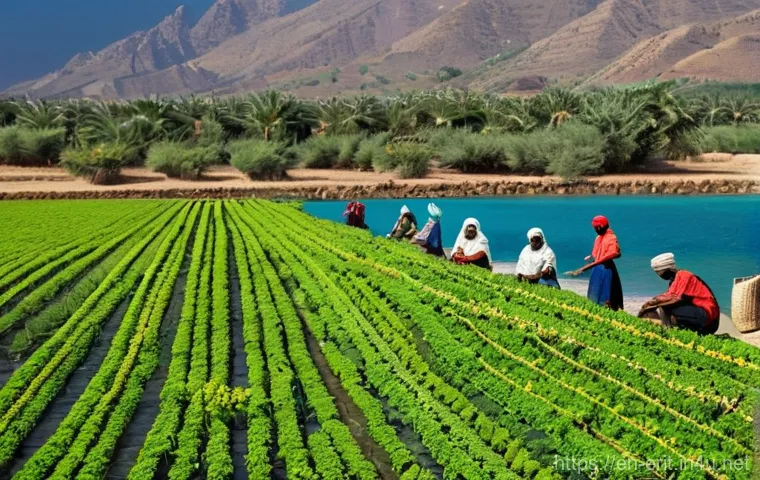
Beyond the rocks and minerals, Eritrea has a surprisingly strong agricultural base. I’ve noticed that while much of it is rain-fed and traditional, there’s fertile land ripe for modernizing. Think about it: a climate conducive to growing cereals, a variety of fruits and vegetables, and a robust livestock sector. This isn’t just about subsistence anymore; it’s about scaling up, improving yields with modern techniques, and establishing agro-processing facilities. Imagine fresh Eritrean produce, processed and packaged locally, hitting both domestic and international markets! Then there’s the coastline—oh, that stunning Red Sea coastline. It’s over 1,000 kilometers long, dotted with hundreds of islands, and teeming with abundant fish stocks. My gut tells me there’s huge potential here for developing sustainable fisheries and aquaculture. We could see seafood processing plants, shrimp farms, and even boat construction and maintenance operations taking off. For those of us who love a challenge and want to make a tangible impact, investing in these sectors isn’t just a business decision; it’s a chance to contribute to food security and build a thriving local economy.
Navigating the Regulatory Tides: Understanding Eritrea’s Business Landscape
Now, I know what many of you might be thinking: “An emerging market? That sounds like a regulatory labyrinth!” And you wouldn’t be entirely wrong. Every new frontier has its quirks, but from what I’ve gathered, Eritrea is making strides to create a more welcoming environment for investors, though it still requires a clear-eyed approach. It’s a place where relationships truly matter, and patience is a virtue, much like many rapidly developing regions I’ve explored.
The Legal Framework and Investment Incentives
Eritrea operates under a civil law system, and the Investment Proclamation (you’ll see references to both No. 59/1994 and No. 18/1991, but the spirit is clear) is designed to encourage both domestic and foreign investment. What really caught my eye is the provision for 100% foreign ownership for manufacturing projects, like solar module assembly, which is a huge deal for entrepreneurs who want full control over their vision and technology. They’ve even got incentives like tax exemptions or reductions for certain industries, especially export-oriented ones and those in designated free zones like Massawa and Assab. The government also guarantees the right to remit profits, dividends, and even your original capital, which is a significant reassurance. I’ve also found that the Eritrean Investment Center (EIC) is intended to be a “one-stop shop,” aiming to streamline the application and approval process. While bureaucracy is a reality, having a central body dedicated to guiding investors is a definite plus in my book. It tells me they’re serious about attracting the right kind of growth.
Facing the Realities: Challenges and Bureaucracy
Let’s be real, no emerging market is a walk in the park, and Eritrea has its unique set of challenges. My research indicates that the government maintains a fairly tight control over many economic aspects, which can mean navigating a somewhat complex bureaucratic system. Things like land ownership, for instance, are primarily held by the government, with usage rights granted based on various factors. This is a common structure in many developing nations, but it’s crucial to understand how it works in practice. Another area that requires careful planning is currency control and access to foreign exchange. While policies are in place for profit repatriation, the actual process can sometimes be less fluid than one might hope. This is why building strong local relationships and having a reliable local team on the ground is absolutely critical. I’ve always found that the human element, understanding local customs and building trust, can smooth over many bureaucratic bumps. It’s not about cutting corners, but about understanding the rhythm of doing business in a unique cultural context. Challenges are always part of the adventure, right? It just means we need to be smart, adaptable, and a bit tenacious.
Powering Progress: The Rise of Renewable Energy Ventures
When I think about where Eritrea truly shines with untapped potential, my mind immediately jumps to renewable energy. This isn’t just a fleeting trend; it’s a fundamental shift, and Eritrea is perfectly positioned to ride this wave. We’re talking about a nation blessed with abundant natural elements that can literally power its future.
Embracing Solar and Wind
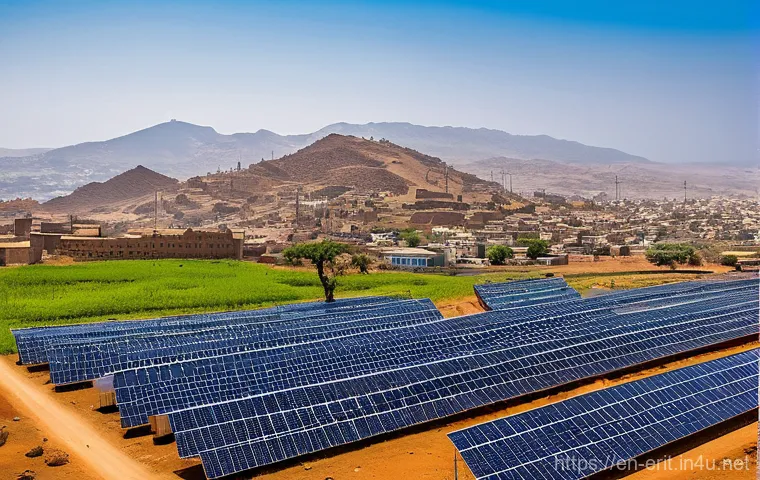
Imagine days filled with glorious sunshine and coastal areas blessed with consistent, strong winds. That’s Eritrea for you! My observations tell me that the country has some of the highest solar irradiance levels on the planet, making it an ideal candidate for large-scale solar projects. And let’s not forget the wind power, with projects like the Assab wind farm already in place, showcasing the viability of this energy source. I’ve seen reports about hybrid mini-grids, combining solar and diesel, in places like Areza and Maidma, using photovoltaic solar panels connected to lithium batteries. More recently, I’m hearing about significant grants, like the $49.92 million from the African Development Fund, to develop major solar power plants, such as the 30 MW Dekemhare solar plant. This project alone is expected to dramatically increase the share of renewable energy in the national grid, which is a huge step! It’s clear to me that the government is not just passively interested; they’re actively investing and encouraging development in these sectors. For an entrepreneur like myself, seeing this kind of commitment is a massive green light.
Opportunities for Sustainable Development
The beauty of renewable energy in Eritrea isn’t just about generating power; it’s about sustainable development that touches every aspect of life. By harnessing its natural solar and wind resources, Eritrea can significantly reduce its reliance on imported fossil fuels, leading to cleaner air and a smaller carbon footprint. This is a win-win for both the environment and the economy. But even more importantly, these projects are bringing reliable electricity to communities that have been underserved for too long. Think about the impact on rural schools, health centers, and small businesses that suddenly have access to consistent power. It’s transformative! I believe there’s also a massive opportunity to invest in training centers focused on renewable energy. We need local talent to build, maintain, and innovate these systems, creating skilled jobs and fostering a new generation of Eritrean experts. For those looking to make a difference and build a sustainable, profitable venture, the renewable energy sector in Eritrea is a compelling proposition. It’s not just about business; it’s about empowering a nation.
| Investment Sector | Key Opportunities | Potential Challenges |
|---|---|---|
| Mining | Gold, copper, zinc, potash; untapped reserves; export potential. | Capital intensive; government regulations; infrastructure. |
| Agriculture & Agribusiness | Crop cultivation, livestock, agro-processing, food security. | Rain-fed dependence; modernization needs; market access. |
| Renewable Energy | Solar and wind projects; rural electrification; reducing fossil fuel reliance. | Initial investment; technology transfer; grid integration. |
| Tourism & Hospitality | Coastal resorts, cultural tours, eco-tourism; historical sites. | Infrastructure development; international marketing; service quality. |
| Digital & Tech Services | Content creation, freelancing, digital marketing; growing internet access. | Low internet penetration (historically); limited digital infrastructure; regulatory clarity. |
Crafting Unforgettable Journeys: Tapping into Eritrea’s Tourism Goldmine
If there’s one area that I believe holds truly immense, yet largely undiscovered, potential in Eritrea, it has to be tourism. When I look at the country, I don’t just see a place on a map; I see a canvas of rich history, breathtaking natural beauty, and a unique culture waiting to be shared with the world. It’s like stepping back in time in the best possible way, offering an authenticity that’s increasingly rare.
A Land of Rich History and Natural Beauty
Just picture this: over 1,000 kilometers of pristine Red Sea coastline, dotted with the enchanting Dahlak Islands, perfect for diving into crystal-clear waters teeming with marine life. My imagination runs wild thinking about the eco-tourism possibilities here. Then there’s Asmara, the capital, which is a UNESCO World Heritage site. Its modernist architecture, a stunning collection of Art Deco and Futurist buildings, is unlike anything you’ll see elsewhere. Walking through its streets feels like an open-air museum. Beyond that, Eritrea is steeped in archaeological and historic sites, each telling a story of ancient civilizations and resilient people. The diverse cultural heritage, with its various ethnic groups, offers an incredibly rich tapestry for travelers seeking genuine cultural immersion. I personally feel a sense of wonder just thinking about experiencing a traditional Eritrean coffee ceremony or exploring the scenic beauty from the highlands down to the coastal plains—you can literally experience three seasons in just a two-hour drive! It’s this kind of raw, untouched beauty and profound history that savvy travelers are increasingly seeking out.
Developing the Hospitality Sector
Given all this incredible potential, it’s clear that the hospitality sector is ripe for investment. We’re talking about everything from developing boutique hotels and luxurious resorts along the Red Sea coast to charming eco-lodges in natural parks and cultural guesthouses that offer an authentic local experience. I believe there’s a huge market for guided tours that delve into Asmara’s architectural marvels, explore ancient ruins, or take adventurers on diving expeditions in the Dahlaks. Imagine crafting bespoke travel packages that combine historical immersion with unique cultural experiences, like learning about local traditions or participating in community-based tourism initiatives. The government has already recognized this potential and has been investing in infrastructure rehabilitation, including airports and roads, to support tourism development. This signals a commitment that makes me, as an entrepreneur, feel a lot more confident. For those of us with a passion for travel, culture, and creating unforgettable experiences, Eritrea presents a truly exciting opportunity to build businesses that not only thrive but also showcase the incredible spirit of this nation to a global audience.
Connecting the Dots: Exploring the Digital Frontier
In our increasingly interconnected world, it’s impossible to talk about emerging markets without looking at the digital landscape. While Eritrea’s digital infrastructure might not be as advanced as some other nations, I’ve noticed a distinct pulse of growth and an eagerness to connect. This means incredible greenfield opportunities for those willing to innovate and bridge the existing gaps.
Nascent but Growing Digital Landscape
It’s true that historically, internet penetration in Eritrea has been relatively low, and speeds can be a bit challenging. But here’s the exciting part: recent data suggests a noticeable increase in internet access, and I’ve seen reports indicating significant growth in social media usage, particularly on platforms like Messenger and TikTok. This tells me that people are hungry for digital interaction and information. The concept of e-commerce and online services might still be in its infancy, but that’s precisely where the opportunity lies! It’s like a blank slate, waiting for the right digital artists to come in and create something truly impactful. I believe this rising tide of connectivity, even if it’s starting from a lower base, is a strong indicator of a burgeoning demand for digital solutions. It’s not about competing with established giants; it’s about building foundational digital services from the ground up.
Opportunities in Tech and Digital Content
For me, the digital frontier in Eritrea screams opportunity, especially for creative and tech-savvy entrepreneurs. I envision a huge potential for developing digital content platforms that showcase Eritrea’s rich music, poetry, film, and diaspora storytelling. Imagine creating streaming channels that bring Eritrean cultural narratives to a global audience! Beyond entertainment, there’s a clear need for practical digital services. I’m talking about freelancing platforms for web design, content creation, digital marketing, and software development. With the increasing global demand for remote work, Eritrean talent, if properly trained and connected, could tap into a vast international market. I’ve even seen local social media management agencies starting to emerge, which is a fantastic sign of local entrepreneurial spirit. What’s more, there’s a recognized need for innovation hubs and accelerators to nurture this nascent startup ecosystem. For me, this is where the magic happens—where raw talent meets opportunity, and with the right investment in training and infrastructure, we could see a real boom in digital innovation. It’s about empowering a young, eager population with the tools to build their own digital future.
Building a Foundation: Critical Infrastructure and Support Systems
Every successful venture, especially in an emerging market, rests on a solid foundation. While Eritrea faces infrastructure challenges, I’ve observed a palpable commitment to development, and this creates a unique window for investors who are ready to roll up their sleeves and contribute to building that essential backbone. It’s not just about what exists now, but what’s being actively built and improved.
Bridging Infrastructure Gaps
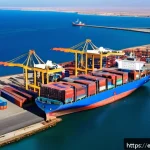
Let’s be candid: a common hurdle in many developing countries, including Eritrea, is often an underdeveloped transportation network and inconsistent access to utilities like electricity and water. I’ve heard stories, like many of you might, about the complexities this can pose for business operations. However, from my perspective, this isn’t a roadblock; it’s an opportunity. The Eritrean government is actively investing in critical infrastructure – roads, ports, and power stations are seeing development. For instance, the strategic location of ports like Massawa, with its potential to serve as a transit point for goods to the Middle East, Europe, and Asia, means that improvements here could significantly boost regional trade. This creates massive opportunities for businesses in construction, logistics, and even the development of advanced telecommunications facilities. Imagine being part of a project that not only improves connectivity but also lays the groundwork for future economic prosperity. It’s a chance to make a foundational impact, and for me, that’s incredibly appealing.
Local Support and Human Capital
What truly impresses me is the human element in Eritrea. There’s a young, eager population with a growing emphasis on education, particularly in technical and vocational areas. This means a workforce ready and willing to learn new skills. I’ve discovered programs like the Savings and Micro-Credit Programs (SMCP), which aim to provide financial access to individuals and small businesses, demonstrating an internal drive to foster entrepreneurship. For any foreign investor, understanding and tapping into this local talent pool is key. The investment proclamation even prioritizes the employment of Eritreans, with provisions for training nationals to eventually replace expatriate experts. This is smart, long-term thinking that builds sustainable growth. I also see a huge need for training centers focused on critical areas like renewable energy, digital media, hospitality, and agribusiness. By investing in human capital, we’re not just creating jobs; we’re empowering communities and building a skilled workforce that will drive Eritrea’s economy for generations to come. It’s about building partnerships and truly integrating with the local community, which, in my experience, is the recipe for enduring success.
Closing Thoughts
Whew, what a journey we’ve been on, right? Digging into Eritrea’s potential really gets the entrepreneurial spirit buzzing. It’s clear that this isn’t just another dot on the map; it’s a nation teeming with untapped opportunities, from the ground beneath our feet to the endless sky above. My biggest takeaway? Patience and a genuine desire to build strong, local relationships are your most valuable assets here. It’s not about quick wins, but about sustainable growth that truly empowers communities. I genuinely feel like we’re just scratching the surface of what’s possible, and for those ready to embrace the adventure, Eritrea offers a profoundly rewarding path forward.
Useful Information to Know
1. Understand the Local Business Culture: Relationships are key in Eritrea. Building trust and understanding local customs will smooth out many potential challenges and open doors you might not expect.
2. Research Specific Sectors: While mining and renewable energy are significant, delve deeper into niche opportunities within agriculture (like specialized crops) or tourism (unique cultural experiences).
3. Plan for Infrastructure: Be prepared for varying levels of infrastructure development. Factor in logistics and consider how you might contribute to improving local services through your investment.
4. Leverage Human Capital: Eritrea has a young, educated, and eager workforce. Investing in local training and employment not only makes good business sense but also fosters long-term community goodwill and development.
5. Seek Local Partnerships: Collaborating with Eritrean businesses or individuals can provide invaluable insights into the market, navigate regulations, and ensure your venture is culturally appropriate and sustainable.
Key Takeaways
Eritrea presents a unique and compelling investment landscape, rich in natural resources and human potential. While navigating its evolving regulatory environment requires a strategic approach and patience, the opportunities in mining, renewable energy, agriculture, tourism, and digital services are substantial for those committed to long-term, sustainable development. It’s a frontier where innovative thinking and community engagement can truly lead to transformative success.
Frequently Asked Questions (FAQ) 📖
Q: Alright, let’s get down to brass tacks. When you’re dreaming big about setting up shop in a place like Eritrea, it’s totally natural to wonder about the roadblocks, right? So, what are the biggest hurdles I might face when trying to set up a new business in Eritrea, and how can I best prepare for them?
A: This is such a crucial question, and honestly, it’s one I’ve dug into quite a bit myself. From my experience and everything I’ve learned, the Eritrean business landscape, while exciting, does come with its own set of unique hurdles.
The first thing you’ll likely notice is the bureaucratic process; it can be quite a maze, with government involvement in many economic sectors. Things like obtaining licenses and permits can sometimes feel slow and, shall we say, a bit paperwork-heavy, with business stamps being a necessity for almost every document.
Then there’s the infrastructure, which is still developing. You might encounter an underdeveloped transportation network and sometimes unreliable access to electricity and water in certain areas.
This can obviously make logistics tricky and impact your day-to-day operations. Another big one is navigating the financial system, specifically regarding foreign exchange and the repatriation of profits.
While the law often outlines the freedom to repatriate funds, the practicalities can be more complex due to currency controls and limitations on foreign currency access.
Some businesses also mention a lack of transparent regulatory processes and a need for a robust commercial code, which can make things feel a bit unpredictable.
So, how do you prepare for all this? My top tip, hands down, is to build strong, trustworthy local partnerships. Having a local team or partner who understands the cultural norms and business practices is invaluable for navigating the system and building trust, which is highly valued here.
I’d also recommend conducting thorough due diligence and being incredibly patient and flexible. It’s not a place for those looking for quick wins, but rather for those with a long-term vision and a willingness to adapt.
Understanding the local legal framework and potentially engaging with the Eritrean Investment Centre early on can also smooth out some of the complexities regarding incentives and licensing.
It’s all about having grit and the right network!
Q: Your insights are truly sparking my interest! Given these challenges, where exactly should an aspiring entrepreneur, like myself, be looking? Which sectors genuinely offer the most promising growth opportunities for a new venture in Eritrea right now?
A: Oh, this is where the excitement really kicks in! Despite the challenges, the potential is palpable if you know where to look. When I scanned the horizon, a few sectors consistently popped up on my radar as brimming with untapped opportunities, especially for those with vision and a smart approach.
First off, the mining sector is a powerhouse. Eritrea is seriously rich in natural resources, boasting significant deposits of gold, copper, zinc, potash, and other minerals.
We’re talking about a sector that already contributes significantly to the GDP, with major projects like the Bisha Mine already operating. For a new venture, this could mean opportunities in exploration, extraction, or even processing.
Then there’s agriculture and fisheries. With fertile lands suitable for various crops and a stunning Red Sea coastline teeming with marine life, these sectors are ripe for modernization and development.
Imagine ventures focused on improving irrigation, introducing high-yield crop varieties, or developing aquaculture projects. The potential for both local consumption and export, especially for high-value products, is immense.
And don’t even get me started on tourism! Asmara’s unique Art Deco architecture, a UNESCO World Heritage site, and the pristine Dahlak Archipelago offer incredible potential for hotels, resorts, eco-tourism, and cultural experiences.
For someone with a creative streak, developing unique travel packages or digital content platforms showcasing Eritrea’s rich culture could really take off.
Finally, renewable energy is a rising star. Given Eritrea’s abundant solar irradiance, wind resources, and geothermal potential, projects in solar installations, wind farms, or even solar-powered desalination for rural areas could be truly transformative and align with global sustainability trends.
The government has shown interest in developing these sectors, which is always a good sign. These aren’t just business opportunities; they’re chances to make a real impact, and that, to me, is incredibly exciting!
Q: That’s super insightful! It sounds like there’s definitely fertile ground for certain types of businesses. Now, on to the regulatory side of things: What does the Eritrean government’s stance on foreign investment look like, and what kind of support or incentives can entrepreneurs realistically expect?
A: Okay, let’s talk about the government’s role – it’s a significant piece of the puzzle, and understanding it can make all the difference. The Eritrean government officially “professes a desire” for more diversified foreign direct investment (FDI) and has stated commitments to a private sector-led development policy.
They’ve even got an Investment Proclamation (No. 59/1994) that generally declares all sectors open to investors, with some exceptions like domestic retail and wholesale trade, and import/commission agencies, unless a bilateral reciprocity agreement is in place.
Realistically, the government exerts considerable control over the economy, which means navigating a centralized system. For foreign investors, direct engagement with the Eritrean Investment Centre is absolutely key.
This center evaluates project viability and, if approved, issues investment certificates. In terms of incentives, the legal framework does mention some juicy benefits.
For priority sectors, you might find income tax exemptions for up to three years, and additional incentives if you invest in less-developed regions. There are also exemptions from customs duties on imported capital goods, machinery, and equipment.
The law also guarantees against nationalization without fair compensation and asserts the freedom to repatriate profits and dividends, which is a major point of interest for any international investor.
Plus, Eritrea has established Free Trade Zones in places like Massawa and Assab, offering streamlined customs and duty-free imports for export-oriented ventures.
However, and this is where my experience reminds me to be super practical, the actual implementation can sometimes be challenging due to the strict government control over the economy and financial systems.
Access to foreign currency and timely repatriation of funds can be areas where you need extra patience and strong relationships. So, while the policy outlines a supportive environment, prepare for direct negotiations and ongoing engagement with officials to truly realize these benefits.
It’s about being proactive and persistent!