Exploring 5 Surprising Insights into the Historical Ties Between Eritrea and Sudan

webmaster

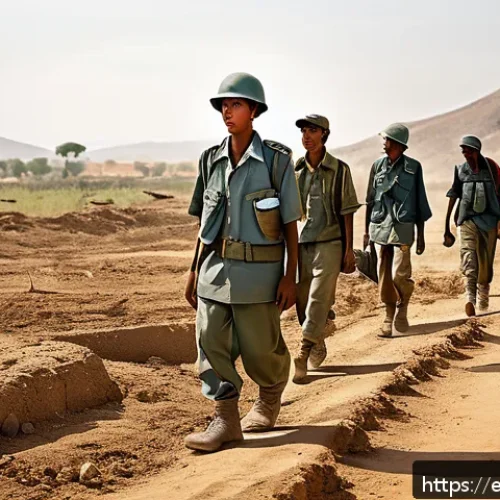
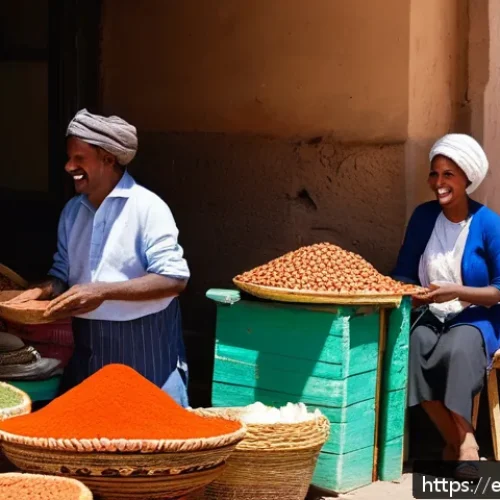
에리트레아와 수단의 역사적 관계 - A detailed scene depicting the historic port city of Massawa in Eritrea during the colonial era, sho...

Eritrea and Sudan share a complex history shaped by geography, colonial legacies, and shifting political dynamics. Their proximity along the Red Sea has fostered both cooperation and conflict over the years.

에리트레아와 수단의 역사적 관계 관련 이미지 1

From shared cultural ties to disputes influenced by regional powers, understanding their relationship sheds light on broader East African geopolitics.

Recent developments continue to impact their diplomatic and economic interactions in significant ways. Let’s dive deeper and explore the fascinating historical ties between Eritrea and Sudan.

Stay with me as we uncover the story behind their intertwined past!

Colonial Footprints and Territorial Shifts

The Italian and British Influence

The colonial era left a lasting imprint on Eritrea and Sudan, with Italy establishing Eritrea as a colony in the late 19th century, while Britain controlled Sudan.

This division created distinct administrative and social structures but also set the stage for future tensions. Italy’s focus on Eritrea’s port city, Massawa, contrasted sharply with British governance over Sudan’s vast interior.

These differing colonial legacies influenced how each nation developed politically and economically. For instance, Eritrea’s infrastructure was heavily developed around its coastal access, while Sudan’s policies were more centered on controlling the Nile and its hinterlands.

The colonial powers also fostered different ethnic and religious dynamics, which later played a role in regional conflicts and alliances.

Border Demarcations and Disputes

One of the most contentious outcomes of colonial rule was the unclear and often disputed border between Eritrea and Sudan. The arbitrary lines drawn without regard to ethnic or tribal boundaries led to overlapping claims and occasional skirmishes.

The border region, particularly areas near the Red Sea and along the western frontier of Eritrea, became zones of tension. Both countries have, at times, accused each other of harboring rebels or interfering in internal affairs.

These disputes have been exacerbated by the lack of clear demarcation following independence, fueling mistrust. Efforts to negotiate and resolve border issues have been ongoing but remain fragile, influenced heavily by shifting alliances and regional power plays.

Legacy of Colonial Administrative Systems

The colonial period implanted administrative systems that continued to affect governance post-independence. Eritrea’s experience under Italian rule introduced a centralized bureaucratic style, which contrasted with Sudan’s British-influenced federal and tribal governance approaches.

This divergence impacted how each country managed ethnic diversity and political dissent. For example, Sudan’s federal system often struggled to integrate diverse groups, contributing to internal conflicts like the Darfur crisis, while Eritrea maintained a more unitary system with strict state control.

These historical administrative differences have shaped current political structures and approaches to national identity, influencing how Eritrea and Sudan interact diplomatically.

Advertisement

Shared Cultural and Social Bonds

Ethnic and Religious Overlaps

Despite political differences, Eritrea and Sudan share significant cultural ties, particularly among border communities. Ethnic groups such as the Beja and Rashaida straddle both sides, maintaining cross-border familial and tribal connections.

These communities often share languages, customs, and religious practices, predominantly Islam and Christianity, which serve as bridges across national divides.

The blending of cultures along the border has fostered a degree of mutual understanding and informal cooperation, especially in trade and social exchanges.

These deep-rooted ties sometimes ease tensions, as local populations prioritize coexistence over political disputes.

Trade and Cross-Border Interaction

Informal trade routes have long connected Sudanese and Eritrean border towns, with goods, livestock, and services moving relatively freely despite official restrictions.

Markets in border regions thrive on this cross-pollination, benefiting local economies and creating interdependencies. For instance, Eritrean traders often rely on Sudanese supplies for essential goods, while Sudanese pastoralists access grazing lands in Eritrea.

This symbiotic relationship is vital for communities that might otherwise suffer from isolation or economic hardship. However, political instability and border closures occasionally disrupt these flows, causing hardships that ripple through both societies.

Migration Patterns and Refugee Movements

Political instability in both countries has resulted in complex migration dynamics. Sudan has hosted Eritrean refugees fleeing conflict and repression, while Eritrean nationals also move into Sudan seeking economic opportunities.

These movements have created mixed communities and sometimes tensions, particularly in refugee camps where resources are scarce. Additionally, Eritrean returnees from Sudan have influenced social and political life back home.

Migration thus acts as both a challenge and a bridge, with humanitarian and security implications for both states. Understanding these patterns is crucial to grasping the ongoing human dimension of Eritrea-Sudan relations.

Advertisement

Geopolitical Rivalries and Regional Alliances

Influence of External Powers

The geopolitical chessboard of the Horn of Africa has seen Eritrea and Sudan influenced by various global and regional actors. Countries like Egypt, Ethiopia, Saudi Arabia, and the United Arab Emirates have all played roles, sometimes backing different factions or governments within Sudan and Eritrea to secure strategic interests.

For example, control over Red Sea access and maritime routes has drawn external players into the Eritrea-Sudan dynamic, complicating bilateral relations.

These involvements often translate into proxy conflicts or diplomatic pressures, making the relationship between the two neighbors a reflection of broader regional power struggles.

Shifts in Sudan’s Political Landscape

Sudan’s recent political upheavals, including the ousting of long-time leader Omar al-Bashir and ongoing military-civilian tensions, have impacted its stance toward Eritrea.

The transitional government and subsequent military authorities have alternated between cooperation and confrontation with Eritrea, depending on internal priorities and alliances.

Eritrea’s support or opposition to various Sudanese factions has affected cross-border security and economic ties. These shifting dynamics illustrate how domestic politics in Sudan reverberate across borders, influencing regional stability and bilateral engagement.

Security Challenges and Military Cooperation

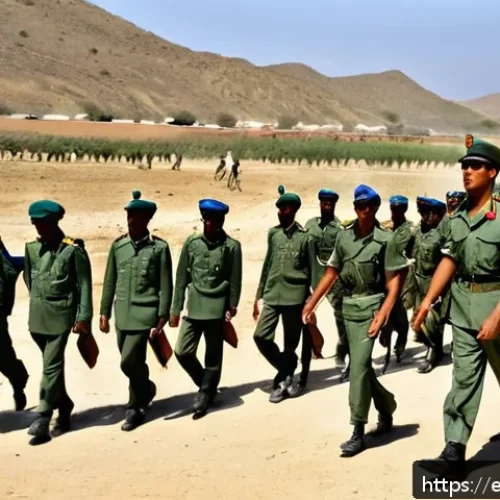
Both countries face security threats from armed groups, border banditry, and insurgencies, which have occasionally pushed them toward cooperation. Joint patrols and intelligence sharing have been reported, especially concerning the Red Sea coast and contested border areas.

However, mistrust lingers due to past accusations of harboring rebel groups. Military cooperation remains cautious and often pragmatic, driven more by immediate security needs than by long-term strategic partnership.

The interplay between competition and collaboration in security matters continues to define much of their relationship.

Advertisement

Economic Interactions and Development Prospects

Trade Potential and Barriers

Eritrea and Sudan have considerable potential for mutually beneficial trade, especially given their geographic proximity and complementary economies. Eritrea’s access to the Red Sea offers Sudan a valuable outlet for imports and exports, while Sudan’s agricultural and livestock products can supply Eritrean markets.

Nonetheless, political tensions, border controls, and infrastructure challenges limit the full realization of this potential. Customs regulations and occasional border closures disrupt supply chains, discouraging investment and trade expansion.

Improving these aspects could unlock significant economic benefits for both countries.

Infrastructure and Connectivity Projects

에리트레아와 수단의 역사적 관계 관련 이미지 2

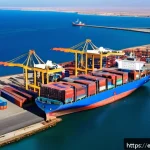
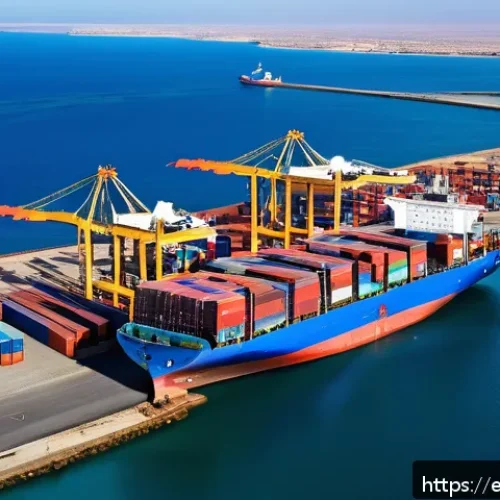
Recent years have seen discussions about enhancing connectivity through road, port, and energy projects linking Eritrea and Sudan. For example, expanding the Port of Massawa’s capacity and improving road networks could facilitate smoother trade flows.

There have also been proposals for joint ventures in electricity generation and water resource management. These initiatives, if successfully implemented, would not only boost bilateral economic ties but also contribute to regional integration.

However, political will and stability are critical to turning these plans into reality.

Challenges from Sanctions and Regional Instability

Both Eritrea and Sudan have faced international sanctions and economic restrictions at various times, which complicate trade and investment. Sanctions related to political conflicts or human rights concerns limit access to global financial markets and deter foreign investors.

Additionally, ongoing regional instability, including conflicts in neighboring Ethiopia and Yemen, creates uncertainty that spills over into economic planning.

These factors combine to constrain the development prospects of both nations and require careful navigation to foster sustainable growth.

Advertisement

Humanitarian Concerns and Refugee Issues

Cross-Border Refugee Flows

The Eritrea-Sudan border region has been a hotspot for refugee movements, often driven by conflict, political repression, and economic hardship. Sudan hosts tens of thousands of Eritrean refugees, many of whom live in camps along the border or in urban centers.

These refugees face challenges such as limited access to services, employment difficulties, and occasional tensions with host communities. The situation remains fluid, as changes in either country’s political climate can trigger new waves of displacement, putting pressure on humanitarian organizations and local resources.

Impact on Local Communities

The influx of refugees and migrants affects local populations in border areas in complex ways. While refugees bring new skills, labor, and cultural diversity, they also compete for scarce resources like water, land, and jobs.

This can lead to friction and requires careful management by authorities and aid agencies. Some communities have developed systems of coexistence and support, but others remain vulnerable to outbreaks of conflict.

Understanding these dynamics is essential for crafting policies that balance humanitarian needs with local interests.

International Aid and Cooperation Efforts

International organizations and NGOs play a vital role in addressing the humanitarian needs arising from Eritrea-Sudan dynamics. Programs focus on food security, healthcare, education, and protection for displaced populations.

Coordination between Eritrean and Sudanese authorities and external actors is crucial for effective aid delivery. However, political sensitivities and security concerns sometimes hinder access and implementation.

Strengthening collaboration and ensuring sustained funding are ongoing challenges that affect the well-being of vulnerable communities on both sides of the border.

Advertisement

Environmental and Resource Management Issues

Shared Water Resources and Challenges

The Nile Basin and other transboundary water sources link Eritrea and Sudan, making water management a critical concern. Both countries depend on these resources for agriculture, drinking water, and energy production.

However, competing demands and climate change-related pressures, such as droughts and floods, complicate cooperation. Effective joint management mechanisms are limited, increasing the risk of disputes.

Sustainable approaches to water use could not only prevent conflicts but also promote regional stability and development.

Desertification and Land Degradation

Environmental degradation affects large parts of the Eritrea-Sudan border area, with desertification threatening livelihoods, especially for pastoralist communities.

Overgrazing, deforestation, and erratic rainfall patterns contribute to soil erosion and reduced agricultural productivity. These challenges exacerbate poverty and food insecurity, potentially fueling migration and conflict.

Collaborative environmental initiatives, including reforestation and sustainable land use programs, are essential to mitigate these impacts and support resilience among vulnerable populations.

Opportunities for Regional Environmental Cooperation

There is growing recognition of the need for coordinated environmental policies between Eritrea and Sudan. Joint projects focusing on conservation, renewable energy, and climate adaptation offer promising avenues for cooperation.

For example, shared solar energy initiatives could harness the region’s abundant sunlight to provide power while reducing reliance on fossil fuels. Cross-border environmental agreements could also improve disaster response and resource sharing.

These efforts would not only address ecological concerns but also build trust and interdependence between the two nations.

Aspect Eritrea Sudan
Colonial Legacy Italian colony with centralized governance British condominium with federal structure
Border Issues Disputed western and coastal borders Contested border with Eritrea, occasional skirmishes
Ethnic Groups Beja, Rashaida, Tigrinya and others Beja, Rashaida, Nubians and others
Economic Strengths Port access, maritime trade potential Agriculture, livestock, and vast land resources
Political Stability Authoritarian regime, limited political freedoms Recent upheavals, transitional government struggles
Refugee Situation Source of refugees, some returnees Host to Eritrean refugees, internal displacement issues
Environmental Challenges Desertification, water scarcity Desertification, Nile Basin management issues
Advertisement

글을 마치며

The complex relationship between Eritrea and Sudan is shaped by a shared history of colonial influence, intertwined cultural ties, and ongoing geopolitical challenges. Despite border disputes and political instability, both nations have potential for cooperation in trade, security, and environmental management. Understanding their past and present dynamics is key to fostering a more stable and prosperous future in this strategically important region.

Advertisement

알아두면 쓸모 있는 정보

1. Eritrea was primarily colonized by Italy, which influenced its centralized governance and coastal development, while Sudan’s British colonial past fostered a federal and tribal administrative system.

2. The Eritrea-Sudan border remains a source of tension due to vague colonial-era demarcations, resulting in overlapping claims and occasional conflicts.

3. Shared ethnic groups like the Beja and Rashaida communities maintain cross-border cultural and religious connections, helping to ease local tensions despite national disputes.

4. Economic ties are promising but hindered by political instability, with Eritrea’s ports offering Sudan vital access to maritime trade routes.

5. Refugee flows and environmental challenges such as desertification require coordinated humanitarian and ecological responses to support border communities effectively.

Advertisement

중요 사항 정리

The historical colonial legacies of Italy and Britain have left Eritrea and Sudan with differing governance models and ongoing border issues. Their intertwined ethnic and cultural bonds create both opportunities and challenges, especially in trade and migration. Geopolitical rivalries and internal political shifts significantly impact bilateral relations, while shared environmental and humanitarian concerns call for enhanced cooperation. Addressing these complexities with a balanced approach is essential for sustainable peace and development in the region.

Frequently Asked Questions (FAQ) 📖

Q: How have colonial legacies influenced the relationship between Eritrea and Sudan?

A: Colonial legacies have played a significant role in shaping the Eritrea-Sudan relationship. Eritrea was colonized by Italy, and later under British administration before gaining independence, while Sudan was under joint British-Egyptian rule.
These differing colonial powers created distinct political and administrative systems, which influenced how the two nations developed their national identities and governance structures.
The borders drawn during colonial times often ignored ethnic and cultural realities, leading to tensions and disputes that persist today. Additionally, the colonial experience affected their diplomatic alignments and regional alliances, sometimes putting them at odds but also laying groundwork for cooperation based on shared post-colonial challenges.

Q: What are the main sources of cooperation and conflict between Eritrea and Sudan?

A: Eritrea and Sudan have a history marked by both cooperation and conflict, often influenced by their strategic location along the Red Sea. Cooperation typically arises from shared cultural ties, trade interests, and mutual security concerns, such as managing cross-border movement and combating regional instability.
For example, both countries have collaborated on controlling the flow of refugees and combating smuggling. On the flip side, conflicts have emerged due to border disputes, political interference, and competition for influence in the Horn of Africa.
Regional powers sometimes exacerbate these tensions by supporting opposing factions or agendas within each country, making the relationship complex and fluid.

Q: How do recent developments affect Eritrea and Sudan’s diplomatic and economic relations?

A: Recent developments, including political changes and regional dynamics, have significantly impacted Eritrea and Sudan’s diplomatic and economic relations.
Sudan’s ongoing political transition and internal conflicts have created both challenges and opportunities for Eritrea. At times, Eritrea has offered support or acted as a mediator, while also safeguarding its own security interests.
Economically, both countries benefit from trade routes that connect the Red Sea to inland Africa, so stability is crucial for commerce. Moreover, international efforts to stabilize the region, including initiatives to resolve conflicts and promote economic integration, have encouraged more diplomatic engagement between Eritrea and Sudan.
However, fluctuating alliances and unresolved disputes mean their relationship remains cautiously balanced.

📚 References


➤ Link

– Google Search

➤ Link

– Bing Search

➤ Link

– Google Search

➤ Link

– Bing Search

➤ Link

– Google Search

➤ Link

– Bing Search

➤ Link

– Google Search

➤ Link

– Bing Search

➤ Link

– Google Search

➤ Link

– Bing Search

➤ Link

– Google Search

➤ Link

– Bing Search

➤ Link

– Google Search

➤ Link

– Bing Search
Advertisement