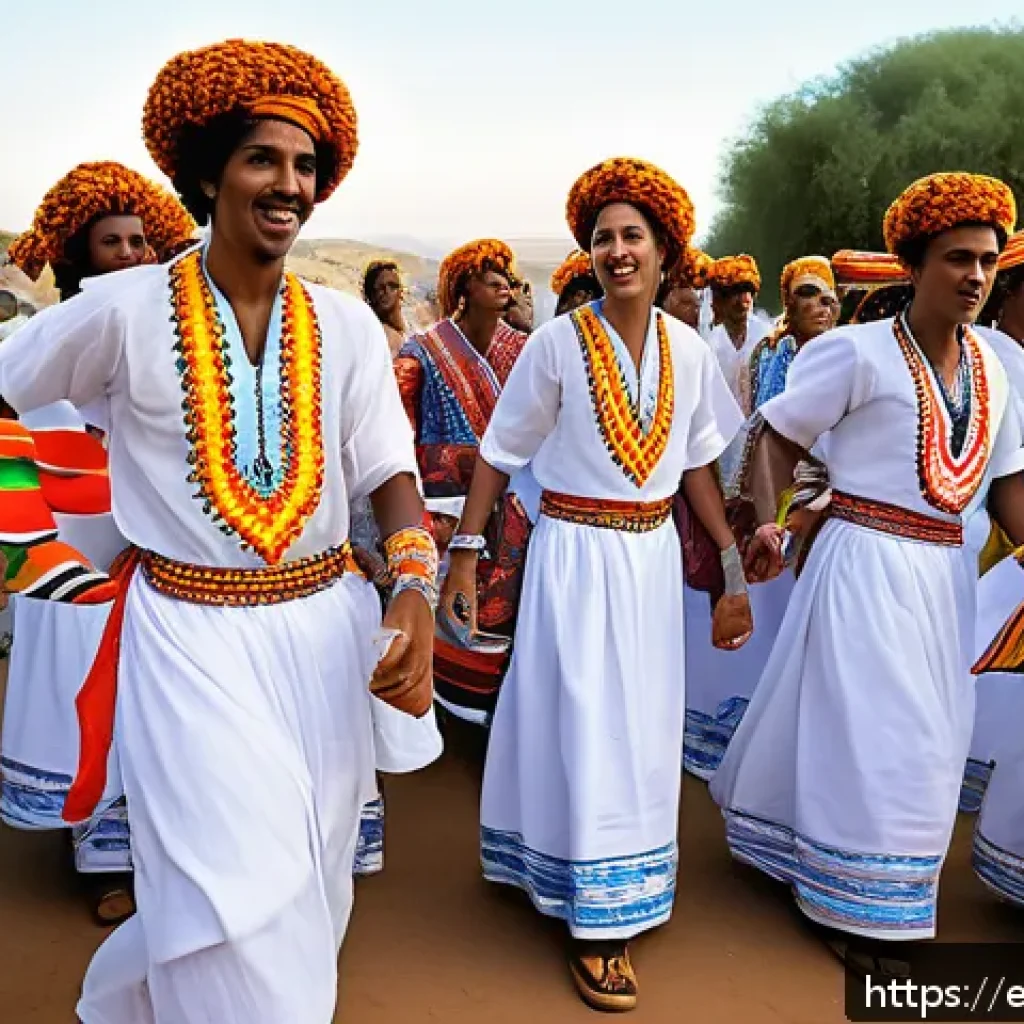
In a world where cultural expressions are increasingly celebrated, Eritrea’s traditional dance stands out as a vibrant testament to its rich heritage.
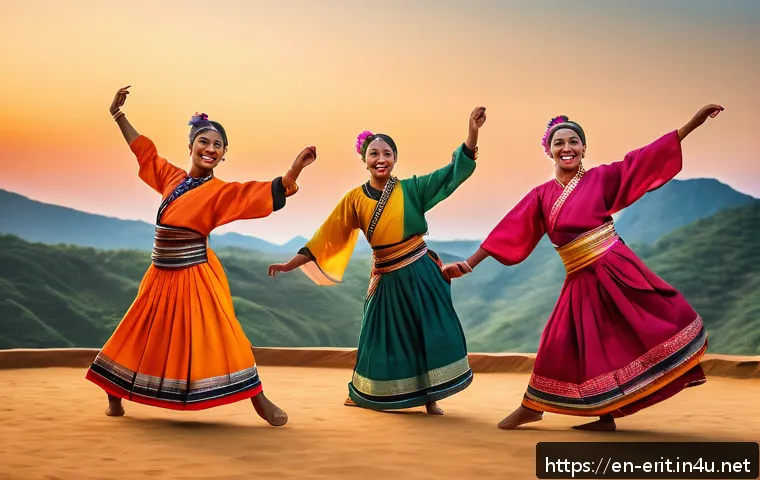
As global interest in authentic cultural experiences grows, exploring these rhythmic movements offers a unique window into Eritrea’s history and community spirit.
Whether you’re a dance enthusiast or a curious traveler, understanding these dances reveals stories passed down through generations. Join me as we dive into the captivating beats and graceful steps that keep Eritrea’s culture alive today.
This journey promises not only entertainment but a deeper connection to a remarkable tradition.
Roots and Rhythms: Understanding the Foundations
The Cultural Tapestry Behind the Movements
Eritrean traditional dance is not just about rhythm and movement; it’s a living archive of the country’s diverse ethnic groups. Each dance style reflects the unique customs, beliefs, and histories of communities like the Tigrinya, Saho, and Tigre peoples.
When you watch these dances, you’re essentially witnessing a narrative of resilience, celebration, and identity that has been preserved through oral tradition and communal participation.
The steps, costumes, and even the songs that accompany the dances are imbued with symbolism—whether it’s a gesture honoring ancestors or a sequence that marks important life events like weddings and harvests.
The Role of Music and Instruments in Dance
Music is inseparable from Eritrean dance, providing the heartbeat that guides every step. Traditional instruments such as the krar (a lyre-like string instrument), the kebero (a type of drum), and the wata (a violin-like instrument) create an intricate soundscape that energizes both dancers and spectators.
The tempo and rhythm fluctuate to match the mood of the dance, whether it’s a slow, graceful movement or a fast, celebratory stomp. This dynamic interplay between music and movement is what makes the experience so immersive and emotionally powerful.
Community Participation and Social Connection
What makes Eritrean dance truly special is its role in community bonding. These dances are rarely solo performances; they’re collective expressions where everyone from elders to children can join in.
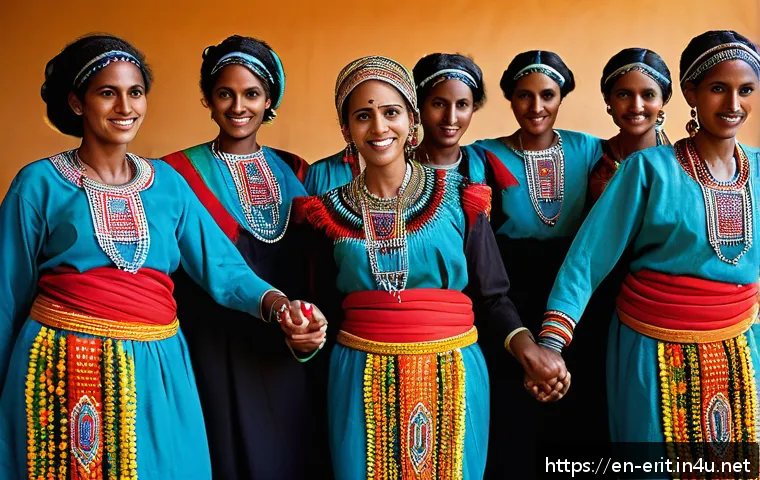
It’s common to see circles forming, hands clasped, as dancers synchronize their movements in unison. This shared participation reinforces social ties and a sense of belonging.
From my experience attending a local festival, I noticed how dance created an atmosphere of joy and unity—people from all walks of life coming together to celebrate their shared heritage.
Distinctive Dance Styles and Their Unique Flavors
“Tigrigna”: The Signature Dance of Eritrea
Tigrigna dance, often considered the flagship style of Eritrean traditional dance, is characterized by its shoulder movements and rhythmic footwork. The dance emphasizes fluidity and precision, with dancers often moving in pairs or small groups.
What fascinated me was how the dance’s tempo could shift seamlessly from slow and contemplative to lively and spirited, reflecting the emotional depth of the accompanying songs.
This style is deeply embedded in Tigrinya culture and is frequently performed during weddings and community celebrations.
The Energetic Steps of Saho and Tigre Dances
Compared to the measured elegance of Tigrigna, Saho and Tigre dances tend to be more exuberant and fast-paced. These dances often involve vigorous hip and arm movements, with dancers sometimes incorporating jumps and spins that require great stamina.
The dances are a testament to the vibrant spirit of the northern and eastern regions of Eritrea, where these ethnic groups predominantly reside. Watching these performances, I was struck by the raw energy and enthusiasm that seemed to electrify the entire gathering.
Women’s Dance Traditions and Their Symbolism
Women’s dances in Eritrea often carry special significance, emphasizing grace, modesty, and the celebration of womanhood. These dances may include intricate hand gestures and subtle foot patterns that tell stories of fertility, love, and family ties.
The costumes worn by female dancers are usually adorned with colorful beads and embroidery, adding visual richness to the performance. From attending a wedding ceremony, I observed how women’s dances serve both as entertainment and as a way to pass down cultural values from one generation to the next.
Traditional Attire and Its Role in Dance Performance
The Significance of Clothing and Accessories
The costumes worn during Eritrean traditional dances are more than just decorative; they’re a critical part of the storytelling. White cotton dresses embroidered with vibrant patterns, known locally as zurias, are common among female dancers.
Men often wear tunics paired with shawls or sashes that complement the overall aesthetic. Accessories like beaded necklaces, bracelets, and headpieces not only enhance the visual appeal but also signify social status, marital status, or regional origin.
When I participated in a dance workshop, the moment I donned the traditional attire, I felt an immediate connection to the culture and history embedded in the fabric.
How Movement and Costume Interact
The flow of the clothing enhances the dancers’ movements, creating an almost hypnotic effect. For example, the swirling of a zuria during a spin accentuates the dancer’s grace, while the rhythmic jingling of beads adds an auditory layer to the performance.
This interplay between costume and movement adds depth to the dance, making it a feast for both the eyes and ears. It’s an element often overlooked but vital in fully appreciating the artistry involved.
Preservation and Modern Adaptations
While many traditional dances and costumes remain unchanged, there is also a growing trend of blending old styles with contemporary influences. Some young Eritrean artists incorporate modern fabrics or fuse traditional dance steps with new music genres, creating a fresh yet respectful homage to their roots.
From what I’ve seen in cultural festivals outside Eritrea, this evolution helps keep the tradition alive and relevant, especially among younger generations who might otherwise feel disconnected from their heritage.
Celebratory Occasions and Their Dance Rituals
Weddings: The Heartbeat of Community Dance
Weddings in Eritrea are among the most vibrant occasions where dance takes center stage. The entire community gathers to celebrate not just the union of two people but the continuity of cultural traditions.
Dances performed at weddings are often lengthy, energetic, and filled with symbolic gestures that bless the couple’s future. I remember attending one such wedding where the dance floor became a lively arena of joy and laughter, with everyone—from toddlers to grandparents—joining in the festivities.
Religious and Seasonal Festivals
Certain religious holidays and agricultural cycles also call for specific dances. For example, during Meskel, a major Christian festival, communities perform dances that blend spiritual reverence with communal celebration.
Similarly, harvest festivals feature dances that express gratitude for nature’s bounty. These dances are often accompanied by traditional songs praising divine blessings and community solidarity.
Participating in these events gave me a profound appreciation for how dance is woven into the fabric of Eritrean life, marking not just social but spiritual milestones.
Rites of Passage and Cultural Continuity
Many dances serve as rites of passage, marking important transitions such as coming-of-age ceremonies or warrior initiations. These dances are often more formal and ritualistic, involving specific choreography and music that convey the gravity of the occasion.
Observing such dances firsthand, I noticed the deep respect and solemnity that surrounds them, underscoring their role in cultural preservation and identity reinforcement.
Dance as a Bridge Between Generations
Teaching and Learning Within Families
In Eritrea, dance is commonly passed down from parents to children through informal yet intentional teaching. Grandparents often recount stories while guiding youngsters through steps and rhythms, making the learning process a bonding experience.
From personal conversations with Eritrean families, I learned that this oral and physical transmission of dance is a cherished tradition that ensures cultural continuity even amid modern challenges.
Community Workshops and Public Performances
Beyond family settings, public dance workshops and performances play a crucial role in keeping traditional dance alive. These events provide a platform for younger generations to engage with their heritage actively.
I had the opportunity to attend a workshop organized by Eritrean cultural groups abroad, where participants from diverse backgrounds came together to learn and celebrate these dances.
The enthusiasm and pride on everyone’s faces were palpable, highlighting dance’s power as a cultural connector.
Global Influence and the Diaspora’s Role
The Eritrean diaspora has become instrumental in promoting traditional dance on the international stage. Through cultural festivals, social media, and educational programs, they introduce these dances to wider audiences, fostering cross-cultural understanding.
My interactions with diaspora members revealed a strong desire to maintain their roots while adapting to new environments, using dance as a vibrant expression of identity and resilience.
Essential Elements of Eritrean Dance Movements
Footwork Patterns and Their Meanings
Footwork in Eritrean dance is intricate and purposeful. Often involving quick, rhythmic steps combined with stamping, it serves both aesthetic and communicative functions.
These patterns vary significantly across regions and occasions, each telling a different story or symbolizing various emotions. For instance, a steady, grounded step may express solemnity, while rapid movements convey excitement or celebration.
When I tried mimicking these steps, it became clear how much precision and practice they require.
Upper Body and Hand Gestures
The upper body, especially the shoulders and hands, plays a vital role in conveying emotion and narrative in Eritrean dance. Shoulder shaking, arm waving, and hand clapping are common elements that add texture and emphasis to the performance.
These gestures often mimic everyday actions or symbolic acts, such as greeting, blessing, or storytelling. During a cultural event, I noticed how dancers use subtle head tilts and eye movements to enhance their expressiveness, adding layers of meaning beyond the physical steps.
Synchrony and Improvisation
While many dances involve synchronized group movements, there is also room for improvisation, allowing dancers to showcase personal flair and creativity.
This balance between structure and freedom makes each performance unique and engaging. I found this aspect particularly fascinating because it demonstrates how tradition and individuality coexist harmoniously within Eritrean dance culture.
Key Dance Styles and Their Characteristics
| Dance Style | Region/Ethnic Group | Distinctive Features | Typical Occasion |
|---|---|---|---|
| Tigrigna | Tigrinya People | Graceful shoulder movements, rhythmic footwork, fluid tempo shifts | Weddings, community celebrations |
| Saho | Saho People | Energetic hip and arm movements, fast-paced, vigorous jumps | Harvest festivals, social gatherings |
| Tigre | Tigre People | Dynamic foot stamping, lively spins, communal circle dances | Religious festivals, rites of passage |
| Women’s Traditional Dance | Various groups | Delicate hand gestures, colorful costumes, symbolic storytelling | Weddings, fertility ceremonies |
In Conclusion
Eritrean traditional dance is a vibrant expression of cultural identity, history, and community spirit. Through its rich movements, music, and costumes, it tells stories that have been cherished and passed down for generations. Experiencing these dances offers a unique window into Eritrea’s diverse heritage and the deep connections that bind its people together. Whether performed at celebrations or rites of passage, the dances remain a living testament to resilience and joy.
Useful Information to Keep in Mind
1. Eritrean dance styles vary widely, each reflecting the customs and emotions of different ethnic groups, making every performance unique and meaningful.
2. Music and traditional instruments are integral to the dance experience, shaping the rhythm and mood that guide the movements.
3. Community participation is essential; these dances foster social bonds and a shared sense of identity among all ages.
4. Traditional attire not only enhances visual beauty but also carries symbolic meanings linked to status, region, and cultural stories.
5. Modern adaptations and diaspora efforts play a vital role in preserving and evolving Eritrean dance, ensuring its relevance for future generations.
Key Takeaways
Understanding Eritrean dance requires appreciating its cultural roots, the importance of music, and the communal nature of the performances. Each dance style has distinct characteristics that reflect the history and values of specific ethnic groups. The costumes and gestures are more than decorative—they are storytelling tools. Finally, ongoing efforts to teach, adapt, and share these traditions globally help keep Eritrean dance alive and thriving.
Frequently Asked Questions (FAQ) 📖
Q: What are the main types of traditional dances in Eritrea and what do they represent?
A: Eritrea’s traditional dances vary across its diverse ethnic groups, but some of the most prominent include the Tigrinya dance, the Saho dance, and the Afar dance.
Each style reflects unique cultural stories, social values, and historical experiences. For example, the Tigrinya dance often features graceful shoulder movements and is performed during celebrations like weddings, symbolizing joy and community unity.
These dances are not just performances; they are living narratives that preserve Eritrea’s rich heritage and strengthen social bonds.
Q: How can travelers respectfully experience Eritrean traditional dance?
A: To genuinely appreciate Eritrean dance, it’s important to approach it with respect and openness. Many local festivals and cultural events welcome visitors who want to observe or even participate.
When joining in, follow the lead of locals and pay attention to the cultural context—dancing here is often tied to significant ceremonies or communal gatherings.
Taking part shows appreciation, but be mindful of the customs and avoid interrupting sacred or private rituals. Engaging with local guides or cultural organizations can enrich the experience and deepen understanding.
Q: Why is traditional dance important for Eritrean communities today?
A: Traditional dance in Eritrea plays a crucial role in maintaining cultural identity, especially among younger generations who face the influences of globalization.
It’s a way to celebrate history, express emotions, and reinforce social cohesion. Personally, I’ve seen how dance acts as a bridge between elders and youth, passing down stories and values in a vibrant, interactive form.
Beyond entertainment, these dances offer a sense of pride and continuity, helping communities preserve their unique heritage in a rapidly changing world.