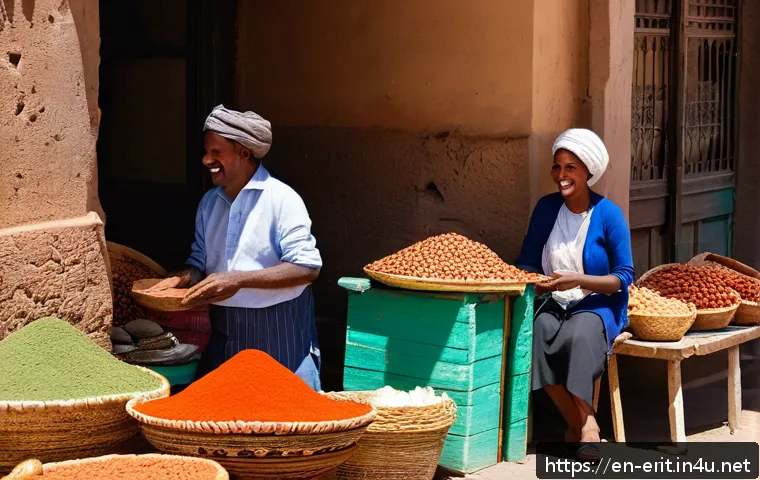
In a world where global human rights discussions often spotlight high-profile conflicts, Eritrea’s ongoing crisis remains largely under the radar. Recent reports have shed light on alarming abuses that demand urgent attention, yet many remain unaware of the severity and complexity involved.
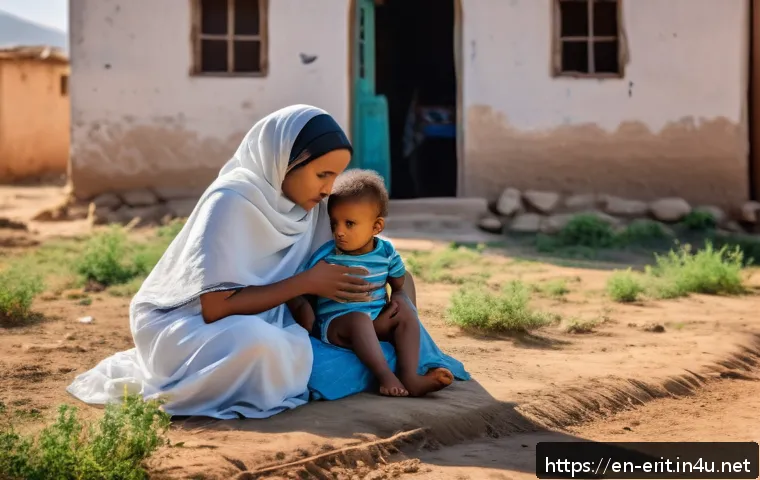
If you’ve ever wondered why this small nation rarely makes headlines, now is the time to understand the realities shaping its people’s lives. Let’s delve into the hidden struggles and uncover what the international community must know today.
This isn’t just news—it’s a call to awareness that could change perspectives.
The Unseen Impact of National Service on Daily Life
Endless Conscription and Its Human Cost
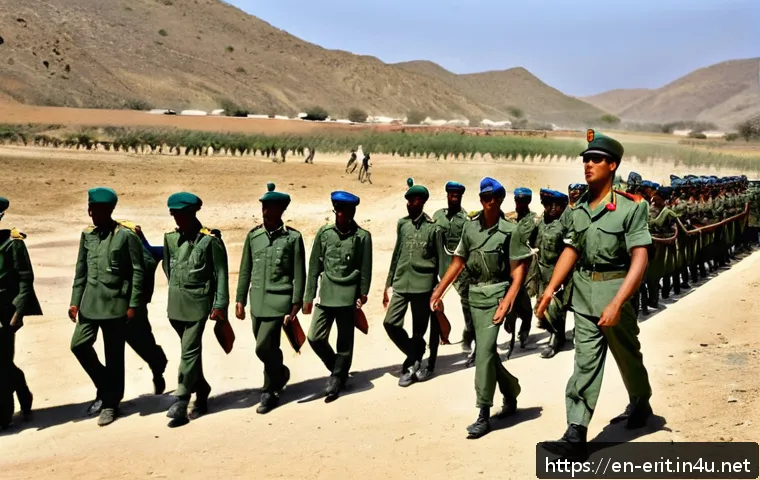
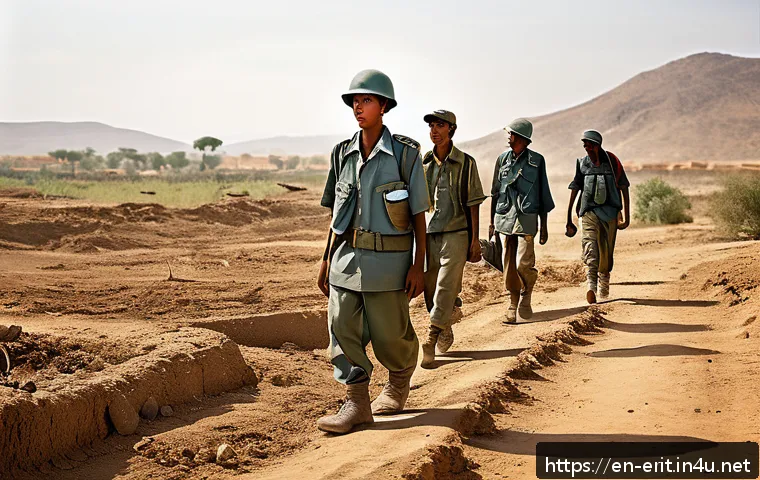
One of the most pressing issues that often escapes international attention is Eritrea’s mandatory national service, which essentially traps its citizens in indefinite conscription.
Unlike typical military service in many countries that lasts for a limited period, Eritrean national service can stretch for years, sometimes decades.
This system leaves young people stuck with no clear end in sight, unable to pursue education, careers, or family life. I’ve spoken with Eritreans who described the crushing frustration and despair that come with this indefinite service—it’s not just a duty, but a barrier to personal growth and freedom.
The psychological toll is immense, with many suffering from exhaustion, trauma, and a pervasive sense of hopelessness.
The Economic Fallout from Forced Labor
The national service program often doubles as forced labor, where conscripts work in harsh conditions on government-run farms, construction projects, or factories with little or no pay.
This exploitation drains the country’s human capital and stifles economic development. From what I gathered in firsthand accounts, the lack of fair wages and harsh working environments create a cycle of poverty that affects not just the conscripts but their families as well.
It’s a silent crisis—while the world focuses on more visible conflicts, millions endure economic hardship fueled by this system. The absence of economic freedom and opportunity pushes many to risk dangerous escapes abroad, adding another layer to the crisis.
Social Disintegration and Family Struggles
The indefinite conscription fractures families and communities. Parents often lose contact with their children for years, while young people miss critical stages of life, including education and forming relationships.
The emotional pain of separation is compounded by the uncertainty of return. Many Eritrean families live with the constant fear of never seeing their loved ones again, a trauma that reverberates through generations.
It’s heartbreaking to hear stories of siblings who grew up without their brothers or sisters, or children raised by grandparents because parents are caught in national service.
This social disintegration weakens the fabric of society and perpetuates a cycle of despair.
Systematic Restrictions on Freedom and Expression
Suppression of Political Dissent
Eritrea is often described as one of the most repressive states in the world, and for good reason. The government maintains strict control over political expression, with no tolerance for opposition or criticism.
Those who dare to speak out face harassment, imprisonment, or worse. What’s striking from interviews and reports I’ve reviewed is the almost total absence of independent media or civil society organizations.
People live in a climate of fear, where even casual conversations can lead to arrest. The chilling effect on free speech not only stifles democracy but also isolates Eritrea from the global community.
Religious Persecution and Minority Marginalization
Religious freedom is severely curtailed, particularly for groups not recognized by the state. Many believers face detention, forced conversion attempts, or exclusion from public life.
I found it revealing how deeply these policies affect ordinary people’s spiritual lives and community bonds. Minority religious groups often practice in secret, risking harsh penalties.
This persecution exacerbates social tensions and deepens feelings of alienation among marginalized communities. It’s a facet of the crisis that rarely makes headlines but profoundly impacts daily life for many Eritreans.
The Role of International Silence
Despite the severity of these abuses, Eritrea remains largely overlooked by the international media and human rights organizations. The lack of reliable information and restricted access complicates efforts to raise awareness.
From my experience following this issue closely, this silence isn’t accidental—it reflects geopolitical complexities and a lack of strategic interest from major powers.
Unfortunately, this means the Eritrean people’s suffering often goes unnoticed, with limited pressure on the government to reform. Breaking this silence is crucial for any hope of change.
Gendered Dimensions of Oppression
Women’s Unique Struggles Under National Service
Women in Eritrea face a double burden. Like men, they are subject to national service but also encounter gender-specific abuses, including sexual violence and discrimination.
Stories shared by Eritrean women reveal a grim reality where their safety and rights are routinely compromised. Many are forced into exploitative situations under the guise of service, with little recourse or protection.
These experiences not only harm individuals but also have broader social implications, limiting women’s participation in public life and economic activities.
Barriers to Education and Empowerment
Education is a critical pathway out of poverty and oppression, yet Eritrean girls and women often face systemic barriers. The prolonged conscription disrupts schooling, and societal norms further restrict opportunities for female advancement.
From what I’ve learned, many girls drop out early due to family pressures, economic hardship, or the need to care for relatives. This perpetuates cycles of illiteracy and economic dependency.
Efforts to promote gender equality are stifled by the authoritarian context, leaving women marginalized and voiceless.
Community Resilience and Women’s Leadership
Despite these challenges, Eritrean women demonstrate remarkable resilience. In diaspora communities especially, women have taken on leadership roles, advocating for human rights and providing support networks.
Their stories are inspiring and highlight a path forward rooted in empowerment and solidarity. Listening to these voices shows that change is possible, even in the most repressive environments.
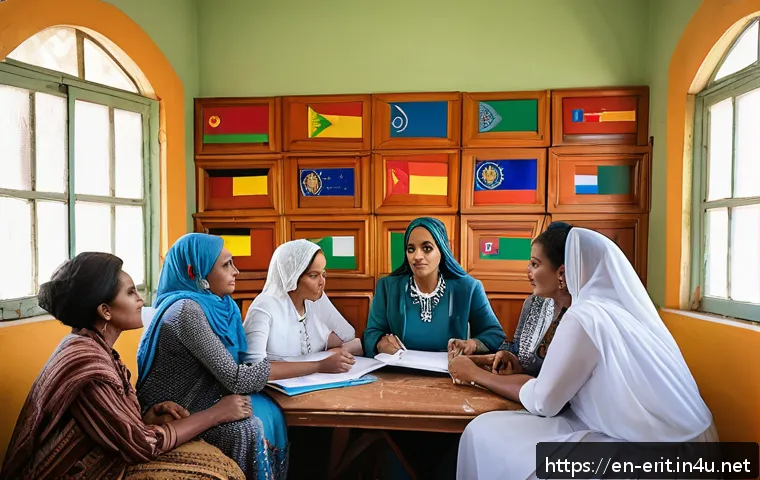
Supporting these grassroots efforts is essential to fostering long-term progress.
The Human Cost of Restricted Migration
Desperate Journeys and Risky Escapes
Faced with limited freedoms and bleak prospects, many Eritreans attempt perilous journeys to escape. From the accounts I’ve encountered, these migrations are fraught with danger—from crossing deserts to navigating hostile borders, many risk their lives to find safety elsewhere.
What’s often overlooked is the motivation behind these journeys: a desperate search for dignity and opportunity denied at home. The international community tends to focus on migration numbers rather than the human stories behind them, missing the root causes.
The Role of Refugee Camps and Host Countries
Neighboring countries host large populations of Eritrean refugees, often in overcrowded and under-resourced camps. Conditions in these camps can be harsh, with limited access to healthcare, education, or employment.
Refugees face uncertain futures, caught between the desire to return home and the reality of ongoing oppression. From conversations with aid workers, it’s clear that improving conditions and protection for Eritrean refugees requires coordinated international effort and increased funding.
Policy Gaps and International Responsibilities
Current global migration policies often fail to adequately protect Eritrean refugees or address the root causes of their displacement. I’ve observed that many host countries, constrained by resources or political considerations, struggle to provide adequate support.
Meanwhile, international bodies sometimes lack the leverage or will to hold the Eritrean government accountable. There’s an urgent need for comprehensive strategies that combine humanitarian assistance with diplomatic pressure to foster change.
Mapping the Crisis: Key Human Rights Violations
| Violation | Description | Impact | Examples |
|---|---|---|---|
| Indefinite National Service | Mandatory conscription without a defined end date | Psychological trauma, disrupted lives, economic stagnation | Conscripts held for over a decade; forced labor on farms and construction |
| Political Repression | Suppression of dissent, censorship, imprisonment | Climate of fear, absence of free media and political pluralism | Arrests of journalists, closure of independent organizations |
| Religious Persecution | Harassment and detention of unrecognized religious groups | Violation of religious freedom, social alienation | Secret worship gatherings, arrests of religious leaders |
| Gender-Based Violence | Sexual abuse and discrimination against women in service | Health consequences, social marginalization | Reports of abuse in national service camps |
| Forced Migration | Escape from repression leading to dangerous journeys | Loss of life, refugee crises, family separation | Deaths in desert crossings, overcrowded refugee camps |
Barriers to International Intervention and Accountability
Challenges in Access and Verification
One of the significant obstacles to addressing Eritrea’s human rights crisis is the government’s tight control over information and access. International organizations and journalists face severe restrictions, making it difficult to verify reports or provide assistance.
From what I’ve seen, this opacity allows abuses to continue unchecked and hinders advocacy efforts. Without reliable data and firsthand observation, global actors struggle to mount effective responses or hold perpetrators accountable.
Geopolitical Complexities and Strategic Interests
Eritrea’s geopolitical position complicates international engagement. Regional alliances, security concerns, and competing interests often lead to muted responses or selective attention.
For example, neighboring countries may prioritize stability over human rights, while global powers may overlook abuses for strategic reasons. This tangled web leaves Eritrea in a kind of diplomatic limbo, where political expediency trumps humanitarian imperatives.
Understanding these dynamics is crucial to crafting realistic approaches to advocacy and intervention.
Steps Toward Greater Global Awareness
Despite these challenges, there are ways to break through the barriers of silence. Increased media coverage, support for diaspora advocacy groups, and international pressure through multilateral forums can shine a light on Eritrea’s crisis.
From my experience following emerging campaigns, raising awareness among broader audiences helps generate empathy and mobilize action. The key is sustained engagement—not just momentary attention—so that Eritrea’s people are not forgotten amidst global crises.
Conclusion
The situation in Eritrea reveals a deeply entrenched crisis affecting every aspect of daily life, from endless national service to severe restrictions on freedom and expression. Understanding these challenges is essential to fostering empathy and encouraging meaningful support. While the obstacles are significant, increased awareness and sustained advocacy can pave the way for change and hope for the Eritrean people.
Useful Information to Know
1. Eritrea’s national service is indefinite, often lasting many years beyond the initial term, severely disrupting citizens’ personal and professional lives.
2. Forced labor within the national service program contributes to economic stagnation and poverty, affecting both conscripts and their families.
3. Political repression and lack of free media create an environment of fear, limiting citizens’ ability to voice dissent or organize.
4. Women face unique challenges, including gender-based violence and barriers to education, which further marginalize them in society.
5. Many Eritreans embark on dangerous migration routes seeking freedom, but refugee camps in neighboring countries often offer only limited relief.
Key Takeaways
The Eritrean crisis is marked by prolonged conscription, political and religious oppression, and social fragmentation that deeply impact individuals and communities. International intervention faces hurdles due to restricted access and geopolitical interests, underscoring the need for persistent global engagement. Supporting grassroots efforts and raising awareness remain vital steps toward alleviating the hardships faced by Eritreans and promoting human rights and dignity.
Frequently Asked Questions (FAQ) 📖
Q: Why does Eritrea’s crisis receive so little international media coverage compared to other conflicts?
A: Eritrea’s relative obscurity in global media largely stems from its isolationist government and restricted access for journalists and humanitarian organizations.
Unlike more visible conflicts, Eritrea tightly controls information flow, making it difficult for external observers to report on the situation accurately.
Additionally, the geopolitical focus often centers on larger or strategically significant countries, leaving smaller nations like Eritrea overlooked despite severe human rights abuses.
This lack of coverage perpetuates global ignorance and hinders international pressure for change.
Q: What are the main human rights issues currently affecting Eritrea’s population?
A: The most pressing human rights concerns in Eritrea include indefinite national conscription often described as forced labor, widespread political repression, and severe restrictions on freedom of expression and religion.
Many Eritreans face arbitrary detention without trial, torture, and inhumane prison conditions. These abuses have forced thousands to flee the country, risking dangerous journeys to seek asylum.
The situation is complex, deeply rooted in the country’s governance, and has devastating effects on families and communities.
Q: How can individuals and the international community contribute to raising awareness or aiding the people of Eritrea?
A: Raising awareness begins with sharing verified information through social media, blogs, and community discussions to break the silence surrounding Eritrea.
Supporting organizations that document abuses and provide aid to Eritrean refugees can make a tangible difference. On a broader scale, encouraging governments and international bodies to prioritize Eritrea in human rights agendas and impose targeted sanctions against perpetrators can increase pressure for reform.
Personal advocacy combined with global diplomatic efforts offers the best hope for change.