In a world where cultural understanding bridges gaps, exploring Eritrea’s funeral traditions offers a fascinating glimpse into how communities honor life and death.
As global interest in diverse rituals grows, these ceremonies reveal deep-rooted beliefs and social values that shape Eritrean identity. With recent conversations around cultural preservation and respect, now is the perfect time to dive into these meaningful practices.
Join me as we uncover the rich tapestry of rituals, symbolism, and heartfelt customs that define Eritrea’s approach to saying goodbye. This journey promises not only insight but also a newfound appreciation for humanity’s shared experiences.
Community Bonds in Mourning
Extended Family Roles and Support Networks
In Eritrean culture, funerals are far more than private family affairs; they are communal events where extended family members and neighbors come together to share grief and provide support.
From the moment news of a death spreads, relatives often travel great distances to be present, underscoring the importance of family ties. This collective presence helps ease the burden on the immediate family and reinforces social cohesion.
I remember hearing stories where neighbors brought food, helped with funeral preparations, and stayed with the bereaved for days, ensuring they were not left alone during such vulnerable times.
The strength of these networks is a testament to how deeply community values are woven into Eritrean life.
Collective Mourning Rituals
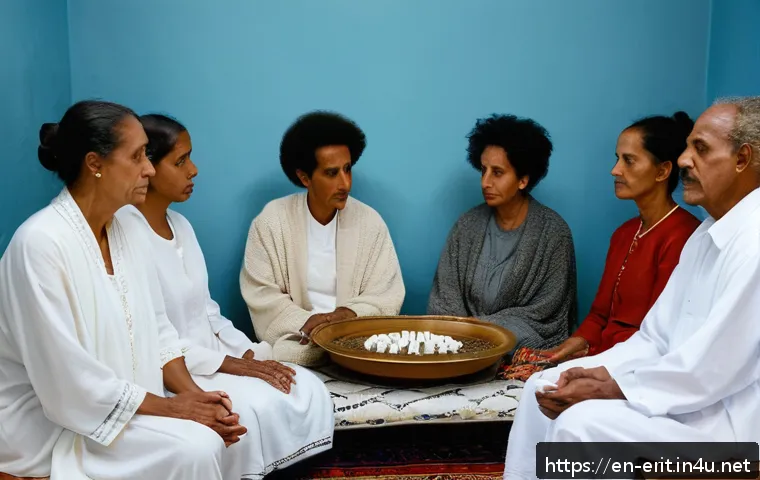
Mourning is expressed collectively through specific rituals, which might include communal prayers, singing traditional songs, and reciting poetry that honors the deceased.
These practices serve as both emotional outlets and cultural affirmations, allowing everyone to participate in honoring the departed. Witnessing such ceremonies, you can feel a tangible sense of unity — it’s as if the community’s shared sorrow becomes a source of healing.
One element that struck me was how even strangers in the community would join in the processions or gatherings, symbolizing that grief transcends individual boundaries and belongs to the whole society.
The Role of Elders in Guiding Mourning
Elders hold a pivotal place in Eritrean funerals, acting as custodians of tradition and providing spiritual guidance. Their role includes leading prayers, offering wisdom, and ensuring that rituals are performed correctly.
This leadership ensures continuity of cultural heritage and reinforces respect for the deceased. From what I’ve learned, elders also mediate conflicts that might arise during the emotionally charged period, helping maintain harmony.
Their presence instills a sense of stability and reassurance, which is essential when families navigate loss.
Symbolism Embedded in Funeral Customs
Meaning Behind Clothing and Colors
Clothing worn during funerals carries deep symbolism. White, often associated with purity and peace, is the predominant color for mourning attire, signaling respect for the deceased and hope for their peaceful afterlife.
In some Eritrean communities, you might also see black worn by close family members, symbolizing solemnity and grief. Personally, I’ve observed how the choice of fabric and style is deliberate, reflecting social status and cultural identity.
This careful attention to dress communicates non-verbal messages that reinforce cultural norms and collective understanding of death.
Use of Traditional Objects and Offerings
Funerals often include specific objects such as incense, candles, and symbolic food offerings. Incense is burned to purify the space and guide the spirit, while food offerings reflect generosity and the hope for the deceased’s comfort in the afterlife.
These elements are more than mere rituals; they embody a spiritual dialogue between the living and the dead. I recall a friend describing how his family’s use of fragrant incense during the funeral created a serene atmosphere that helped everyone focus on remembrance and prayer.
Funeral Procession as a Spiritual Journey
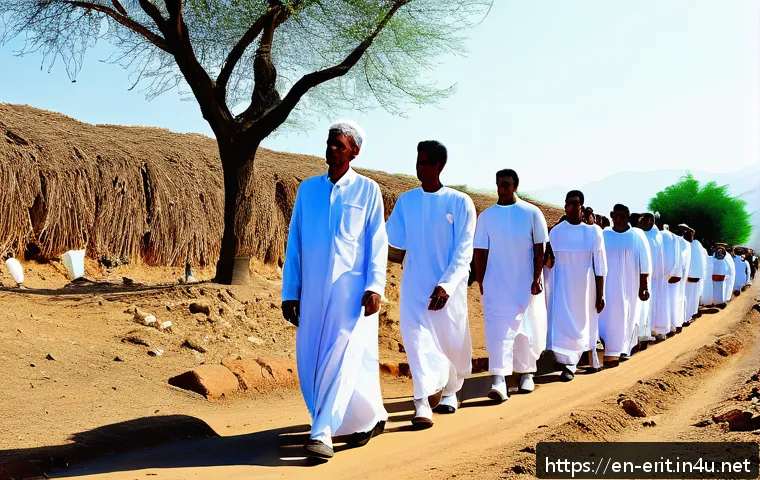
The procession to the burial site is both a physical and spiritual journey. It symbolizes the transition of the soul from the earthly realm to the hereafter.
The route, often passing through significant community landmarks, allows mourners to reflect on the deceased’s life and their connection to the community.
Observing such processions, it’s clear that movement itself carries meaning — each step is a collective act of farewell and hope. This ritualistic journey fosters a shared experience that unites participants emotionally and spiritually.
Timing and Duration of Funeral Ceremonies
Immediate Rituals Following Death
In Eritrea, the initial 24 to 48 hours after death are crucial for performing essential rites. These include washing and preparing the body, often done by close family members or respected community figures.
The immediacy of these actions is rooted in both religious belief and practical considerations related to climate and tradition. I’ve heard from locals that this time is also filled with intense emotional support, where family and friends gather to express condolences and begin the mourning process together.
Extended Mourning Periods and Their Significance
Following the funeral, there is typically an extended mourning period that can last from several days to weeks, depending on the community and family traditions.
During this time, families may refrain from celebrations and maintain certain lifestyle restrictions to honor the deceased. This period allows for reflection and gradual reintegration into daily life.
What I found intriguing is how these customs balance public displays of grief with personal healing, providing a structured way for individuals to cope with loss.
Annual Commemorations and Remembrance
Many Eritrean families observe annual ceremonies to honor their loved ones who have passed away. These commemorations often involve gatherings, prayers, and special meals, reinforcing the ongoing bond between the living and the deceased.
Participating in or hearing about these events reveals how memory and respect are preserved over time. These rituals serve as reminders of cultural identity and continuity, providing comfort and a sense of belonging that transcends generations.
Religious Influences and Funeral Practices
Christian Orthodox Traditions
A significant portion of Eritrea’s population follows the Eritrean Orthodox Church, whose funeral rites are rich with symbolism and liturgical elements.
Services typically include chanting, scripture readings, and specific prayers aimed at guiding the soul to heaven. The church also prescribes particular burial customs, such as the orientation of the body and the type of grave markers used.
From what I experienced during a visit, the solemnity and reverence of these ceremonies create a powerful atmosphere that honors both faith and family.
Islamic Funeral Customs
Eritrea’s Muslim communities observe distinct funeral traditions grounded in Islamic teachings. These include ritual washing (ghusl), shrouding the body in white cloth, and conducting funeral prayers (Salat al-Janazah) before burial.
The timing is usually swift, with burials occurring within 24 hours to respect religious mandates. I’ve come to appreciate how these practices emphasize dignity, simplicity, and a direct return to the earth, reflecting a profound respect for the natural cycle of life and death.
Syncretism and Local Variations
While religious doctrines provide frameworks, many Eritrean funerals exhibit syncretic elements blending traditional beliefs with formal religion. This fusion can be seen in the use of local chants, dances, or the inclusion of specific herbs and symbols believed to protect the spirit.
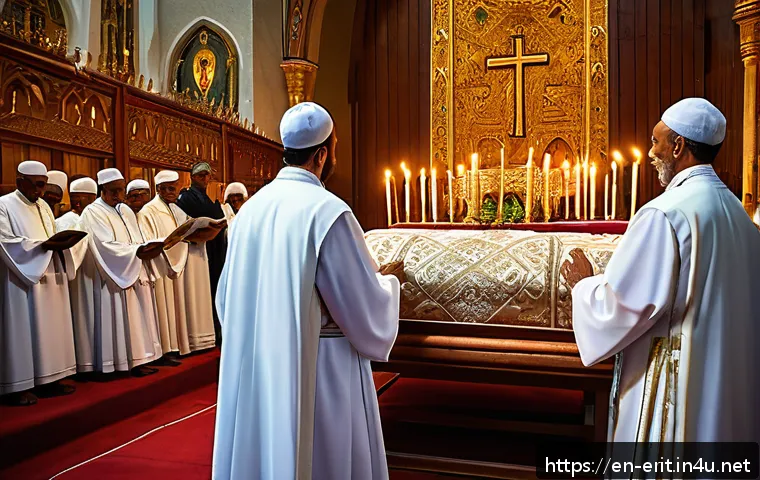
Such variations highlight the dynamic nature of cultural expression and adaptation. From conversations with Eritrean friends, I gathered that these practices offer comfort by linking ancestral wisdom with contemporary faith.
Practical Aspects and Social Etiquette
Preparation and Responsibilities of the Bereaved Family
Organizing a funeral in Eritrea involves numerous responsibilities, from arranging the burial site to coordinating with religious leaders and preparing communal meals.
Families often receive help but carry the primary duty of ensuring all rituals are observed correctly. This process can be overwhelming, especially emotionally, but it also fosters a sense of agency and respect.
I recall hearing firsthand how families take pride in honoring their loved ones properly, viewing the effort as a final act of love.
Expressions of Condolence and Visiting Protocols
Visitors to a bereaved household are expected to follow certain etiquette, such as offering condolences verbally and sometimes bringing symbolic gifts like food or money.
Visits are typically brief but meaningful, focusing on support rather than distraction. These interactions are vital for maintaining social bonds and showing solidarity.
I’ve noticed that understanding these customs can make a significant difference in how comfort is conveyed and received during difficult times.
Impact of Modernization on Funeral Traditions
With increasing urbanization and globalization, some traditional practices are evolving or being adapted. For instance, modern transportation and communication tools have changed how communities gather, and some rituals have been shortened or modified for practicality.
However, many families strive to preserve core customs, recognizing their cultural importance. Observing this balance between tradition and change reveals the resilience of Eritrean identity in a rapidly shifting world.
Comparison of Funeral Elements Across Eritrean Ethnic Groups
Diverse Practices Among Major Ethnicities
Eritrea is home to multiple ethnic groups, including the Tigrinya, Tigre, and Saho, each with distinct funeral customs. These differences manifest in burial methods, mourning attire, and ritual sequences, reflecting varied historical and cultural influences.
For example, the Tigrinya often have elaborate church services, while the Tigre may emphasize oral storytelling during mourning. Exploring these nuances enriches understanding of Eritrea’s cultural mosaic.
Shared Themes and Values
Despite differences, certain themes unify funeral traditions across groups: respect for ancestors, the importance of community, and the belief in an afterlife.
These shared values create a common cultural foundation that transcends ethnic lines. I’ve found that recognizing this unity helps foster national identity and mutual respect among diverse communities.
Table: Key Funeral Elements Among Eritrean Ethnic Groups
| Aspect | Tigrinya | Tigre | Saho |
|---|---|---|---|
| Burial Location | Churchyard or family graveyard | Community burial grounds | Designated ancestral lands |
| Mourning Attire | Predominantly white, with specific fabrics | Simple dark clothing | Colorful traditional dress with symbolic patterns |
| Ritual Leaders | Priests and elders | Community elders and religious leaders | Clan leaders and spiritual guides |
| Funeral Duration | Several days with church services | Typically shorter, focused on communal rites | Extended ceremonies including dances and feasts |
| Key Symbolic Practices | Incense burning, scripture chanting | Oral storytelling, prayers | Herbal offerings, ritual dances |
Healing and Moving Forward After Loss
Community Support Systems Post-Funeral
After the funeral, communities often continue to provide emotional and practical support to the bereaved family. This may include regular visits, assistance with daily tasks, or organizing prayer gatherings.
Such ongoing care helps prevent isolation and nurtures healing. From what I’ve observed, this sustained involvement is crucial in helping families adjust to life without their loved one.
Role of Storytelling and Memory Preservation
Sharing stories about the deceased plays a vital role in the grieving process. It keeps memories alive and allows mourners to celebrate the person’s life rather than only mourning their death.
In Eritrea, this often takes the form of oral histories, poetry, or communal recollections during gatherings. I find this practice deeply moving because it transforms grief into a collective tribute that strengthens social bonds.
Adapting Traditions in Contemporary Contexts
As younger generations encounter global influences, there is a gradual evolution in how funerals and mourning are approached. While respecting tradition, some families incorporate new elements such as digital memorials or simplified ceremonies.
This adaptability shows how Eritrean culture remains vibrant and relevant, honoring the past while embracing the future. Personally, witnessing this blend of old and new highlights the enduring human need to remember and honor loved ones in meaningful ways.
Conclusion
The rich funeral traditions in Eritrea reveal a profound connection between community, faith, and cultural identity. These rituals not only honor the deceased but also provide vital support and healing for those left behind. Witnessing these practices highlights the resilience and unity that emerge through shared grief and remembrance. Ultimately, Eritrean funerals embody a meaningful blend of spirituality, respect, and collective care.
Helpful Information
1. Funerals in Eritrea are deeply communal, involving extended family and neighbors who support the grieving family through presence and practical help.
2. Mourning rituals often include prayers, songs, and poetry, fostering emotional expression and cultural continuity within the community.
3. Elders play a critical role by guiding ceremonies, offering wisdom, and maintaining harmony during emotionally intense times.
4. Funeral attire and symbolic objects like incense and food offerings communicate respect and spiritual intentions non-verbally.
5. While modernization influences some practices, many families strive to preserve core customs that reinforce identity and collective memory.
Key Takeaways
Understanding Eritrean funeral customs provides insight into how cultural values, religious beliefs, and social bonds intertwine to support both the deceased and the living. Community involvement and respect for tradition are central, ensuring that mourning is both a shared experience and a pathway toward healing. Adaptability to modern life continues, but the essence of honoring loved ones remains steadfast and meaningful.
Frequently Asked Questions (FAQ) 📖
Q: What are the key elements of Eritrean funeral traditions?
A: Eritrean funeral traditions are deeply rooted in community participation and spiritual respect. Typically, the ceremonies involve prayers, singing, and the gathering of family and neighbors to honor the deceased.
The body is often prepared with rituals that reflect the individual’s faith and local customs, which can vary among Eritrea’s diverse ethnic groups. These traditions emphasize collective mourning and support, highlighting the importance of social bonds even in times of loss.
Q: How do Eritrean funeral customs reflect the country’s cultural diversity?
A: Eritrea is home to multiple ethnic groups, each with unique funeral practices influenced by religion and local heritage. For example, Christian communities may hold church services and recite specific prayers, while Muslim families might observe different rites including Quranic recitations.
This variety showcases Eritrea’s rich cultural mosaic, where distinct beliefs coexist but share a common theme of honoring life and facilitating a respectful farewell.
Q: Why is understanding Eritrean funeral traditions important in today’s global context?
A: In an increasingly interconnected world, appreciating Eritrean funeral traditions promotes cross-cultural respect and empathy. These rituals offer insight into how different societies cope with death and celebrate life, encouraging us to recognize universal values like community support and remembrance.
By learning about such customs, we foster greater cultural sensitivity, which is vital for meaningful global relationships and preserving intangible heritage.