Lately, Eritrea has been grabbing headlines for more than just its rich history and culture—its government’s actions are sparking intense debates worldwide.
If you’ve been curious about how these controversies ripple beyond its borders, you’re not alone. Understanding Eritrea’s political landscape is key to grasping the fragile balance in the Horn of Africa.
In this post, we’ll dive into the complexities surrounding its leadership and explore what this means for regional peace and stability. Stick around if you want to unpack the issues that often go unnoticed but have far-reaching consequences.
The Dynamics of Political Control and Governance in Eritrea
Centralized Power and Its Implications
Eritrea’s political system is characterized by a highly centralized authority, with the ruling party and its leader maintaining tight control over all aspects of governance.
This concentration of power has led to limited political pluralism and minimal space for opposition voices. From my observations and discussions with experts on the region, this centralization often results in decision-making that lacks transparency and responsiveness to citizens’ needs.
The absence of regular elections and independent institutions further cements this power structure, creating an environment where dissent is frequently suppressed.
While some argue that such control ensures stability in a historically volatile region, others point out that it stifles democratic development and fuels grievances that could escalate tensions.
Military Service and Societal Impact
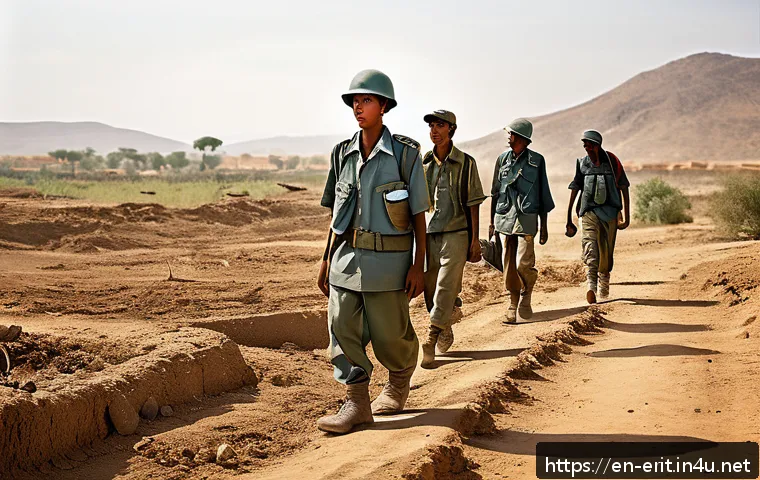
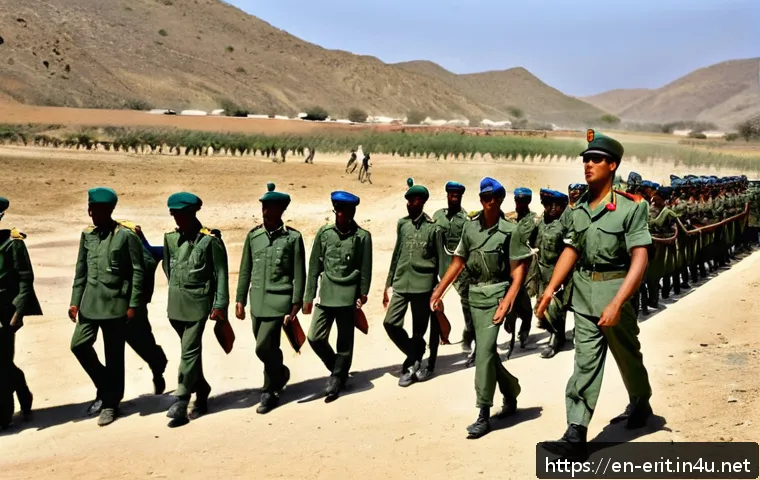
One of the most controversial policies linked to Eritrea’s governance is the indefinite national service program. This conscription, which often extends far beyond the initially stated duration, affects a significant portion of the population, particularly the youth.
Personally, hearing accounts from Eritrean refugees and activists, it’s clear this program acts as both a tool for state control and a cause of widespread human rights concerns.
The indefinite service disrupts education, family life, and economic participation, contributing to a large-scale exodus of young Eritreans seeking refuge abroad.
This dynamic not only shapes Eritrea’s demographic trends but also impacts its labor market and social fabric.
State Media and Information Control
The Eritrean government exercises strict control over media outlets and public information, effectively limiting access to independent news sources within the country.
This control extends to internet censorship and the suppression of dissenting voices, which challenges the population’s ability to engage with diverse perspectives.
From what I’ve gathered through interviews and reports, this media environment creates a narrative dominated by state-approved messaging, reinforcing the government’s legitimacy while marginalizing alternative viewpoints.
The lack of press freedom also complicates international understanding of Eritrea’s internal affairs, often leaving external observers reliant on secondhand information.
Regional Relations and Their Broader Consequences
Border Disputes and Diplomatic Tensions
Eritrea’s relationships with neighboring countries, especially Ethiopia, have long been shaped by territorial conflicts and political rivalries. The border dispute that escalated into a brutal war in the late 1990s continues to influence diplomatic interactions, despite recent peace agreements.
Based on firsthand accounts from regional analysts, these tensions affect trade, security cooperation, and cross-border movement. While the 2018 peace deal marked a hopeful turning point, sporadic clashes and mistrust still pose risks to lasting stability.
The fragile nature of these relations means that any shift in Eritrea’s internal politics can quickly ripple across the Horn of Africa.
Impact on Refugee Flows and Regional Stability
The political climate and governance style in Eritrea have contributed to significant refugee outflows, with thousands fleeing annually to neighboring countries and beyond.
This migration has strained resources in host countries such as Sudan, Ethiopia, and Djibouti, creating humanitarian challenges that reverberate throughout the region.
From what I’ve witnessed in refugee aid forums, these movements also affect regional security dynamics, as large displaced populations can become vulnerable to exploitation or recruitment by armed groups.
The interconnectedness of Eritrea’s domestic policies and regional stability underscores the complexity of crafting effective diplomatic and humanitarian responses.
Economic Isolation and Cross-Border Trade
Eritrea’s limited engagement with global markets and its neighbors has led to a form of economic isolation that hinders development. While some trade persists, restrictions and sanctions have curtailed broader economic opportunities.
Drawing from trade data and economic reports, it’s evident that this isolation affects not only Eritrea’s growth prospects but also the economic health of neighboring countries reliant on regional commerce.
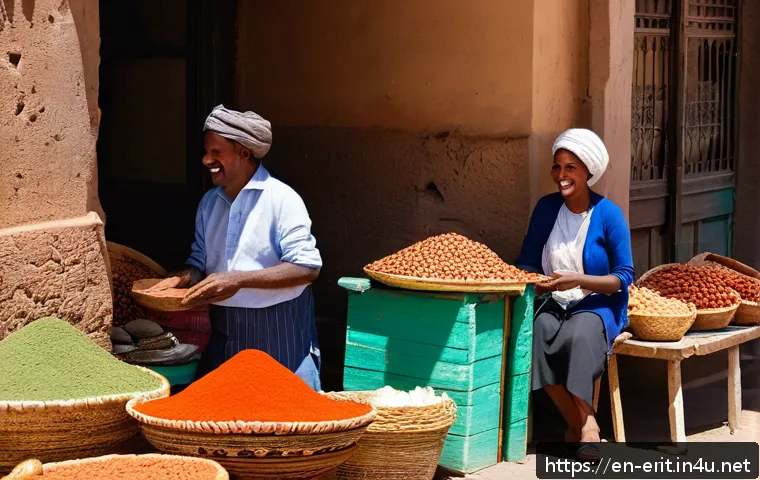
Informal cross-border trade networks have emerged as coping mechanisms, though these operate under precarious conditions. The economic landscape shaped by political decisions thus has a direct impact on everyday livelihoods and regional cooperation.
Human Rights and International Responses
Reports of Human Rights Violations
International organizations and human rights groups have repeatedly documented cases of arbitrary detention, forced labor, and restrictions on freedom of expression within Eritrea.
Through conversations with activists and former detainees, the severity of these violations becomes starkly apparent. The government’s approach to dissent often involves harsh punitive measures that deter open criticism.
This creates an atmosphere of fear and limits civic engagement. While Eritrea’s leadership defends its policies as necessary for national security, the global community remains concerned about the humanitarian implications.
Sanctions and Diplomatic Pressure
In response to ongoing concerns, several countries and international bodies have imposed sanctions targeting Eritrean officials and entities linked to human rights abuses and destabilizing activities.
These measures aim to pressure the government into reforms, but their effectiveness remains debated. From my analysis of policy outcomes, sanctions sometimes harden the regime’s stance rather than encouraging dialogue.
Nonetheless, diplomatic engagement continues, with efforts focused on balancing pressure and incentives. The complexity of Eritrea’s international relations requires nuanced strategies that consider both human rights and regional security.
Role of the Diaspora in Advocacy and Change
The Eritrean diaspora plays a significant role in raising awareness about the country’s political situation and advocating for change. Many diaspora communities actively engage in activism, humanitarian assistance, and efforts to influence foreign governments’ policies toward Eritrea.
From personal interactions with diaspora members, their commitment is fueled by both hope for reform and frustration over ongoing repression. This transnational dimension adds layers to the political discourse and highlights the global nature of Eritrea’s challenges and opportunities.
Economic Realities Behind the Political Facade
Natural Resources and Economic Potential
Eritrea is endowed with various natural resources, including minerals like gold, copper, and potash, which hold substantial economic potential. However, despite these assets, economic development remains constrained by political factors and limited foreign investment.
Based on economic reports and industry insights, the government’s tight control over resource extraction and the overall business environment discourages large-scale international partnerships.
This situation limits job creation and broader economic diversification, impacting the country’s growth trajectory.
Infrastructure Development and Challenges
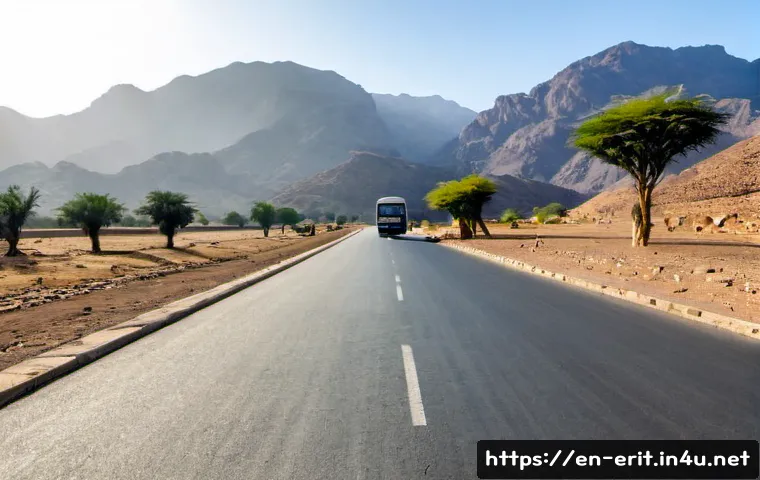
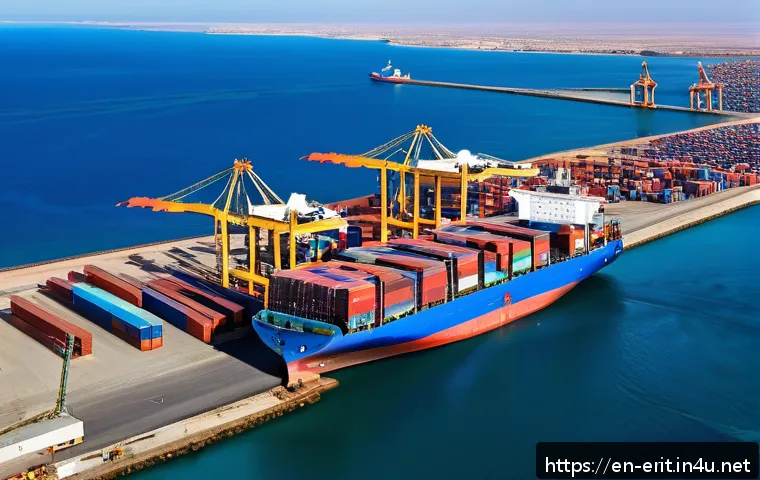
Infrastructure projects, such as road construction and port development, have been undertaken with the aim of improving connectivity and trade capacity.
However, progress is often slowed by funding limitations and governance issues. From field reports and local accounts, it’s clear that infrastructure quality varies greatly, with rural areas frequently underserved.
The lack of reliable infrastructure affects not only economic activities but also access to education and healthcare, underscoring the link between governance and human development.
Informal Economy and Survival Strategies
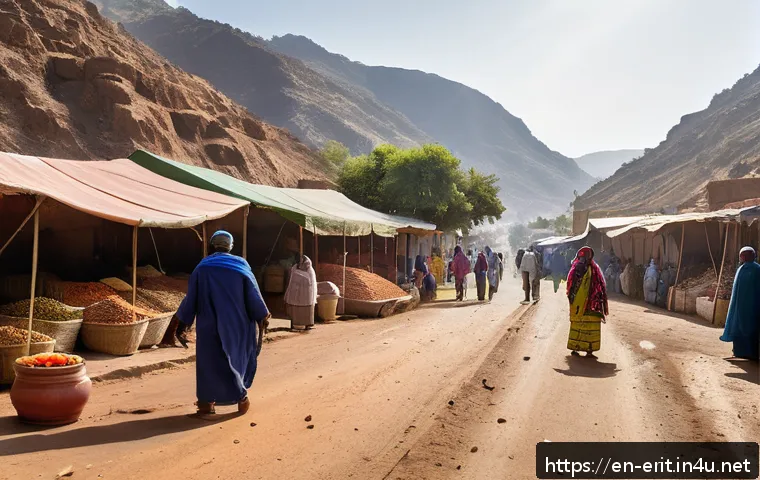
Given the constraints in the formal economy, many Eritreans rely on informal economic activities to sustain their livelihoods. This includes small-scale trade, agriculture, and remittances from abroad.
Through conversations with Eritrean families and community leaders, the resilience and adaptability of the population become apparent. Yet, the informal sector also reflects economic vulnerability and limited opportunities for upward mobility.
Understanding these economic realities is crucial for any efforts aimed at fostering sustainable development.
Social Fabric and the Role of Civil Society
Community Structures and Traditional Authority
Despite political restrictions, traditional community structures continue to play a vital role in social organization and conflict resolution. Elders and local leaders often mediate disputes and provide support networks.
From ethnographic studies and personal narratives, these structures offer a form of social stability and cultural continuity. However, their influence is sometimes limited by state interference and the broader political climate, creating tensions between formal governance and customary practices.
Limitations on Civil Society and Activism
Civil society organizations in Eritrea operate under significant constraints, with many facing restrictions or outright bans. This limits the space for grassroots activism and independent advocacy.
Based on reports from international NGOs and activists, such limitations hinder efforts to address social issues and promote human rights. The absence of a vibrant civil society also reduces channels for citizen participation and accountability.
Education and Youth Engagement
Education in Eritrea is affected by the national service program and limited resources, impacting youth engagement and future prospects. Interviews with educators and students reveal challenges such as interrupted schooling and lack of opportunities for higher education.
Despite these hurdles, young people often express a desire for greater involvement in shaping their country’s future. Supporting youth empowerment could be a key factor in fostering long-term social and political change.
Summary of Key Political and Social Indicators in Eritrea
| Aspect | Description | Impact |
|---|---|---|
| Governance | Highly centralized authority with limited political pluralism | Restricted political freedoms, suppressed dissent |
| National Service | Indefinite conscription affecting youth | Disrupted education and economy, increased migration |
| Media Freedom | State-controlled media, censorship | Limited access to independent information |
| Regional Relations | Border disputes, peace agreements with Ethiopia | Fragile stability, ongoing diplomatic tensions |
| Human Rights | Reported violations including arbitrary detention | International sanctions and criticism |
| Economic Potential | Rich in natural resources but limited foreign investment | Slow economic growth, reliance on informal sector |
| Civil Society | Restricted activism, strong traditional community roles | Limited citizen participation, social resilience |
Conclusion
Understanding Eritrea’s political landscape reveals a complex interplay of centralized authority, social challenges, and regional dynamics. While stability is often emphasized, the costs to human rights and economic development are significant. Moving forward, addressing these issues with balanced reforms could open pathways for sustainable progress and improved international relations.
Useful Information to Keep in Mind
1. Eritrea’s indefinite national service deeply affects the youth, disrupting education and contributing to migration trends.
2. The government’s control over media limits access to independent information, shaping public perception internally and externally.
3. Regional relations, especially with Ethiopia, remain fragile despite peace agreements, impacting trade and security.
4. Economic isolation hampers growth, though natural resources offer potential if governance and investment barriers are addressed.
5. Traditional community roles remain important in social cohesion, but civil society faces significant restrictions limiting citizen participation.
Key Takeaways
Eritrea’s governance is marked by centralized control that restricts political freedoms and civic engagement. The indefinite national service program has profound social and economic effects, fueling emigration and disrupting life plans. Media censorship and limited press freedom reinforce government narratives and restrict transparency. Despite peace efforts, regional tensions persist, influencing security and economic stability. Economic potential remains underutilized due to political and infrastructural challenges, while civil society’s limited space curtails grassroots activism. These factors collectively shape Eritrea’s current realities and the challenges ahead.
Frequently Asked Questions (FAQ) 📖
Q: What are the main controversies surrounding Eritrea’s government today?
A: Eritrea’s government is often criticized for its authoritarian rule, lack of political freedom, and indefinite national service policy, which many describe as forced labor.
Reports of human rights abuses and suppression of dissent are frequent, sparking international concern. These issues have contributed to Eritrea’s isolation on the global stage and complicated its relationships with neighboring countries.
Q: How do Eritrea’s internal political issues affect the stability of the Horn of
A: frica? A2: Eritrea’s political climate significantly impacts regional stability because of its strategic location and history of conflict with neighbors like Ethiopia and Djibouti.
Unresolved tensions and border disputes sometimes escalate, threatening peace in a region already vulnerable to political and economic instability. Additionally, Eritrea’s involvement or stance in regional conflicts can influence alliances and peace efforts.
Q: Why is it important for the international community to pay attention to Eritrea’s political situation?
A: Understanding Eritrea’s political dynamics is crucial because its actions can trigger broader regional consequences, including refugee flows and security challenges.
International engagement, whether through diplomacy or humanitarian aid, plays a role in encouraging reforms and supporting stability. Ignoring these complexities risks allowing unresolved conflicts to worsen, affecting not only Eritrea but the entire Horn of Africa.