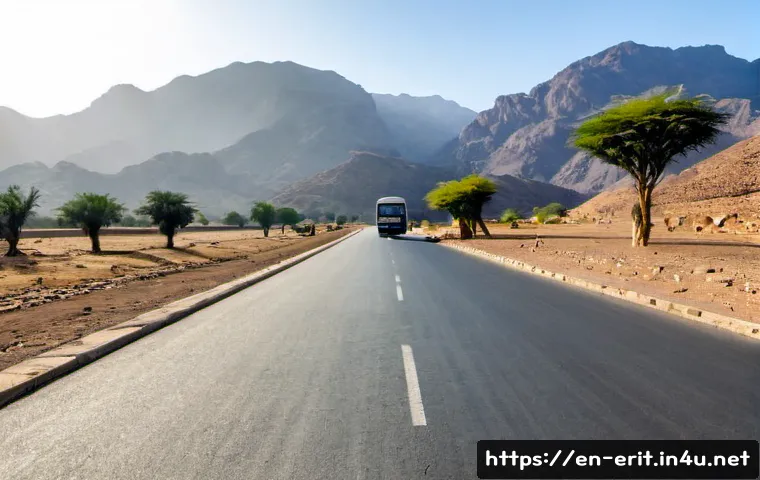
Road travel in Eritrea can be manageable on principal corridors, but conditions may change sharply on mountain, rural, and unpaved routes. The safest planning approach is to confirm permits, choose transport for the actual route, and leave room for delays rather than judging a trip by distance alone.
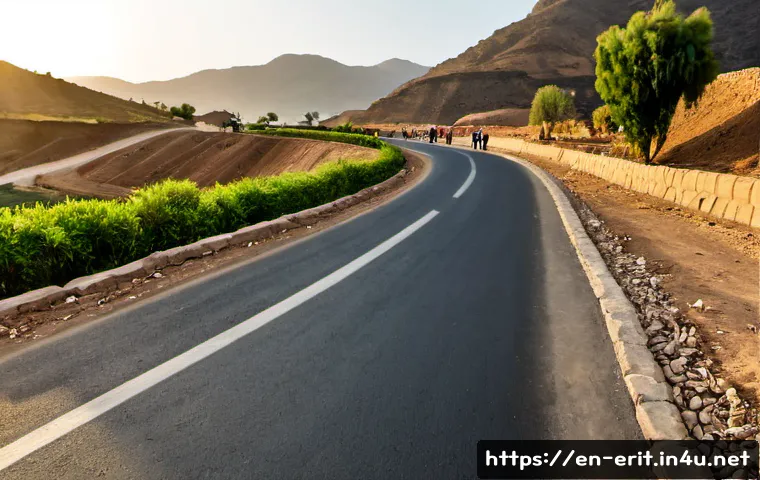
Asmara has principal road links toward Massawa, Keren, and Assab, yet urban streets, paved highways, bends, and remote diversions do not offer the same driving experience.
A regular passenger vehicle may suit some paved travel, while a 4×4 rental or driver-guide service can be a more practical choice for routes with uncertain surfaces or limited support.
Public transport is available on some routes, but it may not fit a fixed schedule. Before committing to a vehicle, driver, or organized transport service, verify current route access, fuel arrangements, permit requirements, and insurance terms.
At a Glance
- Principal road corridors connect Asmara with major cities and ports, but road quality varies by route and location.
- Remote, rural, mountain, and unpaved-road plans need extra attention to permits, vehicle condition, fuel range, and daylight timing.
- Compare self-drive, a 4×4 with driver, public transport, and organized transport based on support needs—not only the initial cost.
| Transport option | Cost approach | Flexibility | Paperwork and local support | Best planning fit |
|---|---|---|---|---|
| Self-drive | May appear simpler at booking, but requires independent planning | Potentially high if permitted and practical | Low; traveler must verify permits, route status, fuel, and vehicle terms | Short, clearly confirmed paved-route plans |
| 4×4 with driver | Usually involves a higher service commitment | Can be tailored to the route and daylight window | Higher; local route familiarity may reduce planning burden | Mountain, rural, multi-city, or uncertain-road itineraries |
| Public transport | Often considered by budget-focused travelers | Lower because schedules and availability may not suit fixed plans | Limited for time-sensitive travel | Travelers with flexible timing and confirmed local arrangements |
| Organized transport or tour | Bundled-service approach | Lower than private arrangements | May simplify coordination, subject to current provider terms | Visitors seeking a more structured plan |
The Short Answer: How Reliable Is Road Travel in Eritrea?
Road travel reliability depends heavily on the specific corridor, road type, weather, and current travel authorization. Eritrea drives on the right-hand side, and Asmara is linked to major destinations including Massawa, Keren, and Assab. That does not mean every section of every route will feel alike. A paved main road, a city street, a highland descent, and an unpaved rural diversion should be planned as different travel environments.
Main Corridors Versus Secondary and Remote Roads
Principal intercity corridors are the logical starting point for overland travel planning. They connect the capital with key cities and ports. However, secondary roads and remote areas can involve changing surfaces, fewer services, and greater uncertainty. Treat a route name on a map as a starting point, not proof that the road is suitable for every vehicle or timetable.
Why Route Planning Matters More Than Total Distance
A short distance can still take longer than expected when the route includes bends, elevation changes, road-surface variation, permit checks, or limited roadside facilities. The Asmara-to-Massawa route descends sharply from the highlands toward the Red Sea coast. That terrain is a practical reason to focus on daylight, driver concentration, vehicle condition, and realistic timing rather than mileage alone.
Assessing Roads by Route Type and Travel Purpose
The useful question is not simply, “Are Eritrea’s roads good?” It is, “What type of road will this trip use, and what happens if conditions change?” Match the transport plan to the road environment and the consequences of arriving late.
City Streets and Major Intercity Highways
City travel and principal paved corridors may be appropriate for a simpler vehicle setup when the current route is confirmed. Still, check the pickup location, the return plan, fuel expectations, and whether the provider permits the intended journey. For business visitors, a dependable arrival window can matter more than the lowest rental quote.
Highland Descents, Coastal Routes, and Rural Diversions
Mountain routes deserve extra caution because bends and elevation changes can affect travel timing. Rural and unpaved sections may be more vulnerable to seasonal rain, drainage issues, and slower progress. A 4×4 rental or an experienced local driver can add value when the planned itinerary includes uncertain surfaces, remote stops, or little room for delays. It is not automatically necessary for every trip outside Asmara.
Business, Aid, and Cargo Travel Considerations
For NGO, logistics, or commercial travel, the vehicle decision should reflect operational needs. Consider passenger capacity, cargo requirements, communication plans, fuel range, daylight arrival targets, and a workable contingency if a route takes longer than expected. Confirm current access conditions and checkpoint requirements directly before departure, since real-time restrictions and construction activity are not fixed planning assumptions.
Transport Options: Self-Drive, Driver, Public Transport, or Tour
Each option shifts responsibility in a different direction. Self-drive may offer independence, while a driver-guide service can reduce route-management pressure. Public transport may work for flexible schedules, and organized transport can suit travelers who prefer a coordinated arrangement.
Comparison Table: Cost, Flexibility, Local Support, and Planning Burden
The table above is best used as a screening tool. A lower initial transport cost can become less attractive if it creates uncertainty around route permissions, timing, fuel planning, or return arrangements. A higher-cost vehicle-and-driver package may be worthwhile when it includes the support needed for a more complex route.
When a 4×4 or Experienced Local Driver Adds Value
A 4×4 or local driver is most relevant when the route includes rural diversions, unpaved sections, mountain driving, multiple stops, or limited flexibility around arrival time. A driver may also be useful if the traveler does not want to manage unfamiliar road conditions, navigation, or changing local arrangements alone. Before treating this as the default solution, confirm whether a self-drive rental is currently available, allowed for visitors, and practical for the intended itinerary.
Questions to Ask Before Paying for Vehicle or Driver Services
- Is the proposed vehicle suitable for the confirmed route type?
- What is included: driver time, fuel planning, pickup, return travel, and support if plans change?
- Can the provider explain any limits on rural, coastal, mountain, or unpaved travel?
- What insurance inclusions and exclusions apply to the vehicle and planned use?
- Who is responsible for confirming permits and current route access?
Permits, Fuel, Timing, and Other Pre-Departure Checks
Travel outside Asmara may require permits for foreign visitors. This is a central planning issue, not a last-minute detail. Confirm the current procedure before departure and do not assume that a previous traveler’s experience reflects present requirements.
Confirming Travel Authorization Outside the Capital
Check whether your intended destinations require authorization, how the permit process works at the time of travel, and whether any route-specific restrictions apply. Border access, checkpoint requirements, and local restrictions are matters to verify through appropriate current channels. Keep the itinerary flexible until these points are clear.
Fuel Range, Cash Planning, and Vehicle Condition
Fuel availability, prices in Eritrean nakfa, and payment methods should be confirmed shortly before the trip. Do not build a route around assumed fuel stops. Ask the rental or driver service about the vehicle’s condition, expected range, tire readiness, and their plan if roadside assistance is needed. Roadside repair availability is not something to presume, especially away from major corridors.
Why Daylight Travel and Offline Route Planning Are Sensible Precautions

Night driving can increase risk where lighting, signage, roadside services, or emergency support are limited. Plan key road sections for daylight where possible. Download offline navigation before leaving reliable connectivity, but use it as a reference rather than a guarantee of current road access or surface quality.
Common Road-Travel Mistakes to Avoid
Most avoidable problems come from treating uncertainty as a minor inconvenience. A practical itinerary makes room for verification and delays.
Treating All Mapped Roads as Equal
Maps may show a continuous route without showing how the surface, drainage, elevation, or services affect the drive. Separate the plan into paved intercity sections, urban travel, mountain segments, and rural or unpaved portions. Then choose the vehicle and departure time for the most demanding section, not the easiest one.
Building an Itinerary Without Delay Time
Do not schedule every hour around an ideal journey. Bends on highland descents, seasonal rain on unpaved areas, permit matters, and limited roadside support can affect timing. A buffer is particularly useful when connecting to a meeting, accommodation check-in, port-related activity, or another fixed arrangement.
Relying on Limited Roadside Services or Last-Minute Transport Arrangements
Last-minute arrangements can leave fewer choices if public transport schedules do not match your needs or if a suitable vehicle is unavailable. Confirm transport before departure where possible. For private transport, make sure the provider understands the route, passenger needs, luggage or cargo, and expected return timing.
Decision Criteria and Comparison Summary
Choose self-drive only when current rules, vehicle availability, route suitability, and personal comfort are all confirmed. Choose a 4×4 with driver when terrain, remote segments, schedule sensitivity, or local coordination make support more valuable than maximum independence. Choose public transport when the schedule is flexible and the route is confirmed. Choose organized transport when you prefer a coordinated plan and accept less flexibility.
Before booking, compare the vehicle type, driver arrangement, insurance inclusions, fuel responsibility, permit support, and route limits. Review the official guidance and the provider’s detailed terms on the relevant page before making a payment.
Conclusion
Eritrea road conditions should be assessed route by route. Main corridors from Asmara may be the most straightforward starting point, while mountain, rural, and unpaved travel calls for more careful preparation. The right setup is the one that matches the confirmed route, available daylight, permit status, and your tolerance for logistical uncertainty. A flexible plan is often more useful than an ambitious schedule.
Useful Information
Drive on the right. Plan for daylight where possible, especially on roads with limited lighting or services.
Keep offline route information. It can help with orientation, but it does not replace current route verification.
Check permits early. Foreign visitors may need authorization for travel outside Asmara.
Ask about fuel before departure. Availability, payment methods, and prices should be confirmed at the time of travel.
Important Notes
Current permit procedures, border access, road closures, construction, security conditions, checkpoint requirements, fuel availability, public transport schedules, self-drive rental availability, and roadside repair support require direct confirmation before travel. This guide describes planning considerations rather than real-time route status or a guarantee of access.
Frequently Asked Questions
Q1. Are Eritrea’s main roads suitable for regular passenger vehicles?
A1. Some principal paved corridors may be suitable for regular passenger vehicles, but suitability depends on the exact route, current conditions, vehicle terms, and planned stops. Mountain, rural, and unpaved sections should be assessed separately.
Q2. Is hiring a local driver in Eritrea worth the added cost?
A2. It can be worthwhile for travelers using mountain or remote routes, managing a multi-city itinerary, carrying cargo, or trying to reduce planning burden. Compare what the service includes, especially route support, vehicle suitability, fuel arrangements, permits, and insurance terms.
Q3. Do travelers need a 4×4 for road trips outside Asmara?
A3. Not necessarily. A 4×4 may add value for rural, unpaved, or uncertain-route travel, while some paved intercity journeys may not require one. Confirm the current route conditions and whether self-drive use is permitted and practical before deciding.