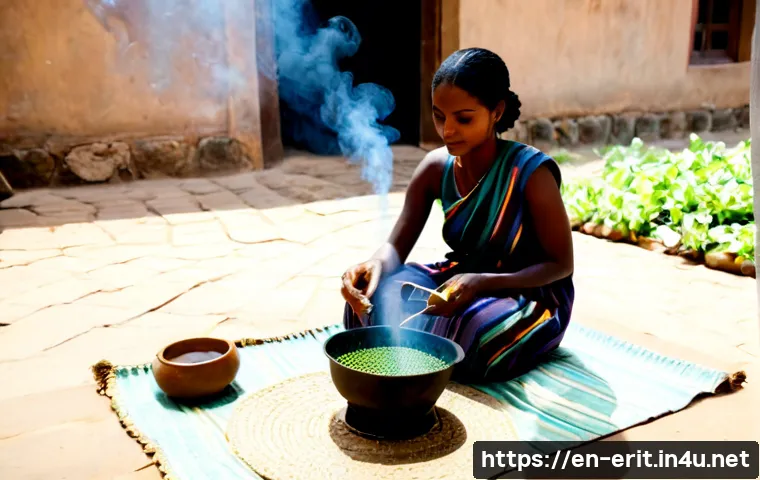
Eritrean coffee culture centers on hospitality, freshly prepared coffee, and time shared around small cups rather than a quick takeaway drink. A traditional preparation may include roasting green beans, grinding them, and brewing in a clay jebena pot.

For a first experience, an Eritrean café or restaurant can make the ritual easier to understand; for regular home use, a jebena or a simpler brewer can both be practical choices.
The cup is often aromatic and freshly brewed, while sweetness, spices, and serving customs can differ from one household or occasion to another. If you are shopping for beans or equipment, prioritize food-safe materials, coffee freshness, and realistic shipping details over a “one authentic setup” claim.
The most respectful approach is to enjoy the invitation, ask questions, and let the host set the pace.
At a Glance
- Eritrean coffee gatherings are widely connected with hospitality, conversation, and shared time.
- A traditional preparation may include freshly roasting green beans, grinding them, and brewing in a clay jebena.
- There is no single fixed ceremony: sweetness, spices, serving rounds, and guest customs can vary.
| Option | Best For | Time and Learning Curve | Equipment or Cost Factors |
|---|---|---|---|
| Eritrean café ceremony | Learning through a social, hosted experience | Usually guided by the host; little brewing knowledge needed | Venue availability, menu choices, and local pricing |
| Restaurant coffee service | Adding coffee to a meal and trying the presentation | Convenient; format may be shorter or different by restaurant | Restaurant menu and service style |
| Home jebena setup | Hosts and coffee enthusiasts who enjoy a hands-on ritual | More preparation and practice | Food-safe clay, grinder, green beans, shipping, and care needs |
| Modern home brewer | Daily coffee with a simpler routine | Generally easier to repeat | Brewer type, grinder choice, and specialty coffee freshness |
What Makes an Eritrean Coffee Gathering Different?
The Quick Answer: Fresh Roasting, Shared Time, and Small Servings
An Eritrean coffee gathering can feel different from everyday coffee service because the preparation itself is part of the occasion. Fresh roasting, brewing, aroma, and conversation may all take place in the same shared space. Instead of receiving a large mug and moving on, guests are typically served coffee in small handleless cups.
The important point is not to treat every gathering as an identical script. One family may roast beans immediately before brewing, while another may adapt the process to the time, setting, and preferences of the people present. The common thread is coffee as a social offering.
Coffee as Hospitality Rather Than a Rushed Drink
In Eritrean homes and community gatherings, coffee is widely associated with hospitality and social connection. That makes the pace meaningful. The invitation can be as important as the beverage, especially when people are visiting, catching up, or sharing a meal.
For travelers and first-time guests, this is a useful expectation to bring along: a coffee invitation may be an opportunity to participate, not simply a request to rate a drink. If you have a preference about sweetness or another concern, asking politely is better than assuming there is one universal rule.
What Guests May Notice First: Aroma, Roasting, and Presentation
The first thing guests may notice is the scent of roasting coffee. Incense may also be present, adding another layer to the atmosphere. Freshly roasted beans can create a vivid aroma before the coffee reaches the cup, and the jebena itself can become part of the presentation.
That sensory setting is one reason a cultural café or Eritrean restaurant can be a helpful first introduction. You can observe how the host approaches the service without needing to buy cookware or source green coffee beans before you know whether home preparation suits you.
From Green Beans to Cup: The Traditional Brewing Process
Roasting Beans Shortly Before Brewing
A traditional preparation may begin with green coffee beans roasted shortly before brewing. Roasting close to serving emphasizes freshness and aroma. After roasting, the beans may be ground and brewed directly.
For home coffee drinkers, this is also the most involved part of the process. Green beans, a roasting method, ventilation, and a grinder all need attention. If you want the social feel of the ritual but not the extra steps, buying freshly roasted specialty coffee beans may be a more convenient starting point. It will not duplicate every traditional detail, but it can make a home coffee session easier to manage.
Grinding and Brewing in a Jebena
The jebena is a traditional coffee pot commonly made from clay. It is used for brewing coffee after the beans have been roasted and ground. A clay pot can be appealing to people who value traditional coffee equipment, cultural hosting, and a slower brewing routine.
Before buying one, avoid assuming that every jebena has the same material, finish, capacity, or care instructions. Ask the seller whether the item is intended for food use and brewing, rather than display. Check whether it is glazed or unglazed, how it should be cleaned, and whether its construction is appropriate for the heat source you plan to use.
Serving Styles, Sweetness, and Household Variations
Coffee is typically served in small handleless cups rather than large mugs. Beyond that, the details can vary. Sweetness, spices, and the number of servings may differ by household, region, and occasion.
This variation is worth respecting when you host at home, too. There is no need to present a single recipe as the only correct Eritrean coffee ceremony. If you are serving guests, explain what you have chosen to prepare, offer sweetness preferences where appropriate, and keep the focus on welcome and conversation.
Jebena, Beans, and Home Brewing Options Compared
Traditional Clay Pot Versus Modern Home Brewers
A jebena offers a more ritual-centered route for home hosts. It may suit someone who enjoys handling green beans, preparing coffee in stages, and sharing several small servings. It also requires more attention to cookware quality, cleaning, storage, and brewing practice.
A moka pot, cezve-style brewer, or French press can be easier for regular use. These alternatives do not replace the cultural setting of an Eritrean coffee gathering, but they can help you explore freshly roasted beans and smaller, more deliberate servings with equipment you may already understand.
Choose a jebena when the ritual and presentation matter most. Choose a modern brewer when convenience, repeatability, and daily coffee use matter more. Both choices can work well when described honestly.
What to Check Before Buying a Jebena or Green Coffee Beans
When shopping for traditional coffee gear or specialty coffee beans, use a practical checklist:
- Food-safe construction: Confirm that a clay pot is made and sold for food and beverage use.
- Heat compatibility: Check the seller’s guidance for your intended heat source before using the pot.
- Cleaning and care: Review instructions, especially for unglazed clay cookware.
- Bean format: Decide whether you want green beans for roasting or roasted beans for easier brewing.
- Grinder fit: A grinder should suit the brewing method you actually plan to use.
- Shipping details: Consider fragile-item packing, delivery location, and specialty-food availability.
Green coffee beans and traditional clay cookware may not be equally available in every market. Local import rules, specialty-food retailers, and shipping arrangements can affect what you can buy. Read product descriptions carefully rather than relying on broad labels such as “traditional” or “authentic.”
Cost Factors: Equipment, Shipping, Replacement Parts, and Bean Freshness
The cost of a jebena setup is not limited to the pot. Materials, craftsmanship, seller location, packaging, shipping, and possible replacement needs can all matter. A fragile clay item may need more careful shipping than a metal or glass brewer.
For coffee beans, freshness and the amount you can reasonably use are often more useful decision points than buying the largest bag available. Consider how often you brew, whether you will roast at home, and how easily you can reorder from a specialty coffee seller. Prices vary widely, so compare the full purchase conditions rather than making a decision from a single headline price.
Etiquette and Common Mistakes for Visitors and Hosts
How to Participate Respectfully Without Treating the Ritual as a Performance
The best approach is simple: be present, show appreciation, and follow the host’s lead. An Eritrean coffee gathering is connected to people and hospitality, not just visual details for a visitor’s checklist. If photographs or video are important to you, ask first.
Accepting coffee can be a warm way to join the moment, but guests should not feel pressured to ignore personal needs. If you need to decline or limit a serving, do so courteously. A respectful explanation is better than acting as if every household follows the same expectation.

Asking About Preferences Instead of Assuming Rules
Questions can make the experience more meaningful when they are asked with genuine interest. You might ask whether the beans were roasted that day, whether the host prefers coffee sweetened, or how they care for the jebena. Avoid declaring that a certain number of rounds, spice choice, or serving style is mandatory.
For hosts outside Eritrea, this is especially useful. Present your coffee as your own considered version, mention the equipment and beans you chose, and leave room for guests to share their preferences. Cultural appreciation is stronger when it does not turn variation into an error.
Food-Safety and Care Considerations for Unglazed Clay Cookware
Clay cookware deserves careful handling. Before brewing in a jebena, confirm the seller’s food-safety guidance, cleaning instructions, and intended use. Do not assume that decorative pottery is suitable for direct food contact or heat.
Unglazed clay can require particular care, and product instructions may differ. If those details are unclear, a modern brewer is the safer practical choice until you can verify the item. Careful research matters more than trying to recreate a ceremony quickly.
Which Experience Is Best for Your Goal?
Choosing an Eritrean Café or Restaurant for a First Introduction
An Eritrean café or restaurant is often the easiest choice for someone who wants context before buying equipment. A café experience can be especially useful if your goal is to observe the coffee presentation, smell freshly roasted beans, and ask respectful questions in a setting built around food and hospitality.
A restaurant service may be the better option if you are already planning a meal and want to add coffee afterward. Keep expectations flexible: not every restaurant will offer the same format, timing, or ceremony elements.
Building a Home Setup for Regular Coffee Drinkers
A home jebena setup may be rewarding for people who enjoy hosting, experimenting with green coffee beans, and giving brewing more time. Start with a clear plan: food-safe pot, appropriate cleaning guidance, a grinder, and a reliable source for beans.
If you drink coffee daily and need a faster routine, begin with a French press, moka pot, or cezve-style brewer. You can still use specialty coffee beans and serve smaller cups while deciding whether a clay jebena is worth adding later.
Selecting a Guided Food or Cultural Experience While Traveling
A guided food or cultural experience can suit travelers who want explanation alongside tasting. Look for a description that clearly states what is included and whether coffee is part of the experience. Since formats vary, ask about timing, accessibility, food and drink options, and any booking conditions before committing.
Choose the experience for learning and respectful participation, not for a promise of one standardized ceremony. Local hosts and venues may present coffee in ways that reflect their own community and occasion.
Choosing a Coffee Experience and Brewing Setup: Comparison Summary
Best Option for Cultural Learning
An Eritrean café, restaurant, or guided cultural food experience is usually the clearest starting point. You can see how coffee is offered in a social setting and learn from the people serving it.
Best Option for Convenience and Daily Use
A modern brewer with freshly roasted specialty coffee is often the most practical choice. It reduces the equipment and care demands while still supporting a thoughtful home coffee routine.
Best Option for Gifting, Hosting, and Specialty-Coffee Exploration
A food-safe jebena paired with a suitable grinder and carefully chosen beans can be a meaningful option for an interested host. It is best for someone ready to learn the cookware’s care requirements rather than someone looking for an instant daily shortcut.
Selection Criteria and Comparison Summary
Before choosing a coffee experience or buying equipment, check these points:
- Decide whether your main goal is cultural learning, home hosting, or everyday convenience.
- For a jebena, verify food-safe materials, heat guidance, and cleaning instructions.
- Choose green beans only if you are prepared to roast them; otherwise, consider freshly roasted specialty coffee beans.
- Compare shipping conditions for fragile pottery, including packaging and delivery availability.
- For cafés, restaurants, and tours, confirm what the experience includes instead of assuming a fixed ceremony format.
When comparing clay-pot materials, grinder options, specialty-bean freshness, or cultural dining experiences, review the full product or booking details on the relevant page before making a choice.
In Closing
Eritrean coffee culture invites people to slow down and share a cup with attention. Fresh roasting, a jebena pot, small cups, and incense may all contribute to the experience, but the details can vary widely. A café or restaurant is an accessible first step, while a home setup can be rewarding for people who enjoy the process. The most useful choice is the one that matches your time, equipment comfort, and interest in hosting.
Useful Things to Know
1. A jebena is a traditional coffee pot commonly made from clay.
2. Coffee may be roasted, ground, and brewed shortly before serving.
3. Small handleless cups are typical, rather than large mugs.
4. Incense may be part of the atmosphere, but practices vary.
5. Local availability of beans, cookware, and cultural experiences can differ considerably.
Important Notes
There is no single universal Eritrean coffee ceremony followed by every family or community. Bean varieties, roast levels, spices, sweetness, serving rounds, and guest expectations should be confirmed in context. Product prices, shipping costs, cookware suitability, and availability also vary by seller and location. Always follow the maker’s instructions for clay cookware and verify that an item is intended for food use before brewing in it.
Frequently Asked Questions
Q1. What is the traditional pot used for Eritrean coffee called?
A1. It is commonly called a jebena, a traditional pot often made from clay and used to brew coffee.
Q2. Is an Eritrean coffee ceremony suitable for first-time specialty coffee drinkers?
A2. Yes. A café or restaurant setting can be a comfortable introduction because you can experience the aroma, small servings, and social setting without needing to prepare the coffee yourself. Sweetness and serving preferences can vary, so it is fine to ask politely.
Q3. Should I buy a jebena pot or use a modern brewer to make Eritrean-style coffee at home?
A3. Choose a jebena if you want a slower, hands-on hosting ritual and can verify food-safe materials and care instructions. Choose a moka pot, cezve-style brewer, or French press if you want a simpler daily routine. Either option can work with carefully selected coffee beans, but a modern brewer does not recreate every part of a traditional gathering.