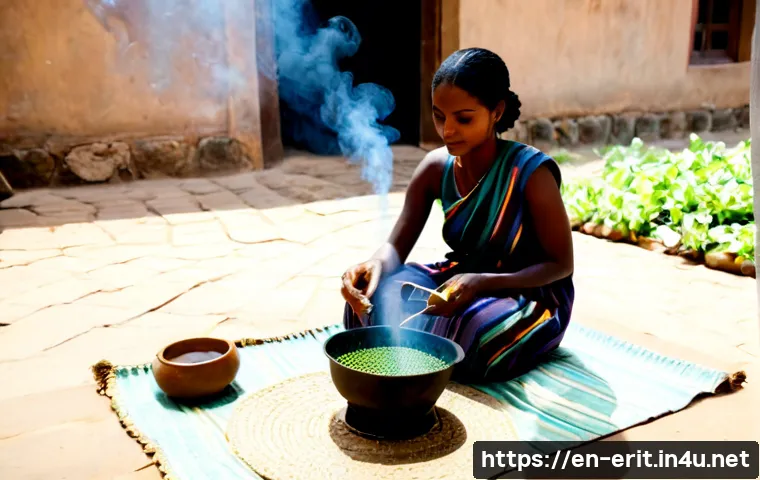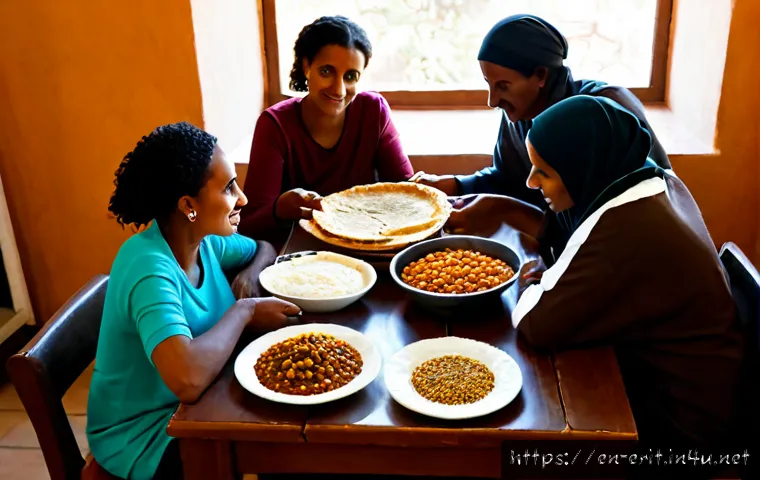
Eritrean eating habits often center on sour fermented flatbread, shared platters, and flavorful stews made with meat, legumes, vegetables, or greens. For a first visit, choose a mixed platter when available, ask about spice and dietary needs, and expect to use flatbread to pick up food.
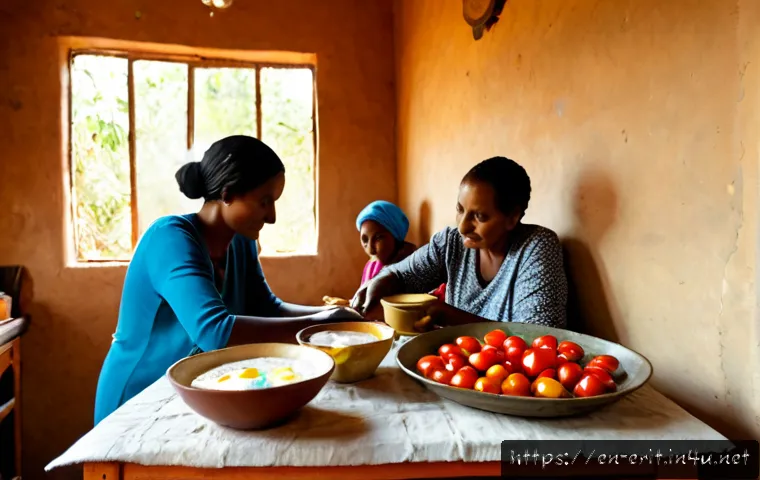
This cuisine can work well for solo diners, families, and groups, but the best choice depends on whether you want a restaurant meal, catering, or ingredients for home cooking.
Menu language may include Tigrinya or Arabic terms, so asking simple questions is completely reasonable. Heat levels, ingredients, and serving styles can differ between households, diaspora communities, and restaurants.
A clear menu and responsive staff are often more useful selection criteria than broad claims about authenticity.
At a Glance
- What is served: Eritrean meals commonly include injera-style fermented flatbread, stews, lentils, chickpeas, greens, vegetables, and salads.
- How meals are shared: Food may be arranged on or alongside flatbread on a shared platter, with diners using pieces of flatbread to pick it up.
- What to ask first: Confirm spice level, meat or plant-based options, allergens, and whether the flatbread suits your gluten needs.
| Dining option | Best for | Main cost factors | What to check before choosing |
|---|---|---|---|
| Eritrean restaurant | A first meal or a small group wanting guidance | Menu choices, platter size, beverages, and service style | Menu descriptions, vegetarian dishes, spice communication, and shared-platter options |
| Catered platter | Gatherings, celebrations, and group meals | Group size, dish selection, delivery or pickup, and advance preparation | Advance-order requirements, dietary labeling, serving setup, and portion guidance |
| Home-cooked meal | Learning ingredients and adjusting flavors personally | Specialty grocery items, spices, grains, legumes, and preparation time | Ingredient availability, substitutions, spice blend labels, and recipe complexity |
What Eritrean Meals Commonly Look Like
Flatbread, stews, legumes, and vegetables at the center of the table
A common Eritrean meal brings several preparations together rather than presenting one item in isolation. Injera, a sour fermented flatbread, is often both the base for the meal and the utensil used to eat it. Stews, lentil dishes, chickpea-based foods, sautéed greens, vegetables, and salads may be placed on or alongside the flatbread.
This format makes it easier to taste several dishes in one sitting. It also means that a menu item described as a platter can be a useful choice when you are unfamiliar with individual dish names. Still, ingredients and recipes vary, so do not assume that every platter contains the same foods.
Why communal serving is part of the dining experience
Shared platters are a familiar serving style in Eritrean dining. They can make a meal feel relaxed and social, especially for families and groups. A shared format also lets diners compare meat, vegetable, and legume dishes without each person ordering a completely separate meal.
If communal dining is new to you, ask whether individual portions are available or whether the restaurant can explain the platter arrangement. Personal comfort matters. Sharing is common, but a considerate restaurant should be able to clarify its serving style.
Everyday meals versus celebratory or guest meals
There is no single Eritrean daily menu that represents every household, region, ethnic community, or diaspora family. Meals may change according to ingredient availability, household preference, religious calendars, and the occasion. Guest meals and group meals may involve more variety, while a home meal may focus on a smaller selection of familiar dishes.
The practical point for diners is simple: treat a restaurant menu as that venue’s offering, not as a complete definition of Eritrean food culture.
Common Foods and Drinks to Know Before You Order
Injera and other staple grain foods
Injera-style flatbread is one of the most recognizable foods associated with Eritrean cuisine. Its fermented, sour character can be new to first-time diners, but it is designed to work with stews and vegetable dishes. Tear off a piece, pinch a portion of food, and eat it together.
Do not assume all flatbreads are gluten-free. Grain choices and restaurant preparation can differ. If you are gluten-sensitive or avoiding gluten, ask directly about ingredients, preparation, and possible cross-contact before ordering.
Meat stews, lentil dishes, greens, and chickpea-based options
Menus may include zigni-style spicy meat stew, lentil stews, chickpea-based dishes, sautéed greens, and vegetable preparations. For a balanced first order, consider combining one stew with one or more legume or vegetable dishes. That approach gives you a clearer sense of the range of textures and flavors.
Tigrinya and Arabic terms may appear on menus. Rather than guessing, ask which dishes contain meat, which are plant-based, and which items are prepared with a milder or stronger spice profile. Clear questions are more reliable than judging a dish only by its name.
Spice blends, heat levels, and coffee traditions
Berbere-style spice blends are widely associated with Eritrean and neighboring Horn of Africa dishes. They can add warmth, depth, and heat, but heat levels vary by household and restaurant. Eritrean food should not be treated as automatically extremely spicy.
Coffee may also be an important hospitality tradition. In some settings, preparation can involve roasting, grinding, and serving coffee in multiple rounds. Restaurant coffee service may not follow the same format as coffee served in a home or community gathering, so ask what is offered if this tradition interests you.
Restaurant, Catering, or Home Cooking: A Practical Comparison
Best choice for a first meal, a family gathering, or cultural exploration
A restaurant is often the easiest starting point for a first meal because staff can explain the menu and suggest a shared platter. Catering can be practical when a group wants a communal meal with less cooking and setup. Home cooking suits people who want to explore specialty grocery ingredients, adjust seasonings, and learn through preparation.
A guided cooking class may also be useful if you want hands-on instruction rather than only a finished meal. Compare the class format, ingredient coverage, and dietary accommodations before deciding whether the added cost fits your goal.
What affects menu prices and catering quotes
Restaurant prices and catering quotes can vary by dish selection, platter size, group size, service format, and advance preparation. Specialty ingredients and custom dietary requests may also affect what a venue can offer. Avoid assuming that a group platter is automatically the lowest-cost option; compare what is included and how the food will be served.
For catering, ask whether the quote covers delivery or pickup, how dishes are labeled, and whether advance ordering is required. These details can matter as much as the menu itself for a group event.
How to assess portion sizes, dietary options, and advance ordering
Ask the restaurant or catering service how it recommends ordering for your group. Confirm whether a platter is intended to be shared and whether extra flatbread is available. For dietary needs, request clear identification of meat, vegetarian, and fasting-friendly dishes rather than relying on a general category.
When shopping at an African grocery store, look for grains, legumes, spice blends, and pantry staples that match the recipe you plan to make. If an ingredient is unavailable, choose substitutions carefully and recognize that the final flavor or texture may change.
Dining Etiquette and Common First-Time Mistakes
Using flatbread to pick up food respectfully
Injera is commonly used to pick up stews and vegetables. Tear off a manageable piece, use it to scoop a small bite, and avoid overfilling it. The goal is not perfect technique; it is eating comfortably while respecting the shared meal format.
A common mistake is treating the flatbread only as a side item. It is often a central part of how the food is served and eaten.
Sharing platters while considering hygiene and personal comfort

With a shared platter, be mindful of where and how you reach for food. Take portions from the area closest to you when possible, and use fresh pieces of flatbread for each bite. If you prefer an individual arrangement, ask politely whether the venue can accommodate it.
Communal service does not mean every diner has identical comfort levels. For a group meal, discussing sharing preferences before ordering can make the experience easier for everyone.
Asking about spice, allergens, gluten, and fasting-friendly dishes
Ask direct questions before ordering: “Which dishes are milder?” “Which are vegetarian or fasting-friendly?” “What is in this stew?” “Is the flatbread made with ingredients that work for my needs?” These are normal restaurant questions, not a challenge to the cuisine.
Allergen controls and cross-contact practices should be confirmed directly with the venue. Religious fasting practices can influence plant-based availability, but offerings may vary by restaurant and date.
Planning for Different Dietary Needs and Occasions
Vegetarian and plant-based meal options
Lentils, chickpeas, greens, vegetables, and salads can make Eritrean cuisine appealing to diners seeking plant-based choices. Religious calendars and fasting practices may influence the availability of these dishes. However, “vegetarian,” “vegan,” and “fasting-friendly” should not be treated as interchangeable labels without confirmation.
Ask which dishes contain animal products and whether the kitchen can identify ingredients clearly. This is especially important when ordering a mixed platter.
Group meals, celebrations, and catered events
A catered Eritrean platter can suit a celebration because shared dishes naturally encourage group dining. Start planning by identifying the number of guests, dietary requirements, desired meat and vegetable balance, and whether the event needs delivery, pickup, or onsite service.
For the smoothest experience, request menu descriptions and dietary labels in advance. Confirm advance-order requirements early, particularly if your group needs a specific mix of vegetarian and meat dishes.
Tips for travelers and diners unfamiliar with communal service
Travelers may find it helpful to start with a restaurant rather than attempting to interpret every menu term alone. Ask for a brief explanation of the shared platter, the spice level, and the best options for your group. If you are interested in coffee traditions, ask whether coffee service is available and what it includes.
Be open to unfamiliar flavors, but do not feel pressured to order beyond your comfort level. A well-chosen mixed meal can provide a useful introduction without requiring you to know every dish in advance.
Choosing an Eritrean Dining Option: Decision Criteria and Comparison Summary
Choose a restaurant if you want menu guidance, a first-time shared platter, or an easy meal for a small group. Check menu clarity, staff communication about dietary needs, spice options, and whether platters offer good group value.
Choose catering if you are planning a gathering and want a communal serving style. Compare group platter prices, vegetarian options, dish labeling, pickup or delivery details, and advance-order requirements.
Choose grocery shopping and home cooking if you want control over ingredients and seasoning. Look for grains, legumes, berbere-style spice blends, and suitable substitutions, then verify package ingredients for your dietary needs.
Choose a cooking class when hands-on cultural learning matters as much as the meal itself. Review the class description for menu focus, ingredient access, and dietary accommodation details. For current menus, catering conditions, or class requirements, check the provider’s official information page directly.
In Closing
Eritrean eating habits are best understood through the combination of flatbread, shared serving, stews, legumes, vegetables, and hospitality. A first-time diner does not need to know every menu term to enjoy the experience. Ask about spice, ingredients, and serving style, then choose an option that matches your group size and comfort level. Small questions before ordering can make a shared meal more enjoyable and more respectful.
Useful Things to Know
Menu language: Tigrinya and Arabic terms may appear on Eritrean menus.
Spice: Berbere-style blends are common, but heat can vary widely.
Coffee: Coffee preparation may be an important hospitality tradition and can involve multiple rounds of serving.
Plant-based choices: Lentils, chickpeas, greens, and vegetables may be especially useful options during fasting periods.
Important Notes
There is no single Eritrean diet, schedule, recipe, or restaurant standard that applies to every household or community. Ingredient availability, meat use, spice intensity, and preparation methods vary by location. Do not make nutrition assumptions based only on a dish name; portion size and preparation method matter. Confirm pricing, allergens, gluten-related questions, dietary labels, and authenticity claims directly with the restaurant, caterer, grocery seller, or class provider.
Frequently Asked Questions
Q1. What should a first-time diner order at an Eritrean restaurant?
A1. A mixed platter can be a practical first choice because it may include several stews, legumes, vegetables, and flatbread in one meal. Ask the staff to identify meat dishes, plant-based dishes, and milder options before ordering.
Q2. Are Eritrean meals usually very spicy, and can restaurants adjust the heat level?
A2. Berbere-style spice blends are widely associated with Eritrean food, but heat levels vary by household and restaurant. Ask whether a specific dish is mild, medium, or hot and whether the venue can guide you toward a less spicy choice.
Q3. Is Eritrean food suitable for vegetarian, vegan, or gluten-sensitive diners?
A3. Lentil, chickpea, green, and vegetable dishes may offer useful plant-based choices, particularly when fasting practices influence the menu. However, ingredients, animal products, flatbread grains, allergens, and cross-contact practices vary. Confirm details directly with the venue before ordering.