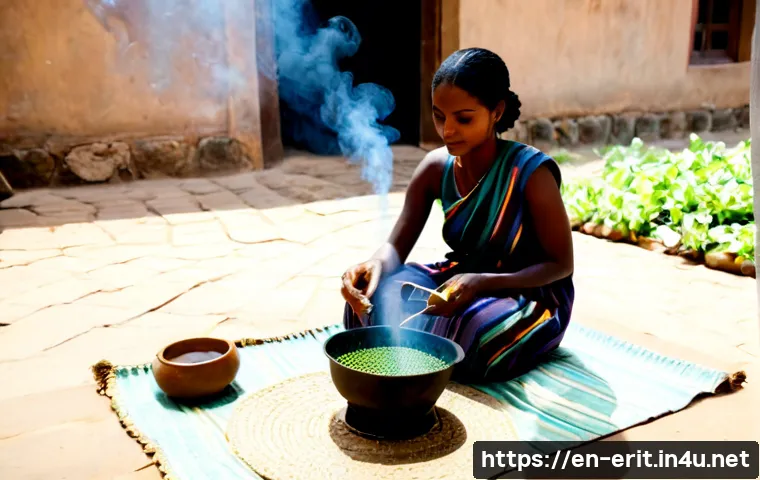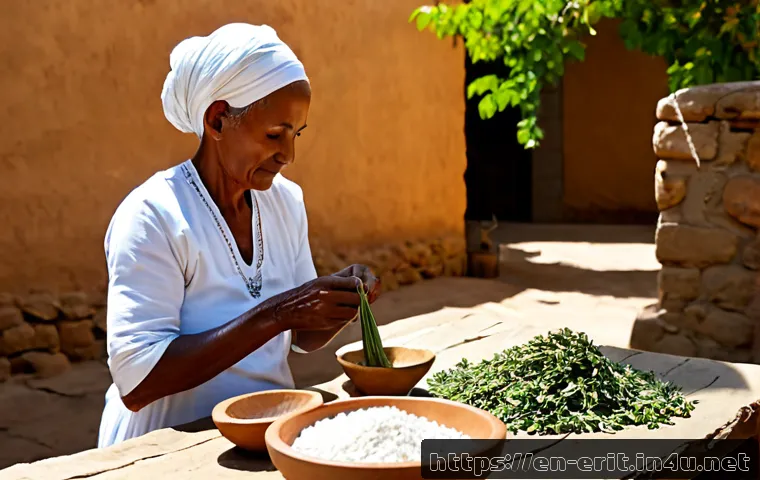
Eritrean traditional healing can carry cultural value, but a remedy should not be assumed safe or medically effective simply because it is natural or familiar.
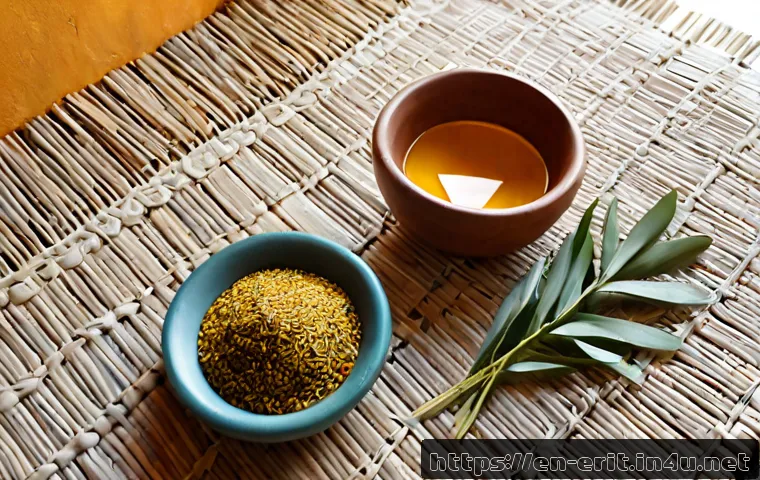
When symptoms are serious, when regular medicines are involved, or when the product details are unclear, a pharmacist, clinician, or travel-health consultation is often the better choice.
Practices vary widely among Eritrean families, regions, and communities, so there is no single standard formula or method. Herbal teas, oils, foods, massage, steam, and community support may all be part of traditional care.
The practical question is not whether tradition matters, but whether the preparation is identifiable, transparent, and suitable for the individual using it.
Comparing labels, seller information, and medication-interaction support can help shoppers make a more careful decision.
At a Glance
- Eritrean traditional healing varies by family, region, language group, and community.
- Natural herbs and topical preparations may still cause side effects, contamination, allergies, or medicine interactions.
- Choose professional health support when symptoms are serious, product details are unclear, or regular medication is involved.
| Option | Main Purpose | Quality Control | Cost Visibility | Health Risk Consideration |
|---|---|---|---|---|
| Home-prepared remedy | Cultural practice or everyday comfort | Often varies by household and preparation method | May be unclear | Higher when ingredients, dose, or plant identity are uncertain |
| Packaged herbal product | Convenient tea, oil, herb, or supplement purchase | Depends on full labeling and seller transparency | Usually easier to compare before purchase | Check ingredients, expiry details, warnings, and interaction information |
| Pharmacist guidance | Medication and product-safety questions | Professional review of known medicines and concerns | Ask about available service options | Especially useful for possible interactions and unclear labels |
| Clinic or travel-health consultation | Serious symptoms, ongoing conditions, or travel planning | Qualified health assessment | Confirm fees and service scope before booking | Best option when delaying care could create greater risk |
What Eritrean Traditional Healing Can Mean in Everyday Life
Why Practices Differ Among Families, Regions, and Communities
Eritrea has diverse ethnic and regional communities. For that reason, Eritrean traditional healing is not one fixed system with one shared list of remedies. A preparation described by one family as a familiar herbal tea may be prepared differently elsewhere. Local plant names, ingredient combinations, intended uses, and amounts can also differ.
Traditional care may include herbal preparations, certain foods, topical applications, massage, steam or smoke practices, and spiritual or community-based support. These practices can have personal, cultural, and family meaning. That meaning should be respected without turning it into an automatic medical claim.
Cultural Knowledge Versus Proven Medical Treatment
Cultural use and evidence-based treatment are not the same thing. A remedy may be valued because it has been shared across generations, yet its effectiveness, dose, purity, and safety may still be unknown without reliable product details or clinical evidence. This is particularly important when a product is sold online, repackaged without a full label, or described only by a local name.
Be cautious with claims that a blend can cure a condition, replace prescribed medicine, or work for everyone. Strong claims are not a substitute for clear ingredients, preparation instructions, expiry information, or qualified advice.
The Short Answer: Respect Tradition, Verify Safety, Do Not Delay Necessary Care
A reasonable approach is simple: respect cultural knowledge, ask clear safety questions, and do not rely only on home remedies for serious symptoms. If the concern is persistent, severe, rapidly worsening, or otherwise worrying, seek assessment from a qualified health professional.
Comparing Home Remedies, Packaged Herbs, and Professional Health Support
When a Pharmacist or Clinician Adds More Value Than a Retail Product
A retail herbal product may be convenient, but convenience is not the same as suitability. A pharmacist can be especially helpful when a person takes regular medication or is unsure whether an herb, tea, oil, or supplement could create an interaction. A clinician may be more appropriate when symptoms need assessment rather than symptom management.
This added support matters for people using medicines for diabetes, blood pressure, blood thinning, seizures, or mental health. The safety of a specific remedy alongside these medicines cannot be assumed. Medication-interaction support can be more valuable than choosing a product based on packaging or familiarity alone.
Questions to Ask Before Paying for Herbal Blends or Consultations
Before purchasing an herbal blend or booking a traditional consultation, ask practical questions. What are all the ingredients? Is the plant identified clearly? Who prepared or supplied it? Are there instructions for use and expiry information? Is the seller transparent about what the product is and is not intended to do?
Also ask whether there is clear guidance for people taking prescription medicines. If the answer is vague, the mixture is undisclosed, or a seller discourages medical care, that is a reason to pause and seek independent advice.
Common Safety Issues With Herbal and Traditional Preparations
Identification Errors, Unclear Ingredients, and Contamination
A plant name used locally may not match the scientific species offered by a retailer. This creates a basic identification problem: a buyer may believe they are purchasing one herb while receiving another. Products without a full ingredient list also make it difficult to evaluate allergies, possible interactions, or preparation risks.
Unclear mixtures deserve extra caution. A tea, powder, oil, or topical product may contain multiple ingredients, and the consumer may not know the amount of each one. Contamination is another concern with natural products, particularly when sourcing, handling, storage, and packaging information are unavailable.
Medication Interactions and Higher-Risk Health Conditions
Natural products can cause side effects and allergic reactions. They can also interact with prescription medicines. Extra caution is important for pregnant or breastfeeding people, children, older adults, and people with chronic conditions.
If someone is managing a long-term health condition, it is safer to discuss traditional remedies with a pharmacist or clinician before use. Do not assume that a product is low risk because it is plant-based, homemade, or widely used in a community.
Warning Signs That Need Urgent Medical Attention
Serious symptoms should be assessed by a qualified health professional rather than managed only with home remedies. If a person’s condition feels severe, worsens quickly, or raises immediate concern, prioritize urgent medical care. Cultural remedies may still be meaningful as supportive practices, but they should not delay needed evaluation.
A Practical Process for Evaluating a Remedy
Check the Full Ingredient List, Source, Preparation Instructions, and Expiry Information
Start with the label. Look for a full ingredient list, a clearly identified source, preparation instructions, and expiry information. For packaged teas, oils, supplements, and dried herbs, transparent labeling makes comparison easier and reduces uncertainty.
If the product is sold loose, relabeled, or without reliable details, it may be impossible to confirm what it contains. In that situation, choosing not to use it can be the more cautious decision.
Avoid Exaggerated Cure Claims and Undisclosed Mixtures
Be wary of claims that promise guaranteed results or suggest that professional medical care is unnecessary. A responsible seller should not need to hide ingredients or make broad cure claims. Transparency matters more than persuasive wording.
For cultural or wellness use, choose products only when you can understand what is being offered. If the intended use is unclear, the mixture is undisclosed, or safety questions cannot be answered, consider a pharmacist consultation instead.
Discuss Use With a Pharmacist When Taking Regular Medication
A pharmacist can help review a product label alongside regular medicines. Bring the product package, ingredient list, or a clear photo of the label if possible. This is more useful than relying on general online comments or unverified seller advice.
Guidance for Travelers, Families Abroad, and Wellness Shoppers
Bringing Plant Products Across Borders: Check Local Import and Health Rules First
Travelers should check local import and health rules before carrying herbs, dried plants, oils, or other traditional preparations across borders. Rules can differ by destination and product type. Do not assume that a product commonly used at home can be brought into another country without restrictions.
Choosing Products for Cultural Use Without Assuming Therapeutic Effectiveness
Some shoppers want a tea, oil, food ingredient, or fragrant preparation for cultural connection rather than treatment. That can be a reasonable distinction. Choose based on clear labeling, storage details, and seller transparency, while avoiding unsupported assumptions about therapeutic effects.
Safer Options for People Managing Long-Term Conditions
People with chronic conditions should place safety ahead of novelty or convenience. A pharmacist, clinician, or travel-health service can help identify whether professional advice is needed before using a traditional herbal product. This is especially relevant when several medicines are already being taken.
Selection Criteria and Comparison Summary
Before using, buying, or recommending an Eritrean traditional remedy, check these points:
- Identity: Is every ingredient clearly listed and identifiable?
- Transparency: Does the seller explain sourcing, preparation, storage, and expiry information?
- Intended use: Is it being used for cultural comfort, or as a substitute for needed medical assessment?
- Individual risk: Is the user pregnant, breastfeeding, a child, an older adult, or managing a chronic condition?
- Medication support: Can a pharmacist review possible interactions with regular medicines?
- Care access: Would a clinic or travel-health consultation be safer than delayed treatment?
Lower-cost home care may be reasonable for familiar cultural practices when the ingredients and personal risks are understood. It can become costly when unclear products or delayed treatment create avoidable problems. Compare ingredient labels, seller transparency, and medication-interaction support before choosing a herbal product or consultation. Official guidance and service details should be checked on the relevant provider page.
Conclusion
Eritrean traditional healing reflects diverse community knowledge and personal traditions. It should not be treated as one standardized medical system, and no specific remedy can be judged safe or effective without reliable details. Clear labeling, careful sourcing, and realistic expectations are useful starting points. When symptoms are serious or regular medication is involved, professional health advice is the safer investment.
Useful Information to Keep in Mind
1. “Natural” does not automatically mean safe.
2. A local plant name may not identify the same species sold by a retailer.
3. Packaged products are easier to compare when labels include ingredients, instructions, and expiry information.
4. Pharmacists can be a practical first point of contact for medicine-interaction questions.
Important Notes
This information provides general cultural and safety context, not a diagnosis or a recommendation for a specific remedy. The safety, purity, dose, effectiveness, licensing, training, and quality-control standards connected to an individual product, seller, or practitioner require separate verification. Serious symptoms should be assessed by a qualified health professional.
Frequently Asked Questions
Q1. Are Eritrean traditional remedies safe to use?
A1. Safety depends on the exact ingredients, preparation, dose, product quality, and the person using it. Natural products can cause side effects, allergic reactions, contamination, or interactions with prescription medicines. Extra caution is needed for pregnant or breastfeeding people, children, older adults, and people with chronic conditions.
Q2. How can I choose a reputable Eritrean herbal product or seller?
A2. Look for a full ingredient list, clear source information, preparation instructions, expiry details, and transparent intended-use information. Avoid undisclosed mixtures and exaggerated cure claims. If you take regular medicines, ask a pharmacist to review the product information.
Q3. Should I use a traditional remedy instead of seeing a doctor or pharmacist?
A3. Traditional remedies should not replace qualified care for serious symptoms or situations where medical assessment is needed. A pharmacist can help with questions about medicines and product interactions, while a clinician or travel-health service may be more appropriate for ongoing concerns, serious symptoms, or travel-related health planning.