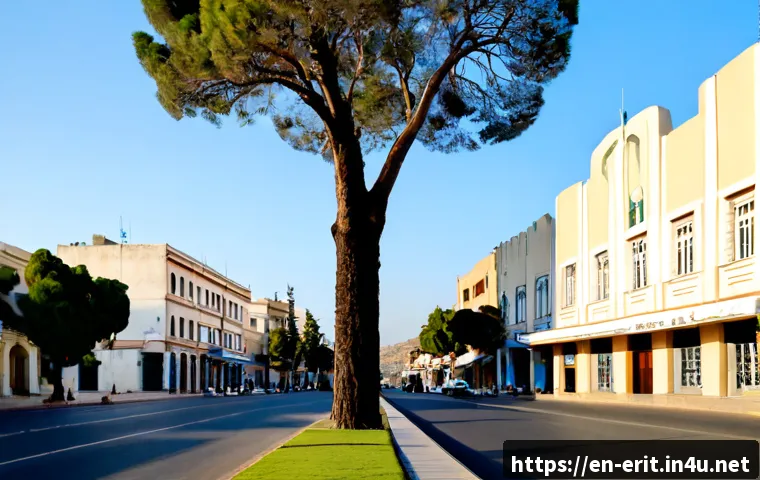
Eritrea has one UNESCO World Heritage property: Asmara: A Modernist City of Africa, inscribed as a cultural property in 2017. It is best visited as a living urban architecture destination, not as a single monument with guaranteed interior access.
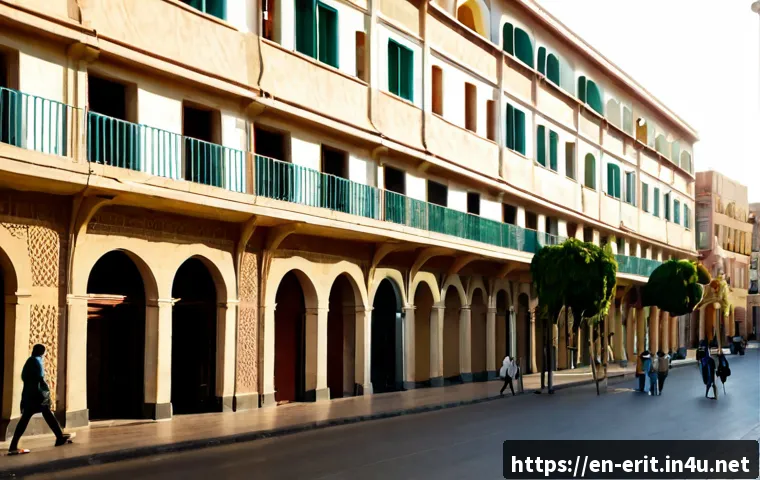
Travelers deciding between independent exploration, a private guide, or a cultural tour should compare architectural expertise, transport planning, accommodation location, and booking terms.
A guide can add useful context for visitors interested in twentieth-century planning and Italian colonial-era modernism. However, current entry rules, local arrangements, photography permissions, and building access must be confirmed through official and local sources before travel.
At a Glance
- Asmara: A Modernist City of Africa is Eritrea’s only listed UNESCO World Heritage property.
- It was inscribed in 2017 as a cultural property under criteria (ii) and (iv).
- The experience centers on streets, public buildings, cinemas, apartment blocks, and infrastructure within an active city.
| Visit style | Best for | Costs to compare | Planning trade-off |
|---|---|---|---|
| Self-guided walk | Independent travelers with time and confidence navigating on their own | Accommodation location, local transport, maps, contingency time | Flexible, but architectural context and access information may be limited |
| Private guide | Architecture enthusiasts, photographers, and travelers with a short schedule | Guide credentials, language ability, duration, transport, cancellation terms | More tailored interpretation, but qualifications and availability can vary |
| Small-group cultural tour | Visitors who prefer logistics arranged with a shared itinerary | Inclusions, hotel location, transport, group size, free time | Convenient, though the pace and architecture focus may be less flexible |
Eritrea’s Listed Heritage Place at a Glance
The Short Answer for Travelers
For travelers researching UNESCO World Heritage in Eritrea, the answer is straightforward: Asmara is the country’s sole listed property. The World Heritage listing is not limited to one famous façade or a museum-style complex. Instead, it recognizes a broad modernist urban landscape that can be understood through the city’s planned streets and everyday built environment.
This makes trip planning different from booking a visit to an isolated archaeological site. Your accommodation location, walking time, local transport options, and access expectations all matter. A heritage-focused itinerary works best when it leaves room to observe the city rather than treating Asmara as a quick photo stop.
Why Asmara Received World Heritage Recognition
Asmara was inscribed on the World Heritage List in 2017 as a cultural property. Its recognition relates to urban planning and modernist architectural heritage from the Italian colonial period. UNESCO lists the property under criteria (ii) and (iv), reflecting its importance in the history of twentieth-century urbanism.
The value is found in the relationship between different parts of the city: public buildings, cinemas, apartment blocks, streets, and infrastructure. For visitors, that means looking beyond a checklist of landmark names. The setting, street pattern, and everyday city activity are part of what makes the place meaningful.
What Visitors Can Realistically Expect to See
Expect an active city with historic urban character, rather than an open-air museum with universal access. You may see planned streets, civic architecture, residential blocks, and buildings connected to modernist design. Do not assume that every historic building is open, that interiors can be entered, or that photography is allowed everywhere.
A good travel plan separates what can be appreciated from public space from what may require permission, a guide, or advance confirmation. This approach helps avoid disappointment while supporting a more respectful visit.
Understanding Asmara’s Modernist Urban Landscape
City Planning, Public Buildings, and Everyday Architecture
Asmara’s heritage value is urban in scale. A visitor may notice the layout of streets as much as individual structures. Public buildings and cinemas can provide visual focal points, while apartment blocks and infrastructure show how modernist ideas became part of daily city life.
For architecture travelers, a slower walking route can be more rewarding than trying to cover every district quickly. Build time for looking at proportions, streetscapes, building relationships, and details visible from public areas. A guide with relevant architectural knowledge may help connect these observations to the wider history of the city.
Why the Heritage Value Extends Beyond a Single Landmark
Many World Heritage visits are organized around one principal monument. Asmara is different. Its designation concerns a coherent urban landscape, where planning, architecture, and infrastructure should be considered together.
This is why a well-designed cultural tour should explain its route, not simply promise “UNESCO sightseeing.” Ask whether the itinerary includes time for streetscapes and neighborhood context, or whether it only offers brief exterior stops. The answer can help you judge whether the tour matches your interests.
Viewing Historic Places Respectfully in a Living City
Asmara is a functioning city. Residents, workers, traffic, and ordinary routines are part of the setting. Keep entrances clear, avoid treating homes or workplaces as display objects, and follow local direction around photography and access.
Preservation-minded travel is practical as well as polite. Do not enter restricted areas, climb on features, or assume that an older building is vacant. If a local guide or property representative gives an instruction, follow it. Respectful behavior protects both the travel experience and the cultural environment.
Self-Guided Visit, Private Guide, or Cultural Tour?
Comparison: Time, Context, Flexibility, and Costs to Evaluate
A self-guided visit offers maximum freedom. It can suit travelers who want to walk slowly, pause for exterior views, and arrange their own hotel and local transport. The challenge is that accurate context, route design, language support, and access expectations may require more independent research.
A private guide can be a stronger choice when your time is limited or when modernist architecture is the main purpose of the trip. Before paying more for a private service, confirm whether the guide can discuss urban planning and architectural heritage in the language you need. “City tour” and “architecture-focused tour” are not necessarily the same product.
A small-group cultural tour may simplify transport and scheduling. It can be useful for travelers who prefer a planned day, but compare the group size, amount of walking, free time, and whether accommodation pickup is included. A convenient package is only worthwhile if its pace fits your priorities.
When an Architecture-Focused Guide May Be Worth the Extra Expense
A specialist guide may add value if you want more than surface-level sightseeing. The right person can help explain why city planning matters, distinguish broader streetscape value from a single building stop, and set realistic expectations about public access.
It may also be helpful if you have limited time or need assistance coordinating a driver, meeting point, or practical route. Still, do not assume English-language availability or specific credentials. Ask directly about relevant experience, language comfort, route length, and whether the guide provides commentary focused on modernist heritage.
Questions to Ask Before Reserving a Tour or Driver
- Is the itinerary focused on architecture and urban heritage, or is it a general city overview?
- What transport is included, and how much of the route is walked?
- What is the guide’s experience with Asmara’s modernist urban landscape?
- Are building interiors, museum access, or photography permissions included, or simply subject to local conditions?
- What are the cancellation terms if travel arrangements change?
- Where does the tour begin, and is the meeting point practical from your hotel?
Practical Planning and Common Travel Mistakes
Confirming Entry, Documentation, and Local Travel Arrangements

Do not rely on old travel articles for entry procedures or flight planning. Visa requirements, entry rules, flight availability, local security conditions, and transport schedules can change. Check current official travel information and confirm details with local providers before committing to flights, hotels, or a regional travel package.
It is also wise to ask a provider what is actually confirmed versus what remains dependent on local arrangements. This is particularly important when comparing a fully organized cultural trip with separate hotel, guide, and transport bookings.
Building an Itinerary Around Walking Time and Local Transport
Because the World Heritage experience is urban, walking time should be treated as part of the itinerary rather than wasted time between attractions. Choose accommodation with location in mind, especially if you want early or late opportunities to observe streets and building exteriors.
Leave contingency time between planned activities. A tightly packed schedule can turn a heritage visit into a series of rushed stops. If booking a driver, clarify waiting time, route flexibility, and whether the service is intended for point-to-point transport or for a heritage-focused day.
Photography, Permissions, and Preservation-Minded Behavior
Photography rules and permission requirements may differ by location and can change. Ask before photographing interiors, official buildings, private spaces, or people. If you are planning photography as a major part of your visit, confirm current restrictions before booking a dedicated photo or architecture tour.
Respect also means avoiding assumptions. Historic does not automatically mean publicly accessible, and visually interesting does not automatically mean available for commercial photography. A careful approach helps preserve trust in a living city.
Visit Planning by Traveler Type
For Architecture and Design Enthusiasts
Prioritize time, route quality, and guide knowledge over a long list of stops. Consider a private guide or a tailored cultural tour if you want informed discussion of planning, public buildings, cinemas, apartment blocks, and infrastructure. Compare guide expertise and itinerary depth before comparing only the headline price.
For First-Time Visitors with Limited Time
A compact city orientation with transport support may be the most practical choice. Look for a clear meeting arrangement, an understandable walking level, and enough flexibility to pause at significant streetscapes. A hotel location that reduces unnecessary travel can be as valuable as adding another paid activity.
For Travelers Combining Culture, History, and Local City Life
Choose a balanced itinerary. The World Heritage property can be a central cultural focus, but it is also part of everyday Asmara. A small-group tour or independent walk may suit travelers who want a broader city experience, provided they remain realistic about access and current local conditions.
Selection Criteria and Booking Comparison Summary
Before committing to a guide, hotel, driver, or cultural travel package, compare these decision points:
- Guide expertise: Is the service genuinely architecture-focused, and can the guide provide the language support you need?
- Accommodation location: Does the hotel make walking-based exploration more practical?
- Transport plan: Are transfers, waiting time, and route flexibility clearly described?
- Budget categories: Review flights, accommodation, local transport, guide fees, and contingency time rather than relying on one package figure.
- Terms and access: Check cancellation conditions and avoid assumptions about interiors, museums, or photography permissions.
Compare guide credentials, cancellation terms, transport, and hotel location before booking. For current conditions and detailed inclusions, review the relevant official guidance and provider pages directly.
Final Thoughts
Asmara offers a distinctive UNESCO experience because its significance lies in an entire modernist cityscape. The strongest visit is usually one that allows time to walk, observe, and understand the relationship between streets, buildings, and daily life. Choose your travel arrangement according to the depth of context you want and the level of logistical support you need. Above all, confirm current requirements and access expectations before departure.
Useful Things to Know
One listed property: Eritrea’s UNESCO World Heritage listing is Asmara: A Modernist City of Africa.
Urban, not isolated: The heritage experience includes planned streets, public buildings, cinemas, apartment blocks, and infrastructure.
Plan beyond the tour fee: Flights, hotel choice, local transport, and time flexibility all affect the practical cost of the visit.
Important Notes
Current visa rules, entry procedures, flights, security conditions, transport schedules, hotel rates, tour pricing, access arrangements, and photography rules must be checked before travel. Availability and qualifications of English-speaking architecture guides can vary by season and provider. Do not assume that historic buildings are open to visitors or that interior entry is included with a city tour.
Frequently Asked Questions
Q1. What is Eritrea’s UNESCO World Heritage Site?
A1. Eritrea has one UNESCO World Heritage property: Asmara: A Modernist City of Africa. It was inscribed in 2017 as a cultural property and is recognized for its urban planning and modernist architectural heritage from the Italian colonial period.
Q2. Is a guide worth booking for an architecture-focused visit to Asmara?
A2. A guide may be worthwhile if you want deeper architectural context, have limited time, need language support, or want help planning a route. Compare the guide’s relevant experience, language ability, itinerary, transport arrangements, and cancellation terms before booking.
Q3. What costs should travelers compare when planning a cultural trip to Asmara?
A3. Compare flights, accommodation, local transport, guide or tour fees, and contingency time. Also check what a service actually includes, since museum access, building entry, photography permissions, and transport details should not be assumed.